El Jardin
Posted on October 1, 2011

We’re beginning hot season, a joke compared with Arizona and Sudan, and I’m still sleeping with a wool blanket at night. I’ve still been working with my garden and every day it is looking better and better but the health of the garden is in relation to the amount of water I’ve been having to draw. Currently I’m drawing 80 to 100 liters of day for myself and the garden. The majority is for the garden, since to shower, what I drink and to clean the dishes in one day is less than 10 liters. It is a draw of 50 liters a time, twice a day. I’ve been using the bicycle and strapping a container to the back and walking it. Sometimes I carry it on my head (it just really is easier) but to the Amamas amusement I’ve dropped it twice and once on my thigh. Regardless it is a lot of work just to water much less composting, aerating, etc. But it provides me with a tangible results of my work.
I know when I return to America I’ll be gardening since I’ll have a hose . . . it will just make it so much easier.
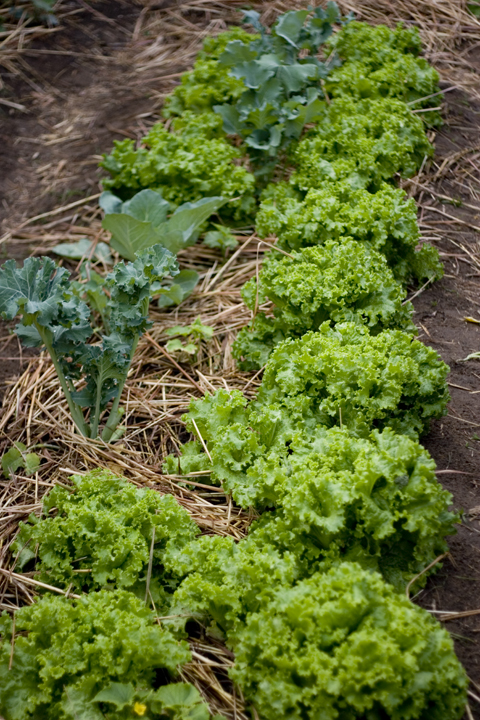
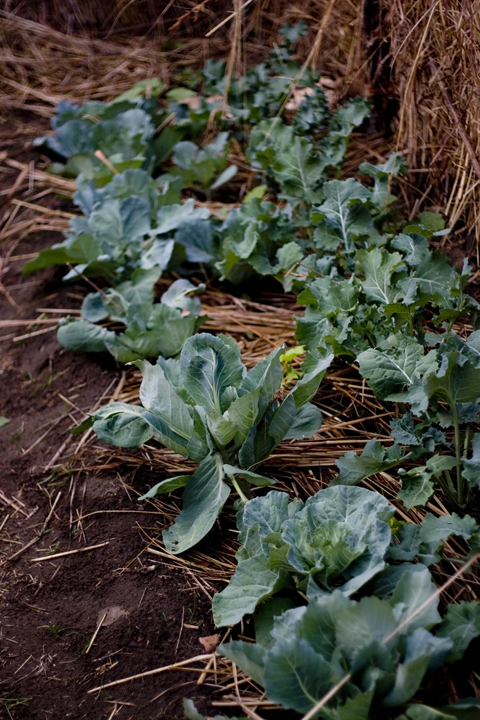
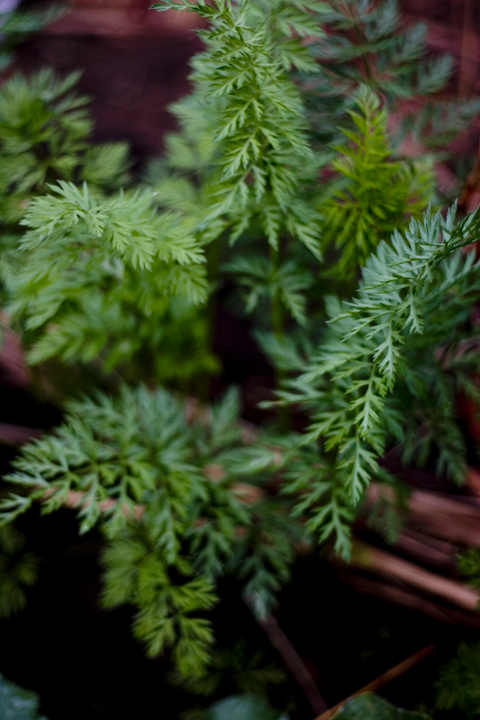
I’ve been growing a row of lettuce, which recently began to go to seed, a row of cabbage and kale for the leafy greens. The canteloupe and cucumbers, pictured first, are developing really well. For seasonings I have cilantro and basil, one small rosemary but the rosemary and parsley never seemed to get very far. There are a few carrots and onions, tomatoes and scattered pumpkins. I transplanted some small celery and green peppers but they’re struggling. A lot of what I’m doing is with advice and guidance from my neighbors and other volunteers so in some cases it’s a good way to do something, sometimes it’s an ineffective way.



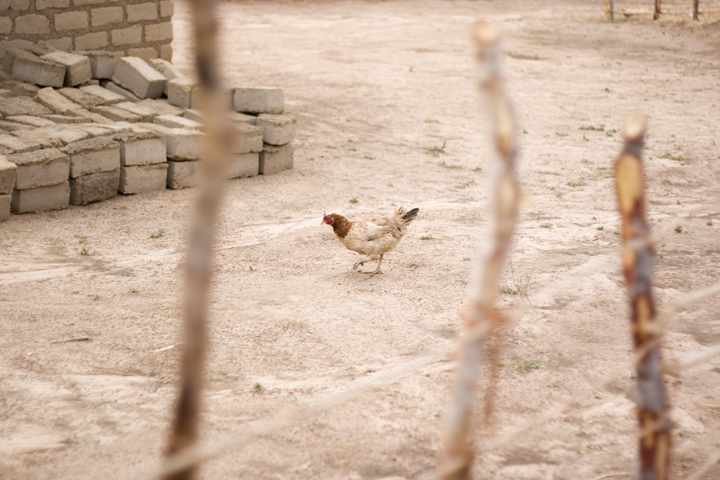
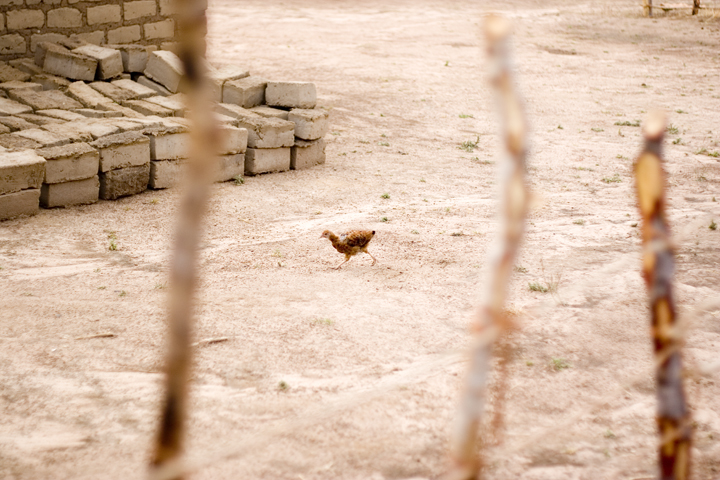
I’m also working on building a chicken house for Heather, pictured below, and her one chick (remaining out of 7 hatched and 14 laid) Caeser. Vanessa is sitting on six eggs . . . trying to finish the house and outdoor area for the chickens so I can keep the new chicks there when they hatch.
Life in Samuteba
Posted on August 25, 2011
I just returned to Solwezi, our provincial capital, after a two and a half week conference in Lusaka. While it was refreshing to see all the familiar faces from training, it also felt like a sensory overload to be in Lusaka. I went to have Indian, Thai, Ethiopian food and paid more for one meal than I spend in one month in my village. I’m glad to be on my way back to my village though and ready to get back to work. At least the time allowed me to edit some of the photos that I had on my 5D camera before it broke completely.
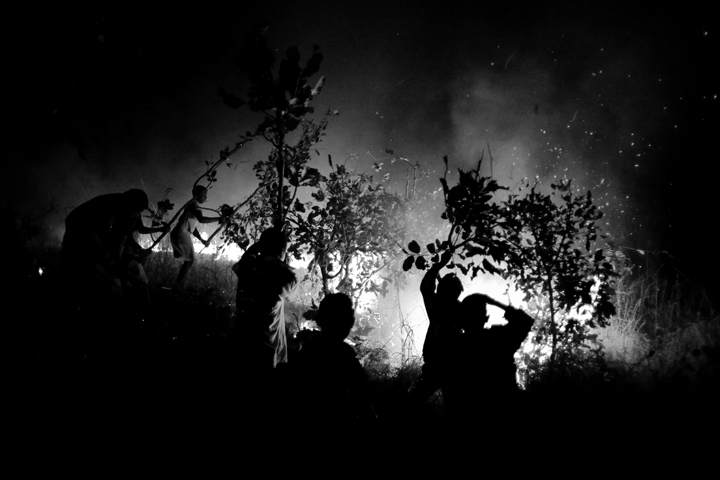
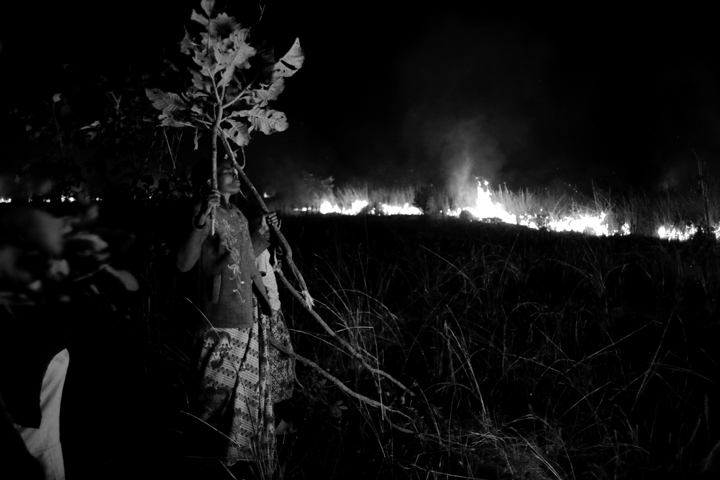
The neighboring children in my area try to put out the flames of a fire headed for my chimbushi, or pit latrine. Burning during cold season and tweluka (lack of relish) season because the children can come the next day and dig the field mice out of the ground to eat. It is also just accepted as part of what happens during this season, each time I ask someone in the village they respond with different reasons for the burning so I can’t say it is just the field mice. The main problem is that when children set the fires, they often burn out of control (like this one) and many fields, banana trees, and even houses can burn to the ground. Worse is that everyone has an idea of who set the fire, but no one would tell you anyway.
Dry season also allows for time to build and the biggest activity of the season, aside from harvesting, is brick building and home construction. Here my community is starting to mold bricks for one of our new school blocks. The men tend to delegate themselves the task of mixing the mud with water and placing it in the brick molds. Women carry the water, which sounds easy, but when you are talking about carrying a 20-30L (weighing well above fifty pounds) container on your head for 500 meters they may have the harder job.


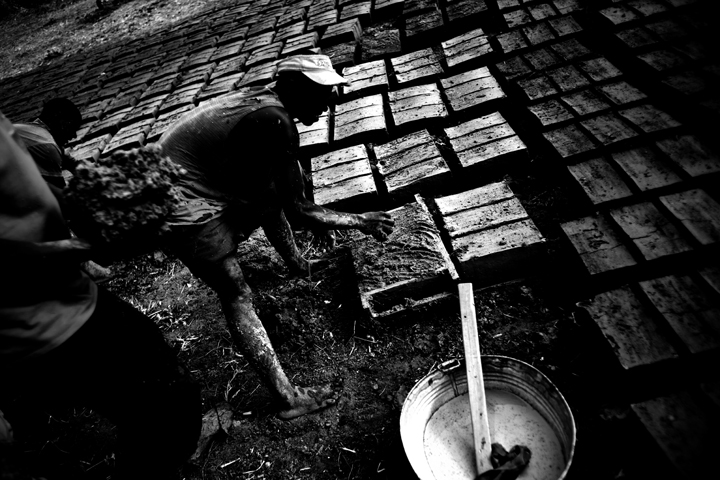

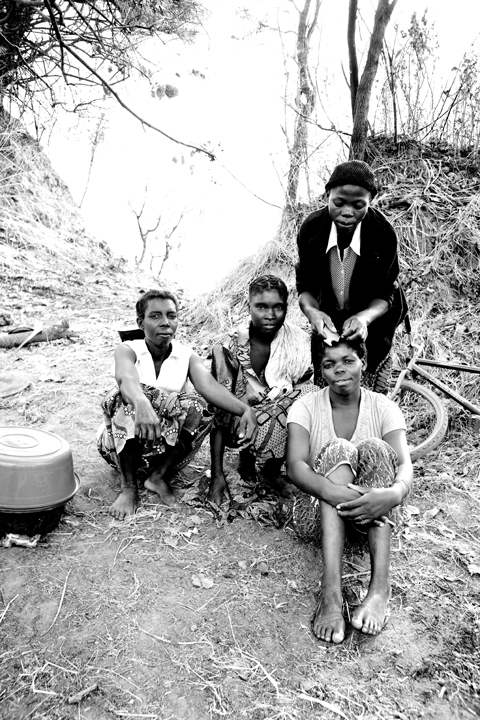
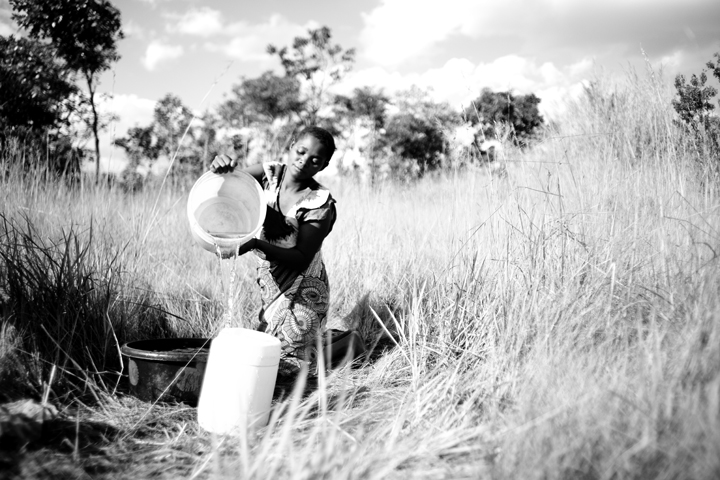
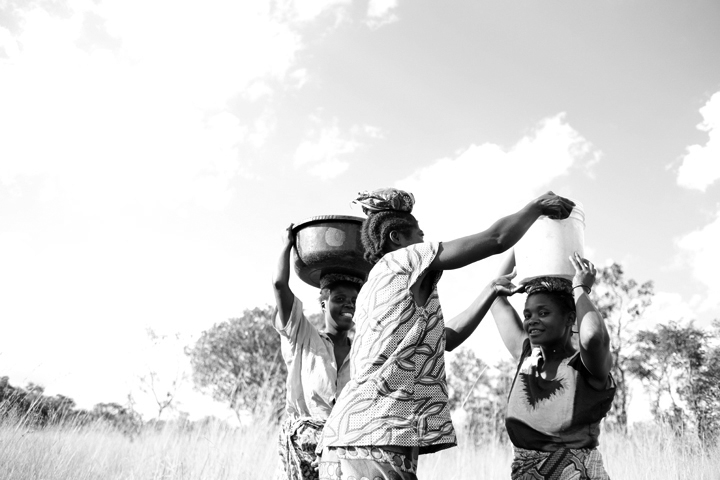
I had some school children mold me bricks as well, I’m going to build a small chicken shelter to house my hens. Unfortunately they’ve been living in my small house in the kitchen . . . I even created a chicken door for them to come in and out but it is clearly a bad idea to continue living with them in the house. The small chota pictured below is also my kitchen area. It looks as if the area has been cleared of all trees, and it has, but only 300 meters away you can be in bush and a few kilometers and you’re in beautiful, tall forested areas. Although I don’t know if that will last my whole service with the rate people clear trees here.
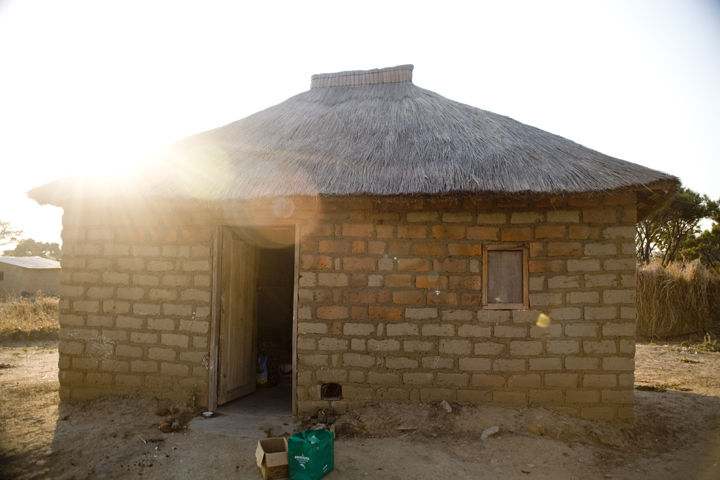
This is my little house, you can note the small chicken/cat door on the right
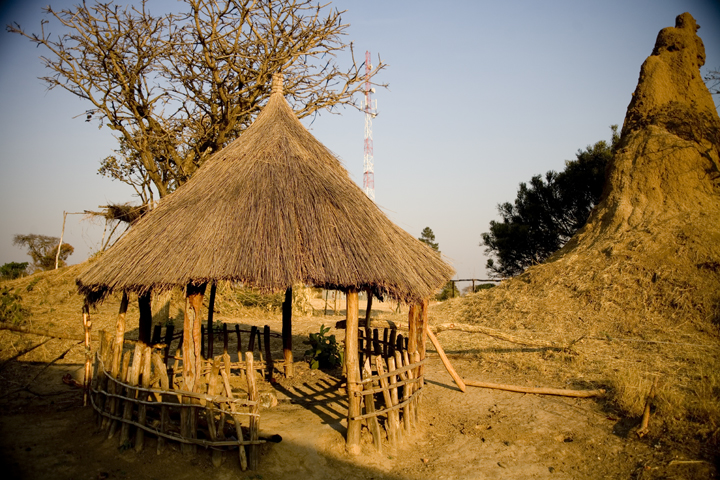
My chota, or kitchen hut, which the goats like to rest in. My mother sent me paintballs and a slingshot so I'm working on keeping them away.

My pride and joy, this is the nursery bed in my garden. I can't wait to see a tangible proof of my labors in the village.
I think I’ll be using the film camera for a while, until I organize a new digital. Somehow I think the film camera makes more sense in the village. People won’t stop what they’re doing to jump and look at the back of a film camera.
Philly Staging
Posted on February 1, 2011

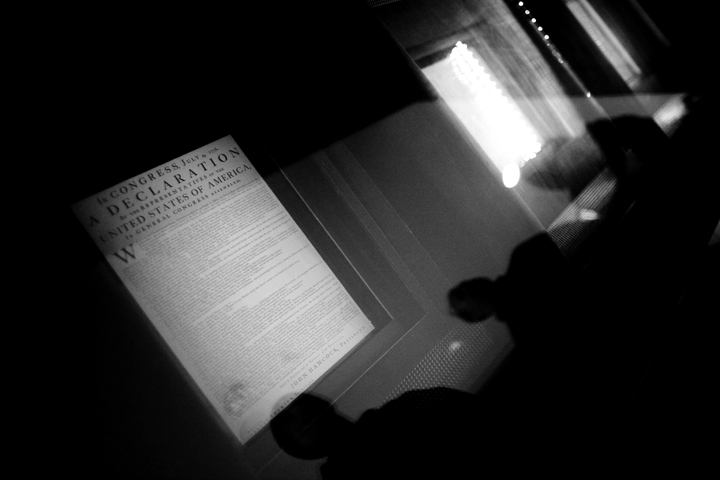
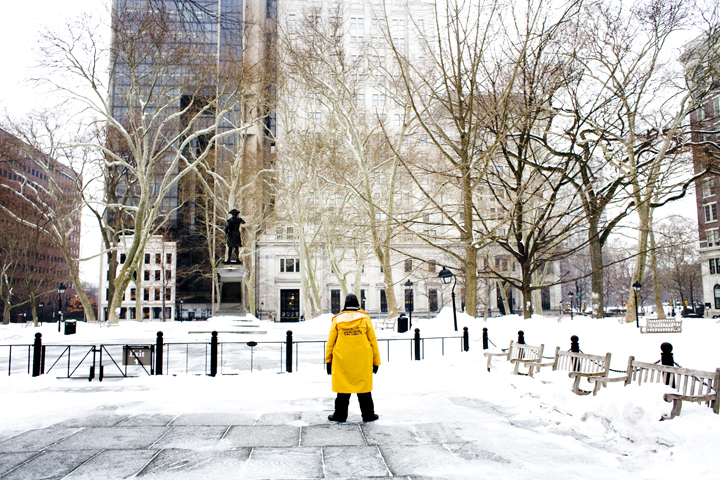
We arrived in Philly, to snow and ice everywhere. Took a tour around and saw the famous liberty bell along with Independence Hall and saw a copy of the Constitution there as well. Overall it was a nice and snowy day . . .
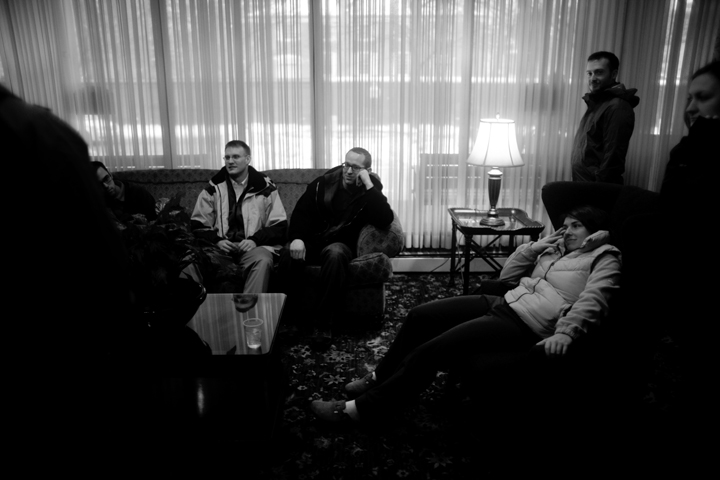
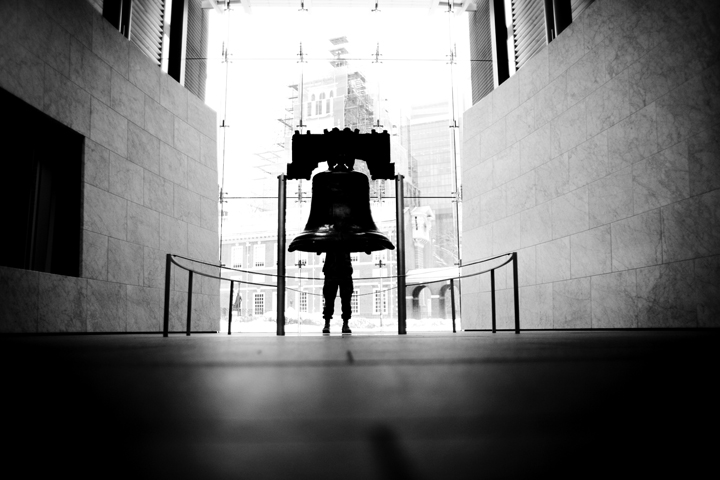
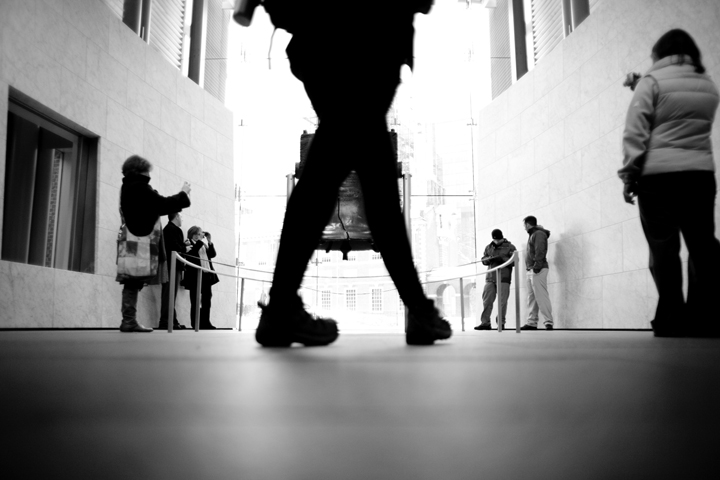
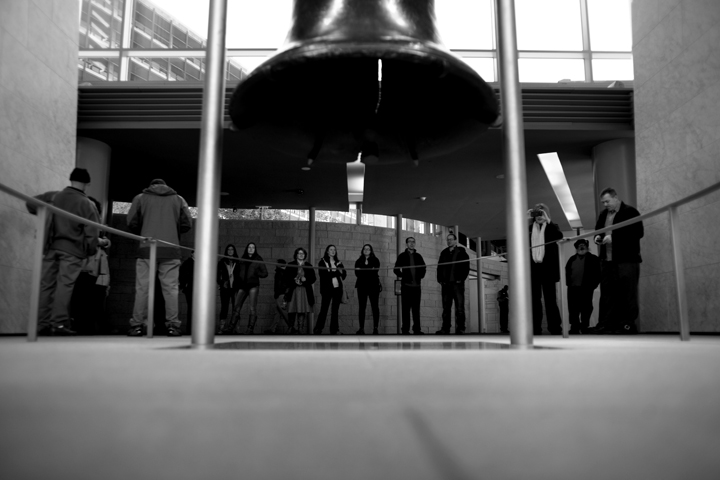
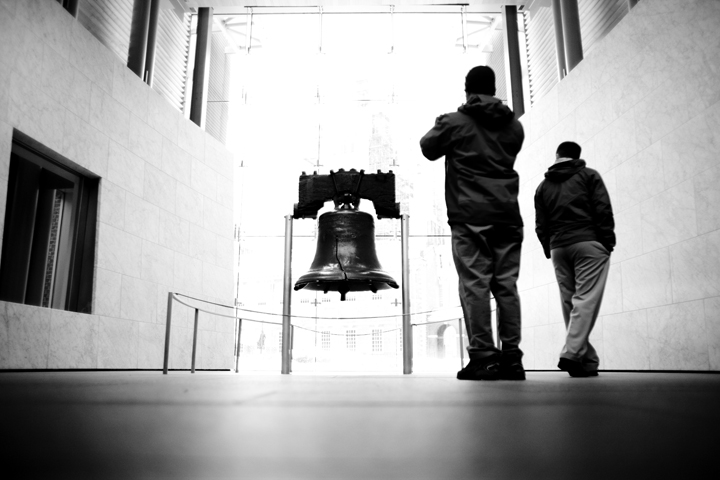
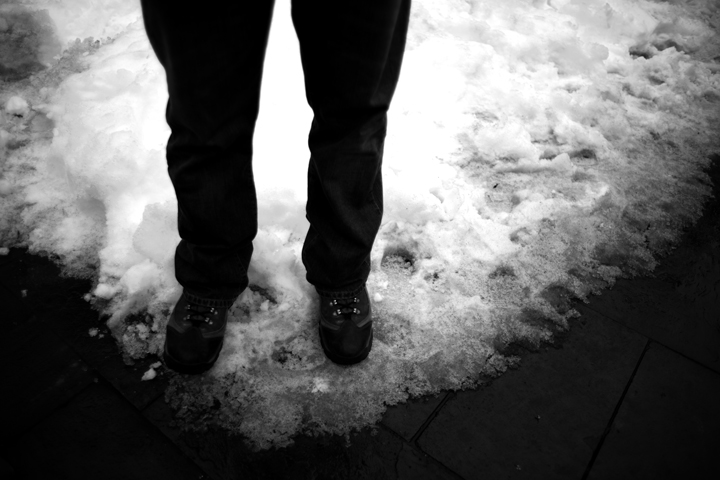
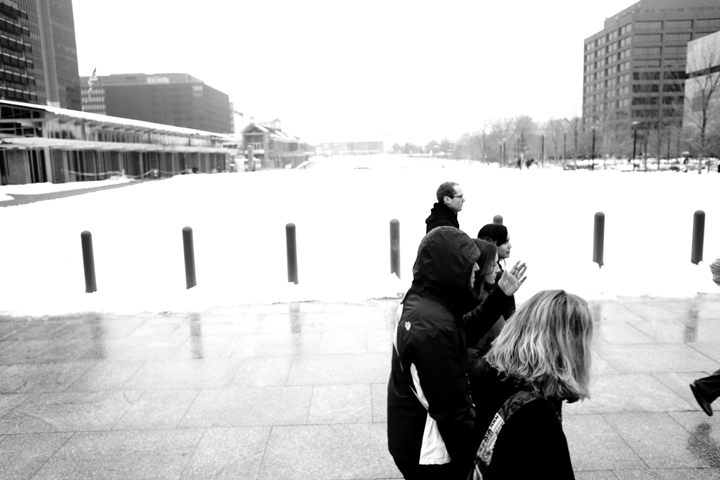
And this one I just loved in color:
Drawings
Posted on January 18, 2011
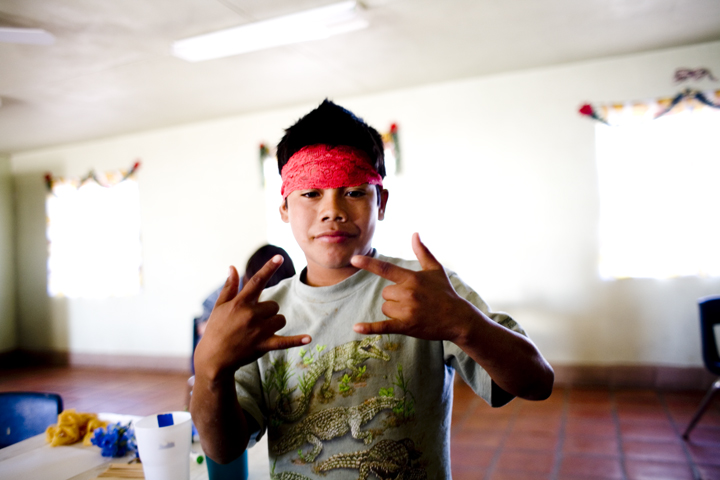
This past weekend I went to Casa de Elizabeth along with my sister Laura to say hi to some of the children. I visited them for three days before leaving for Sudan in December of 2009 and after only a year the kids seem to have grown so much. Some of them I’ve been seeing since July of 2006 . . .

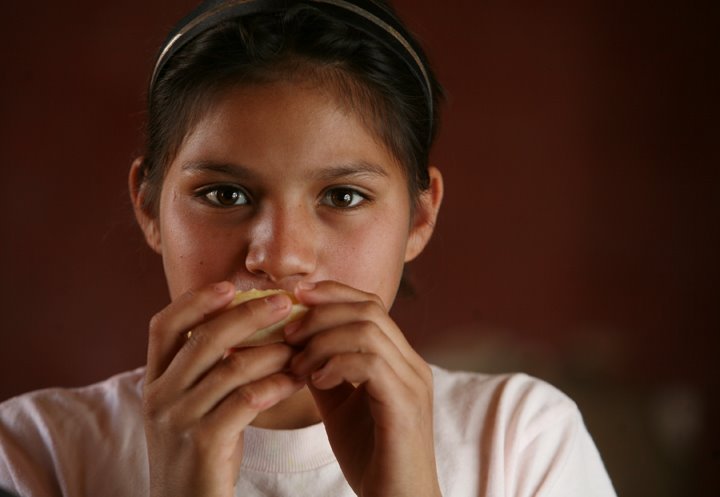
Natan, in the center, was an infant in 2006 and now he talks and plays and rides bikes . . . Diana, who is holding him in her lap, is in the photo below shot in 2008:
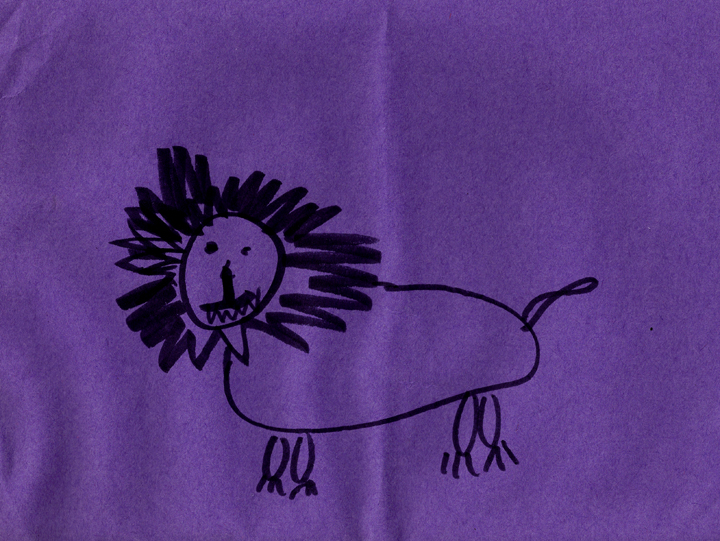
And when we all drew together Natan made this:

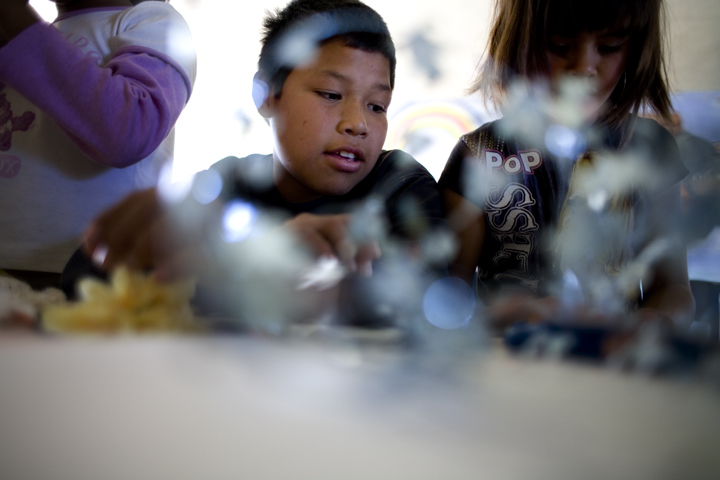
This guy and I drew a ship in a storm . . . sharks were my idea, pirates his:
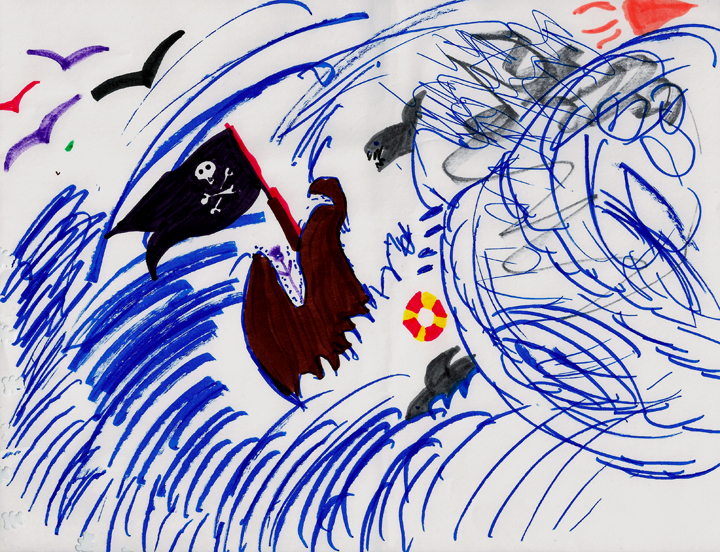
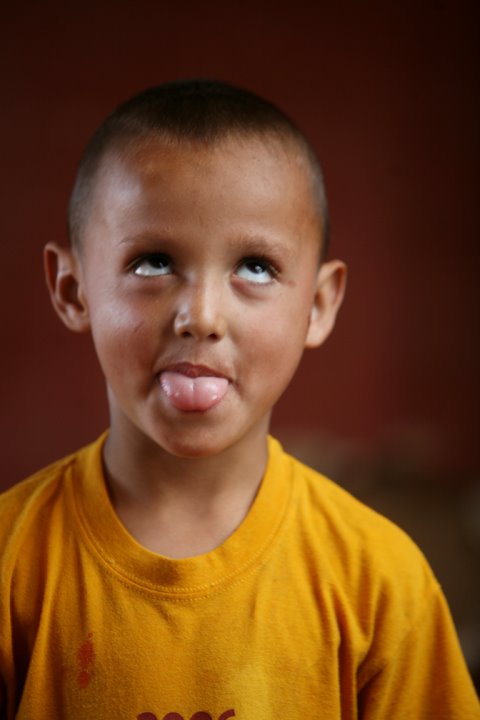
Here is Jesus around 2008 and the second photo shot nearly two years later:

And here were the other drawings from the day . . . :
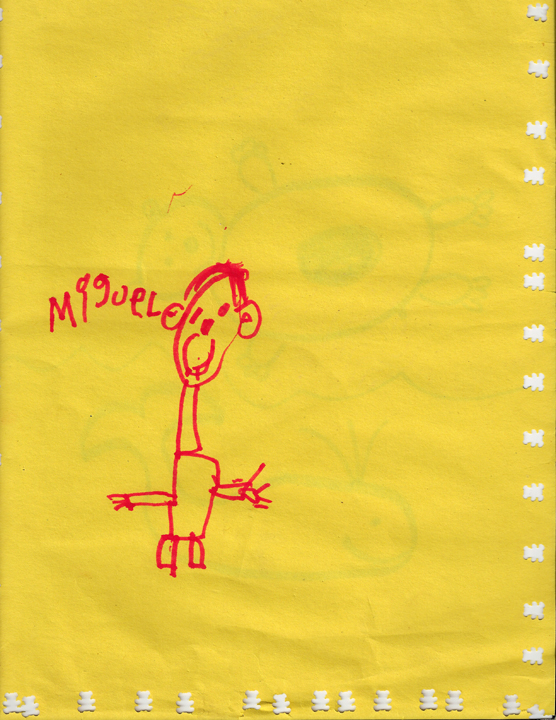
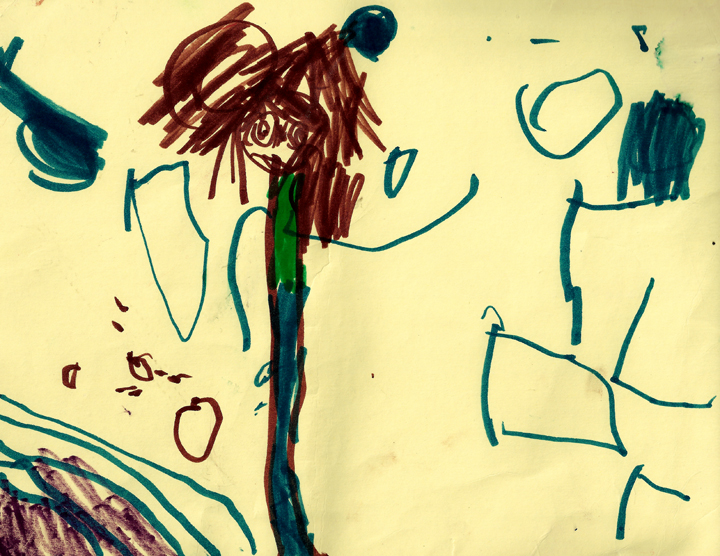


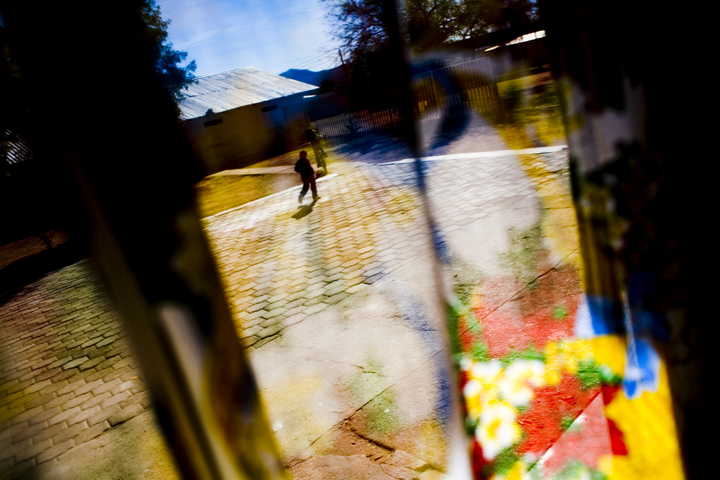
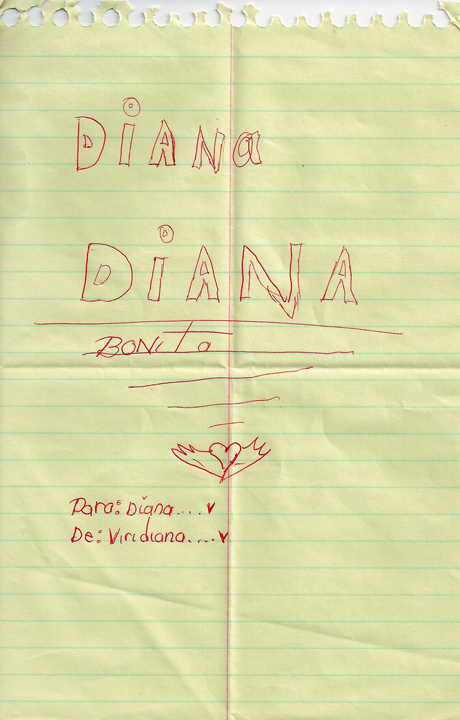
I love visiting Imuris and the kids at Casa de Elizabeth and I only hope that I get the opportunity to see them again soon. Below is my sister helping paint a balloon face and a couple of random images of the kid and two notes give to me from 2007:



Posted on January 10, 2011

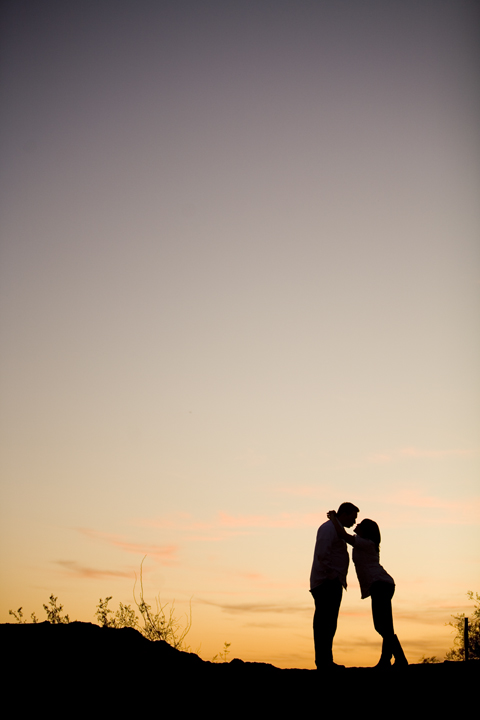
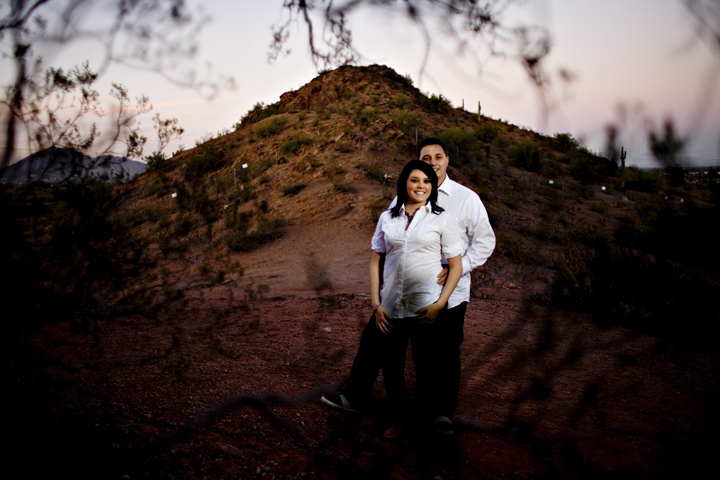
So yesterday I spent a little less than an hour with my friends Mitchel and Mary and these two were my favorite of the shoot . . . They’re getting married in November and we decided to shoot some engagement photos at hole in the rock near the Phoenix Zoo.


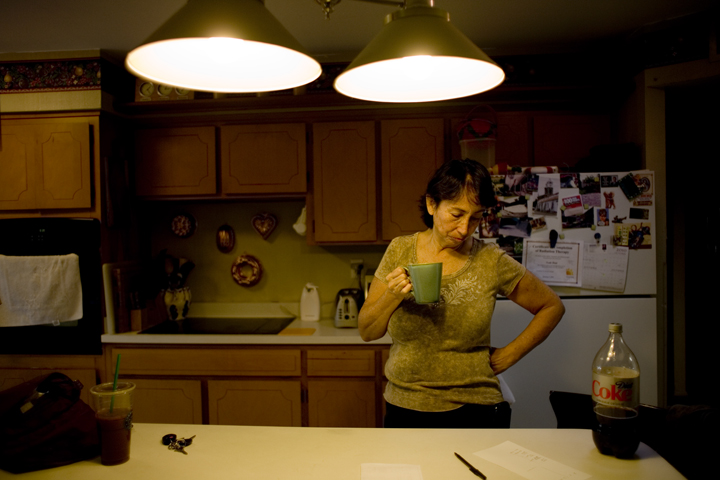
And my mom has decided to start photographing me to get even with me shooting her . . .
Desatured Sudan
Posted on May 1, 2010
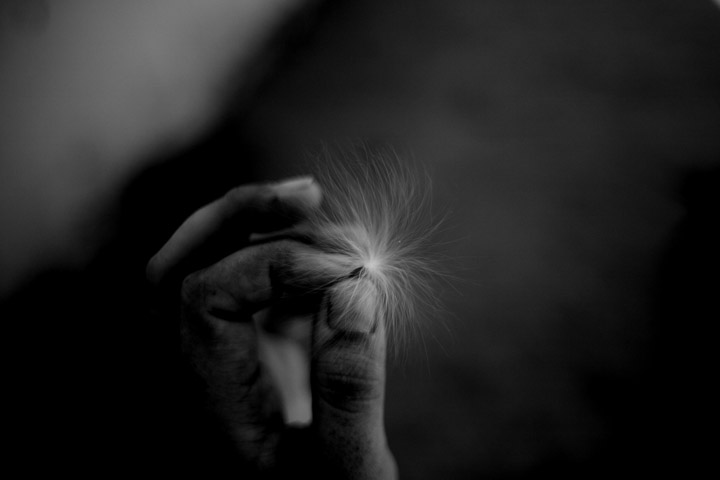
Life is good lately and the internet is slow . . . hence my lack of posting. I have some random photographs from El Obeid which is growing hotter by the day. Hopefully within the next month the rainy season will begin. Last night A huge dust storm blew through Kordofan which means the rains are coming and this desert is transformed into green fields . . . I’m so excited for this.
Over the next two days I’ll be posting about my visits to some neighboring villages and work in general at the universty.
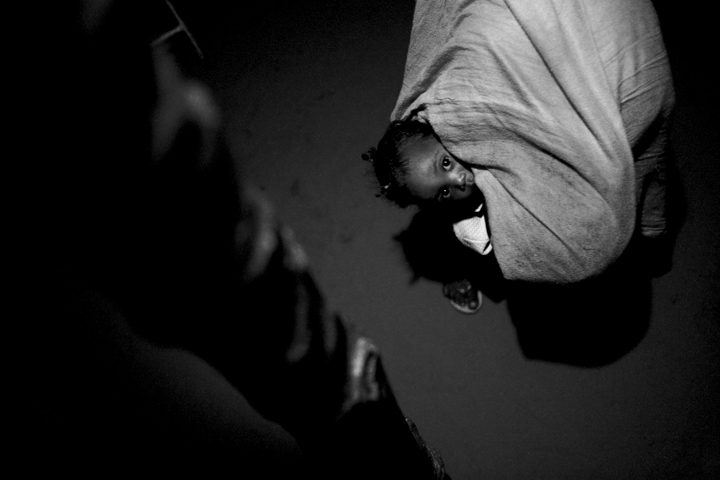

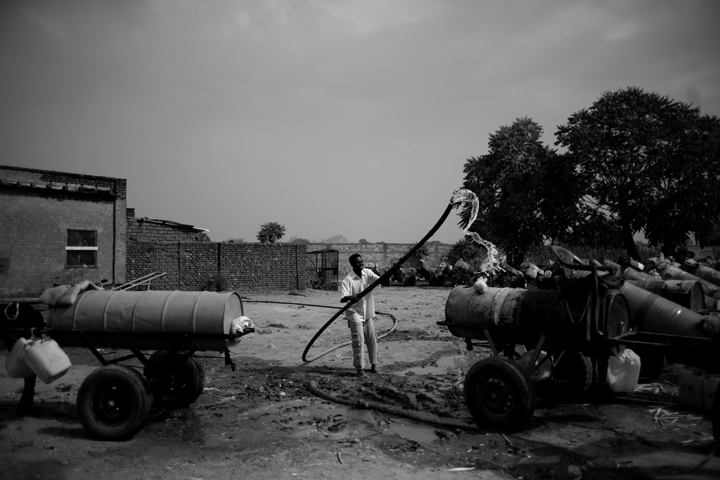
Outside Barra, Kordofan State there are several sand dunes, we went to visit.
Gracias a la vida
Posted on March 30, 2010

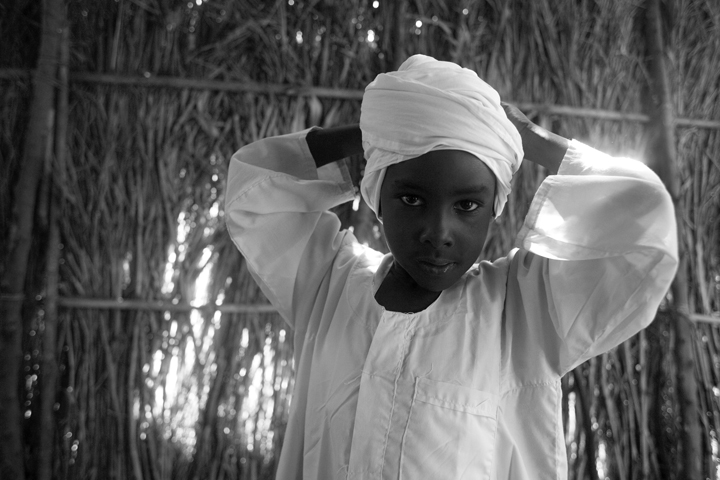
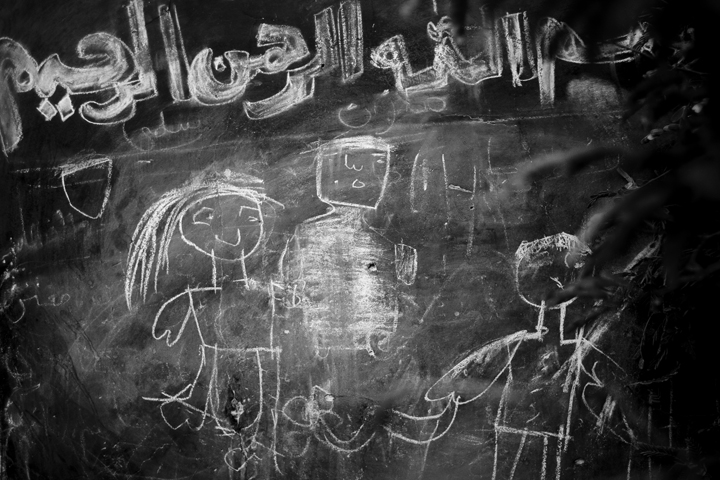
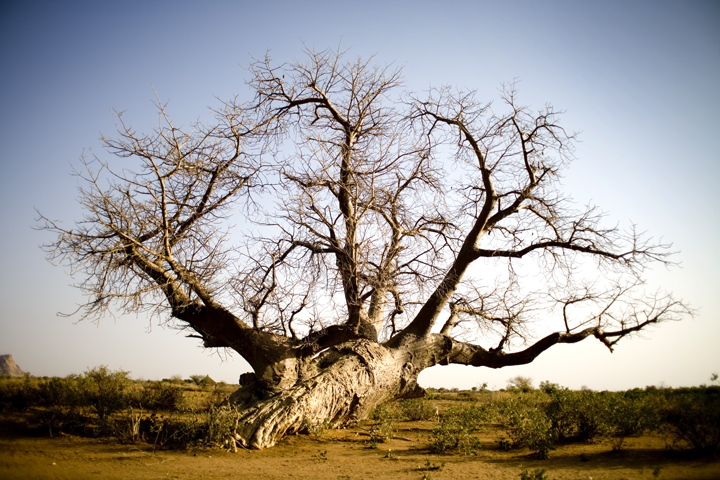
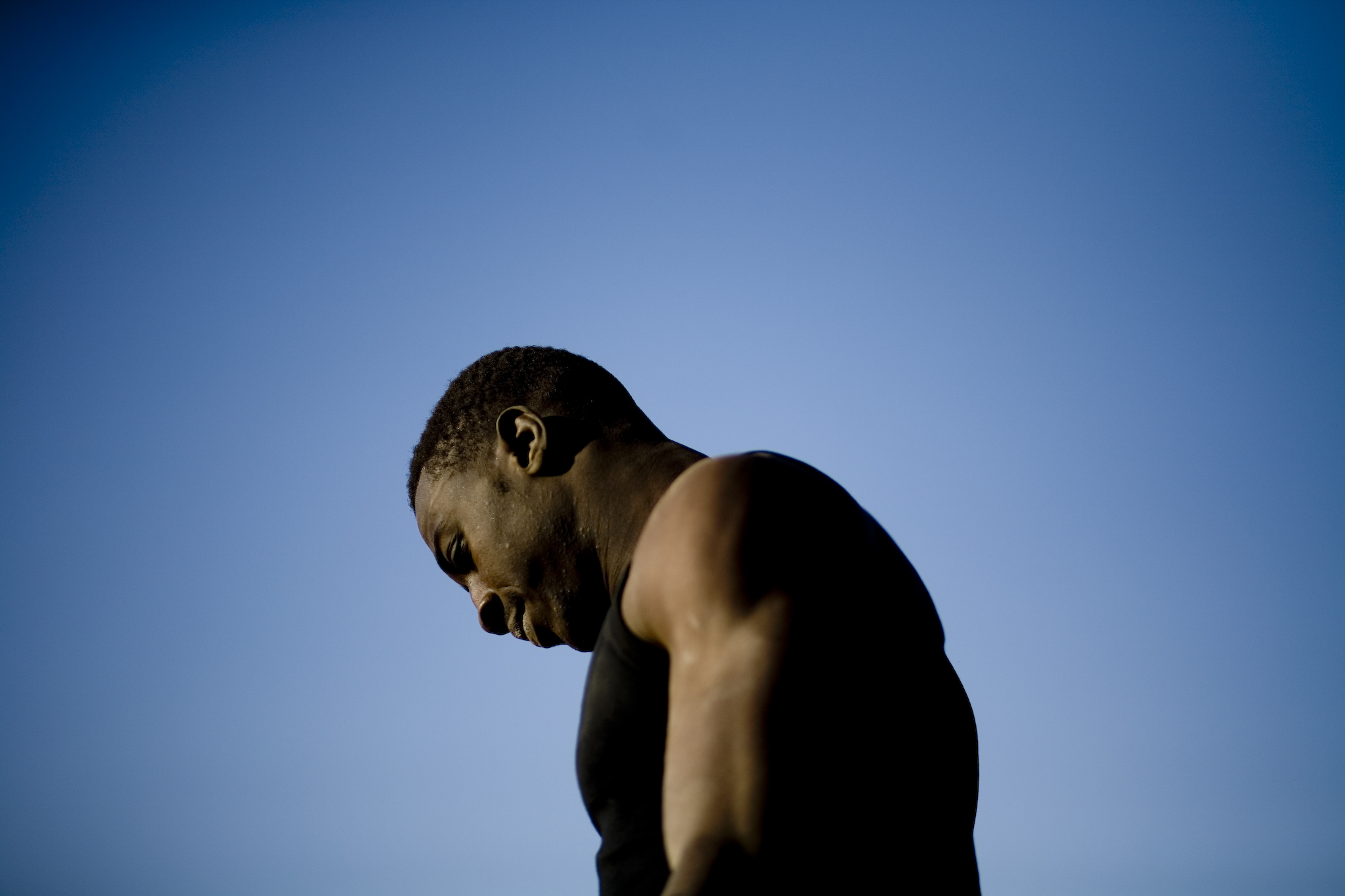
Gracias a la vida, que me ha dado tanto . . . the words from on of my favorite singers, Mercedes Sosa. It’s not only a song about love for a man, but love for life, para todo que nos da la vida. It is a beautiful song my mother and my aunts have always played in our home and her voice and words have become the ones I always take with me. Some of these pictures reminded me of this song.



El video de Mercedes Sosa’s Gracias a la Vida:
Sudan
Posted on January 30, 2010
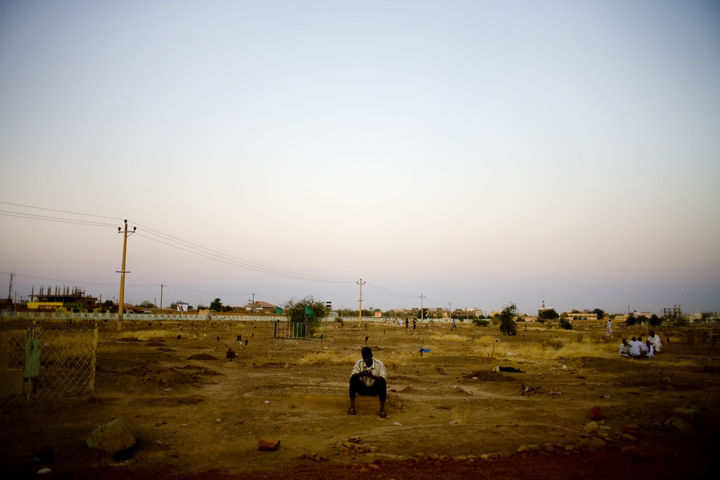
“How do you find Sudan?” is the question I get most often here. Yesterday in Ryan’s 8am class at Al-Neelain University one of the questions was spot on, “What did you think or know about Sudan before arriving here, and what do you think about Sudan now?”
I wish I could say I was well-versed on Sudan. That I had a good understanding of the conflicts that have ravaged the country over the past decades and generated the image of Sudan as a dangerous and dangerous place, but unfortunately I didn’t. All I knew about was Darfur thanks to media coverage in the United States and a basic introduction to Sudan through a small chapter from Lonely Planet Africa.
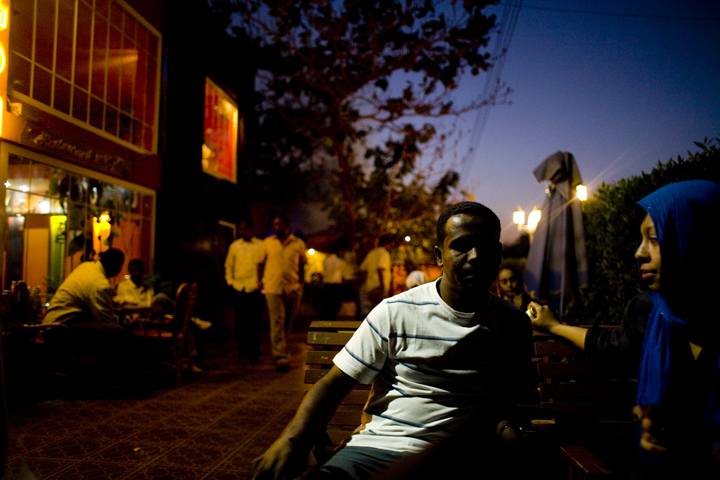
So when I answered the student I was honest. I thought Khartoum would be unsafe, tensions would be high between Northerners and Southerners or between Muslims and Christians, and that the country overall wouldn’t be very safe place. What I found really shocked me. I can walk in the city at night, no fear that I will be robbed or attacked. I’ve never felt so safe in a city of millions like Khartoum. I am also constantly surprised by Sudanese hospitality, there really isn’t a comparison. I can’t count how many times my tea has been purchased, I’ve been given a ride by a stranger, or had someone walk me to the correct bus (as my arabic is non-existent at the moment).
I’m trying to add as many photos as possible with explanations, but the internet here makes it difficult to upload pics so I’ll put up as many as possible from my first week in Khartoum, Sudan.
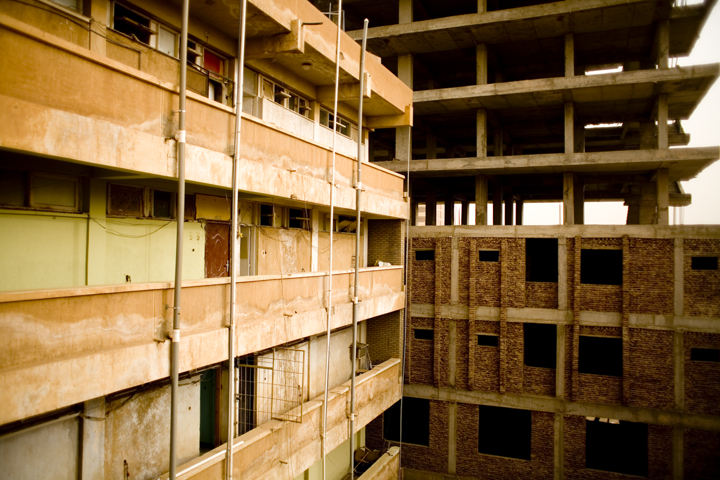
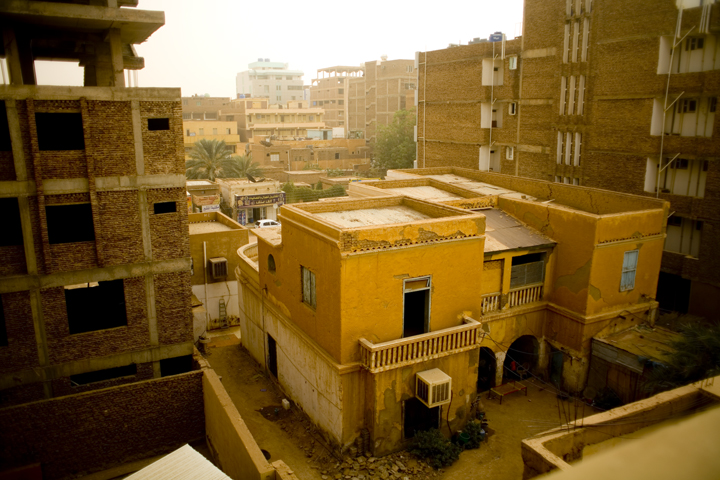
The view from my flat in souq Arabe in downtown Khartoum.
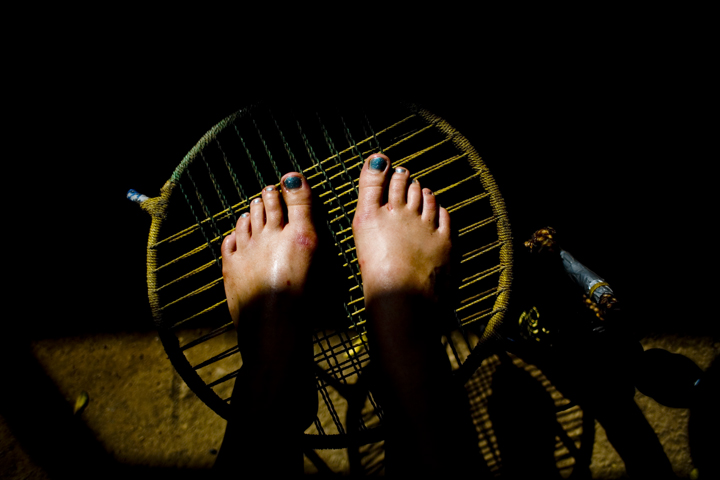
Mornings and throughout the day we have chai, jebanah (coffee with ginger and mint and spices) and smoking sheesha from time to time. Bottom photo is of Octagon one of the few places that allow women to smoke hookahs . . . It isn’t allowed at places if they’re owned by Sudanese usually, just those establishments run by Egyptians or Ethiopians.
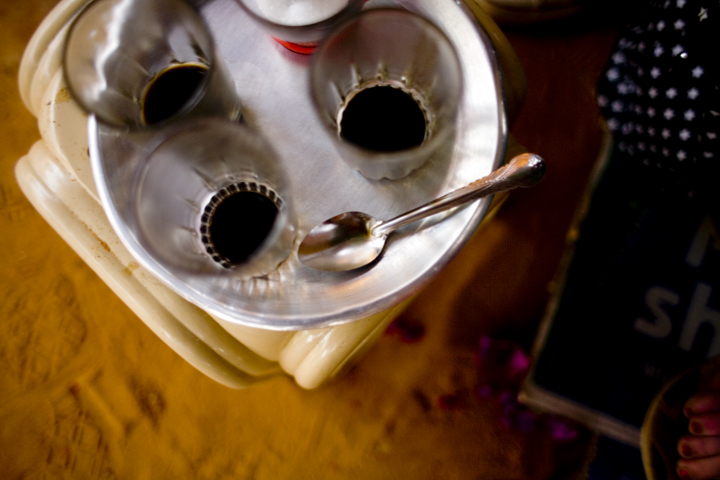
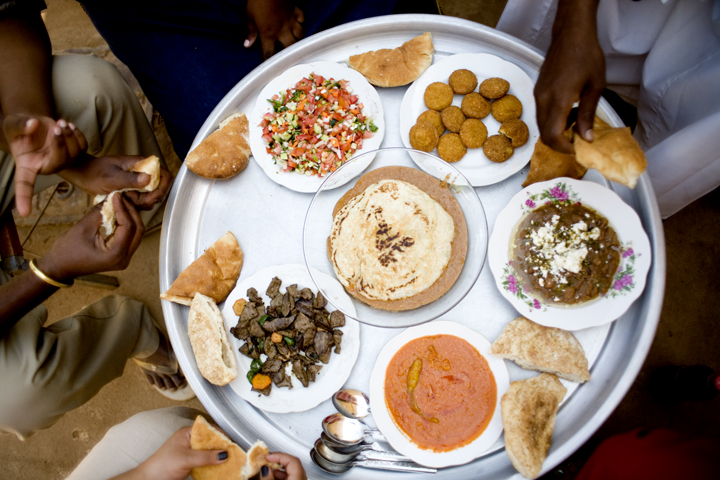
Breakfast at Mugeeb’s house, an SVP worker. Consisting of Tamiya (falafel), salad, ful (beans), bread, kaseik (a fish dish made with tomato, puree fish, and peanut butter with onions and oil), liver, and an okra dish (center) that I couldn’t even guess at the name.


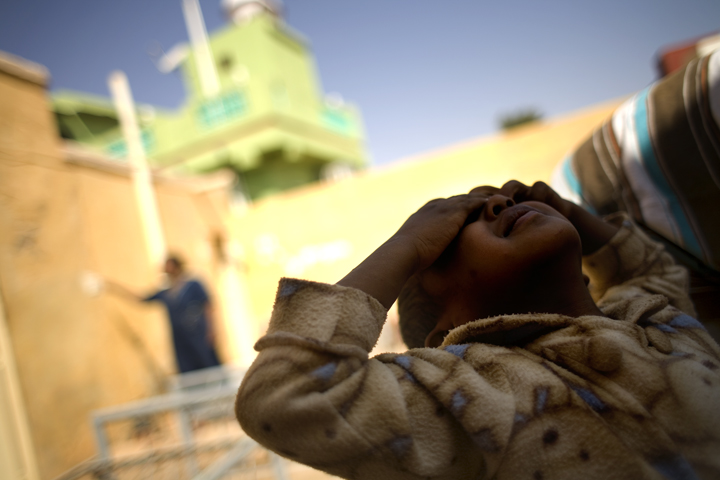
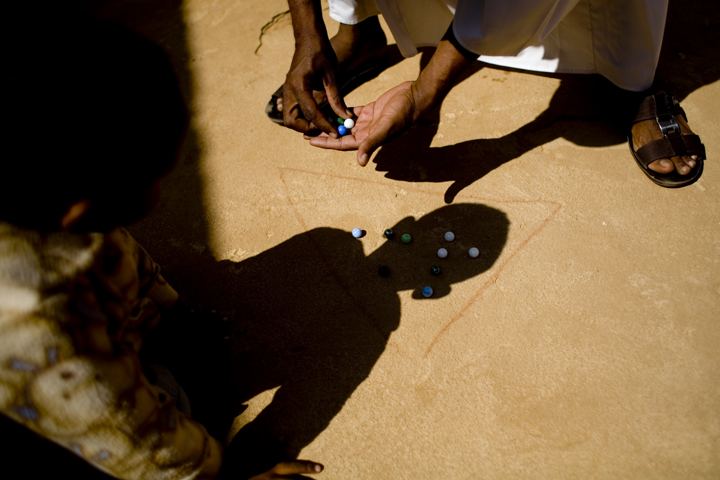
A night spent after donuts (usually a breakfast food with the tea ladies) Heidi’s friend Mohammad took us to enjoy donuts in the evening.


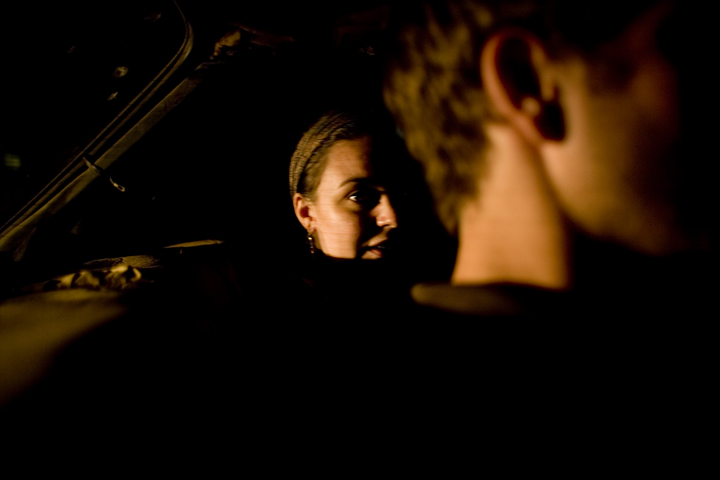
A rickshaw ride to the Sufi dancers Friday evening worship . . .
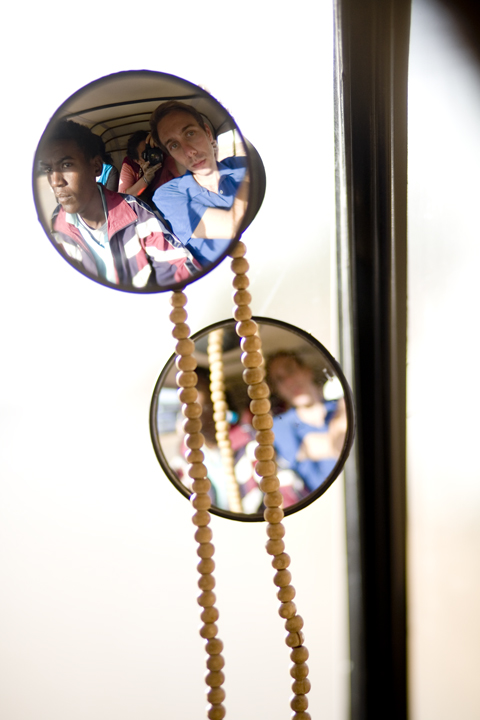
People watch and participate with the Sufis. I can’t add as many photos as I’d like, but I’ll put in as much as possible. Women aren’t allowed to make up the circle or be in the center of it, so . . . . all my photos are from behind a couple rows of men.
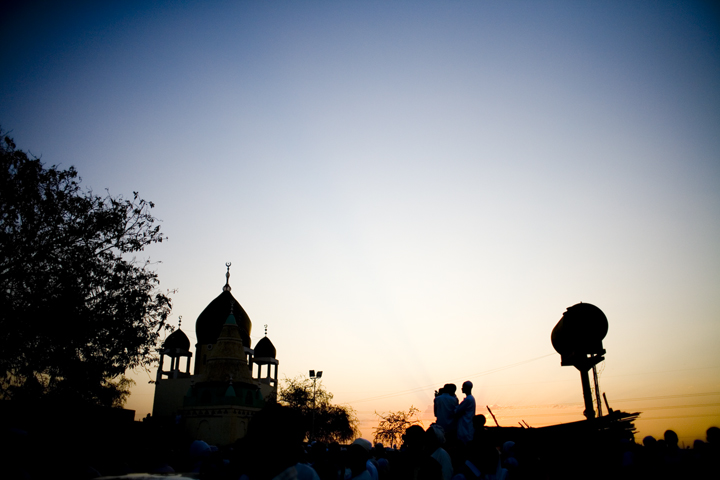


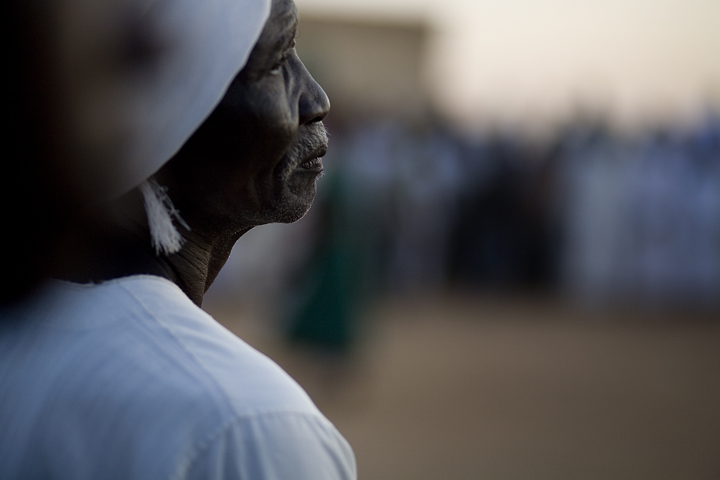


I’m hoping to post more detailed posts later. Last night (Friday January 29th) we were invited to visit a Sufi compound on the outskirts of a city. I can’t wait to share more, as this will be my last week in Khartoum before heading to El Obeid to begin teaching. It took about twelve days to register myself in the country, get my residence permit, be tested for HIV (Sudanese gov’t requires you to be free of it before issuing a residence visa), and then a travel permit to El Obeid.
Catching up . . .
Posted on December 24, 2009
I’m so ashamed . . . it’s been several weeks since my last post. At least I can be honest and say it hasn’t been for lack of work, I’ve been extremely busy wrapping up my internship, driving home, getting ready to go to Sudan to teach english. I had an amazing time at the Sun Sentinel in Ft. Lauderdale, Florida and during a photo-teaching excursion to Mexico City with Project Luz.
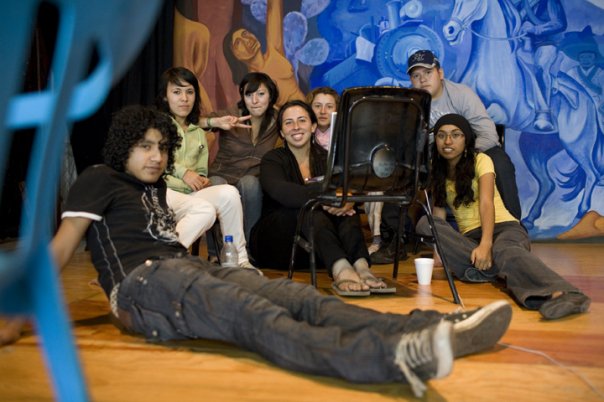
The above photo are my students, from right to left: Adrian, Nidia, Mari, Yoharelly, Fernando, and Ana. We brainstormed over what to do for our short time together and settled on the glorieta where mariachis and norteno musicians wait to be hired. The kids had to learn audio, and some had never really even shot photos before but I was so impressed by their enthusiasm and natural eyes. I loved watching them interview the musicians, learn from their trails and errors, it was such a wonderful experience. Although I’ll be catching up on my posts soon, I just really wanted to share the amazing project my kids put together. I shot none of the photos and collected none of the audio, although I supervised and helped edit.
Here it is:
Here are some of the kids’ great photos, I included two from each:
Adrian’s photos:
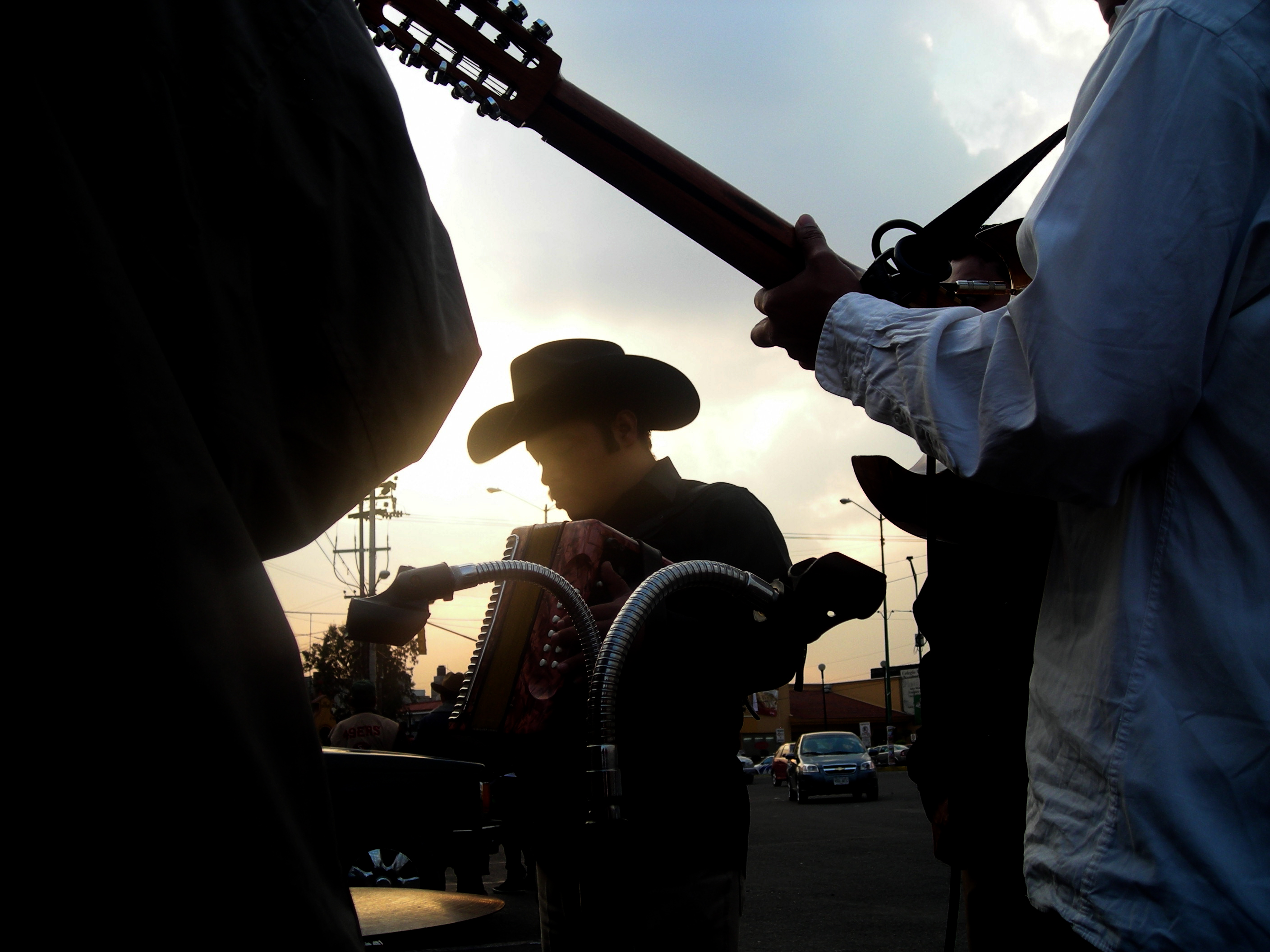

Ana’s photos:
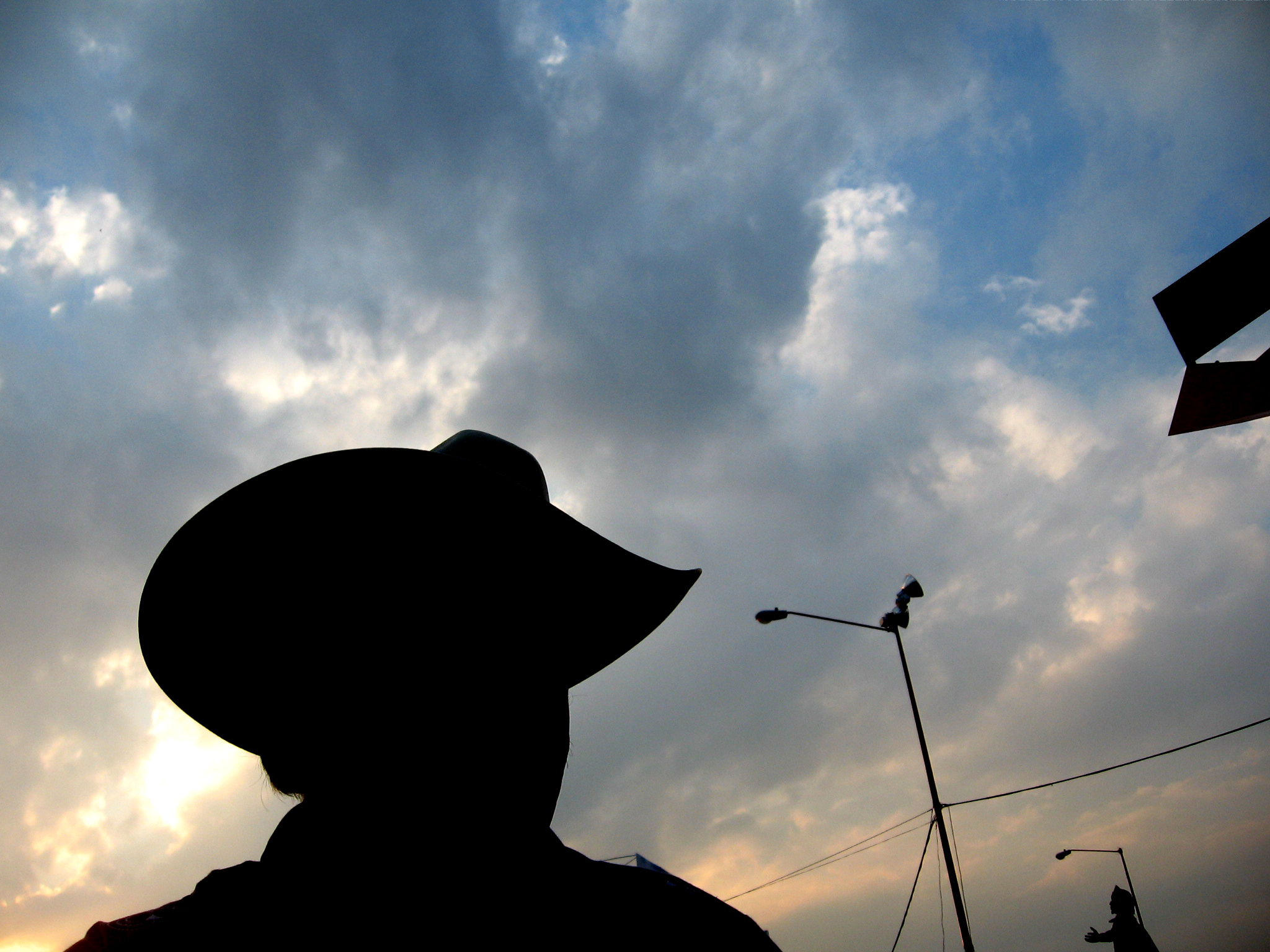

Fernando’s photos:
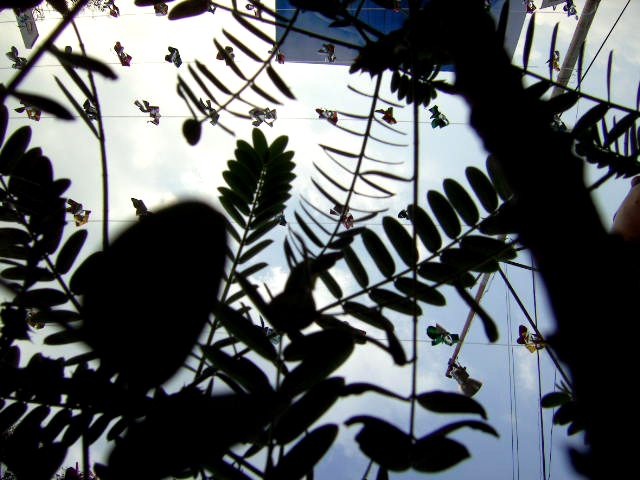

Mari’s photos:


Nidia’s photos:


Yoharelly’s photos:


I can’t believe how lucky I was to work with these amazing kids, I hope that more photographers can join the project next year!
Photos from Wednesday on Friday without color
Posted on October 30, 2009
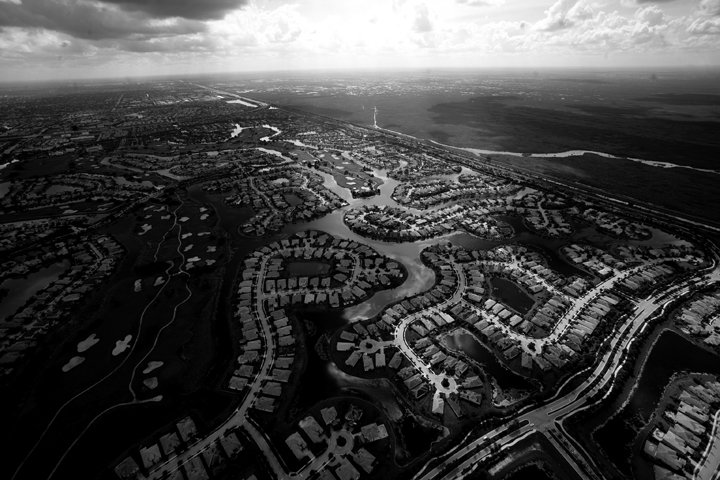
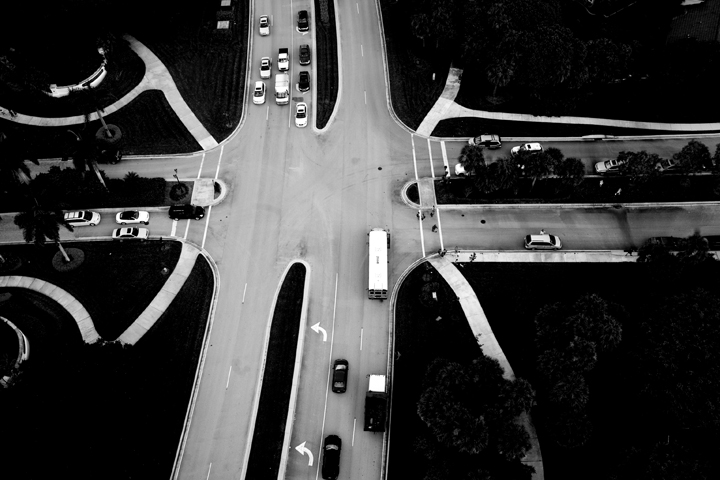
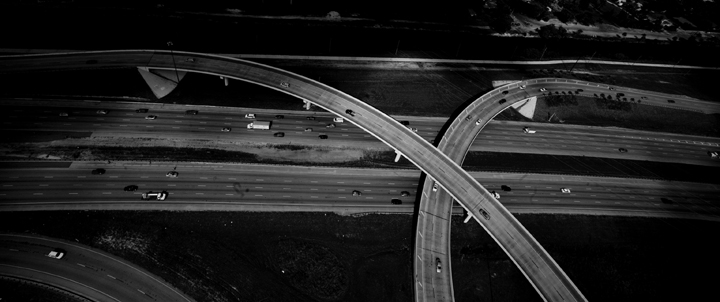
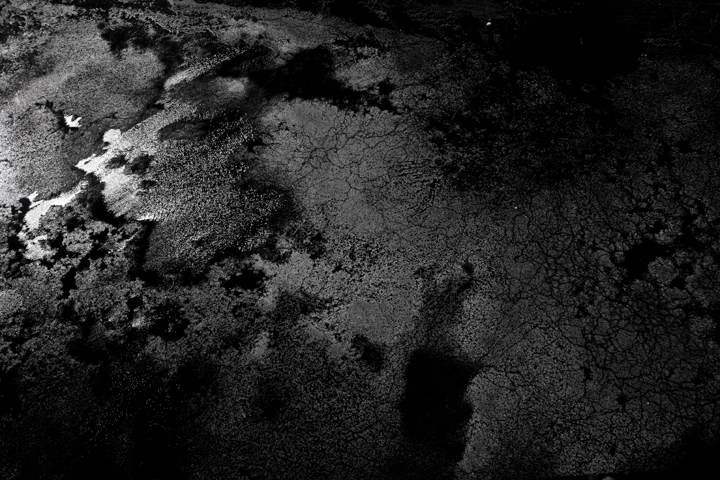
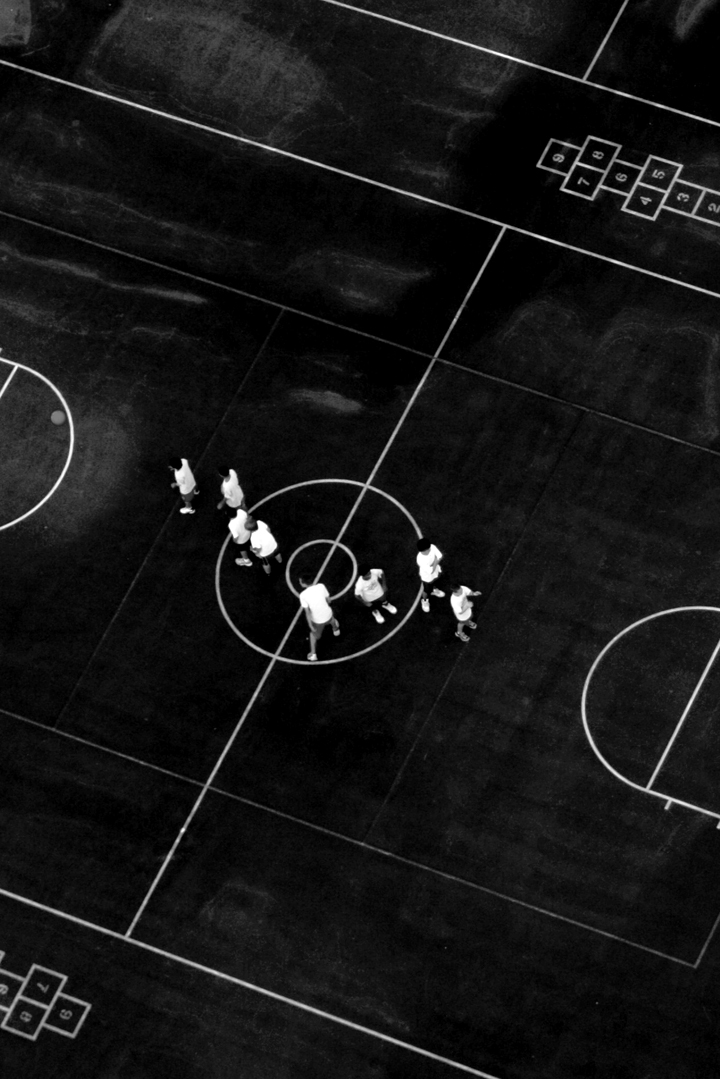
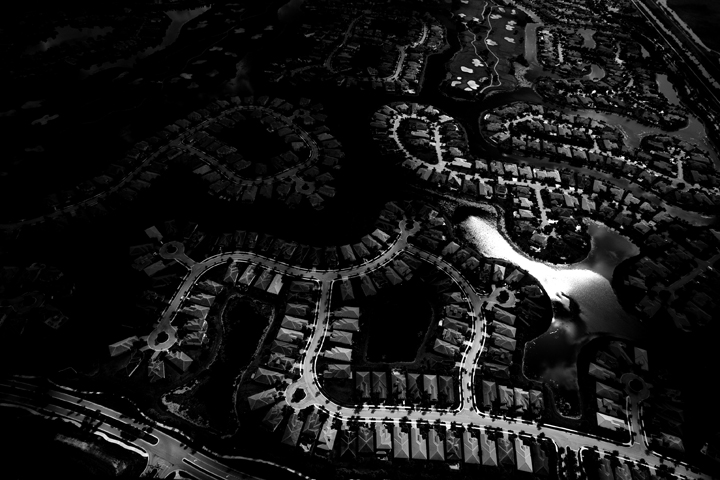
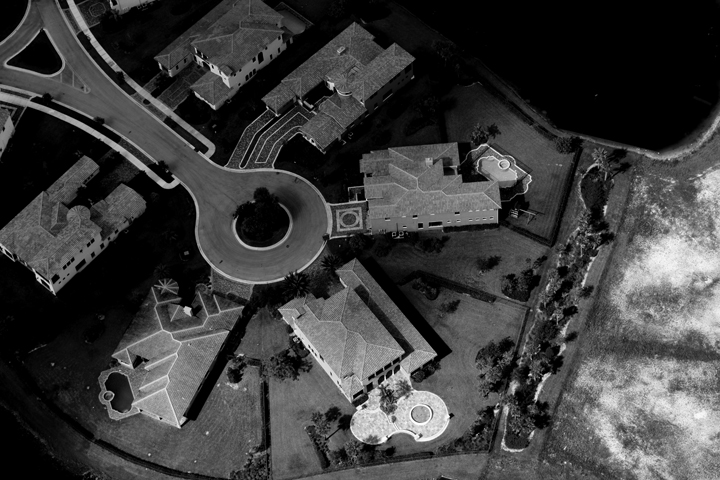
Thank you Newsgate, for if it weren’t for you there would have been another photographer available for an hour and a half cruise on a doorless helicopter over Broward County. We had about six or so stories to shoot for so we went from a neighborhood in Parkland, Florida to the 595 to the cruise terminal, boat show, and downtown fort lauderdale. So cool, I can’t even stress!




 Deanna Dent