Arizona Literature
Posted on April 24, 2014
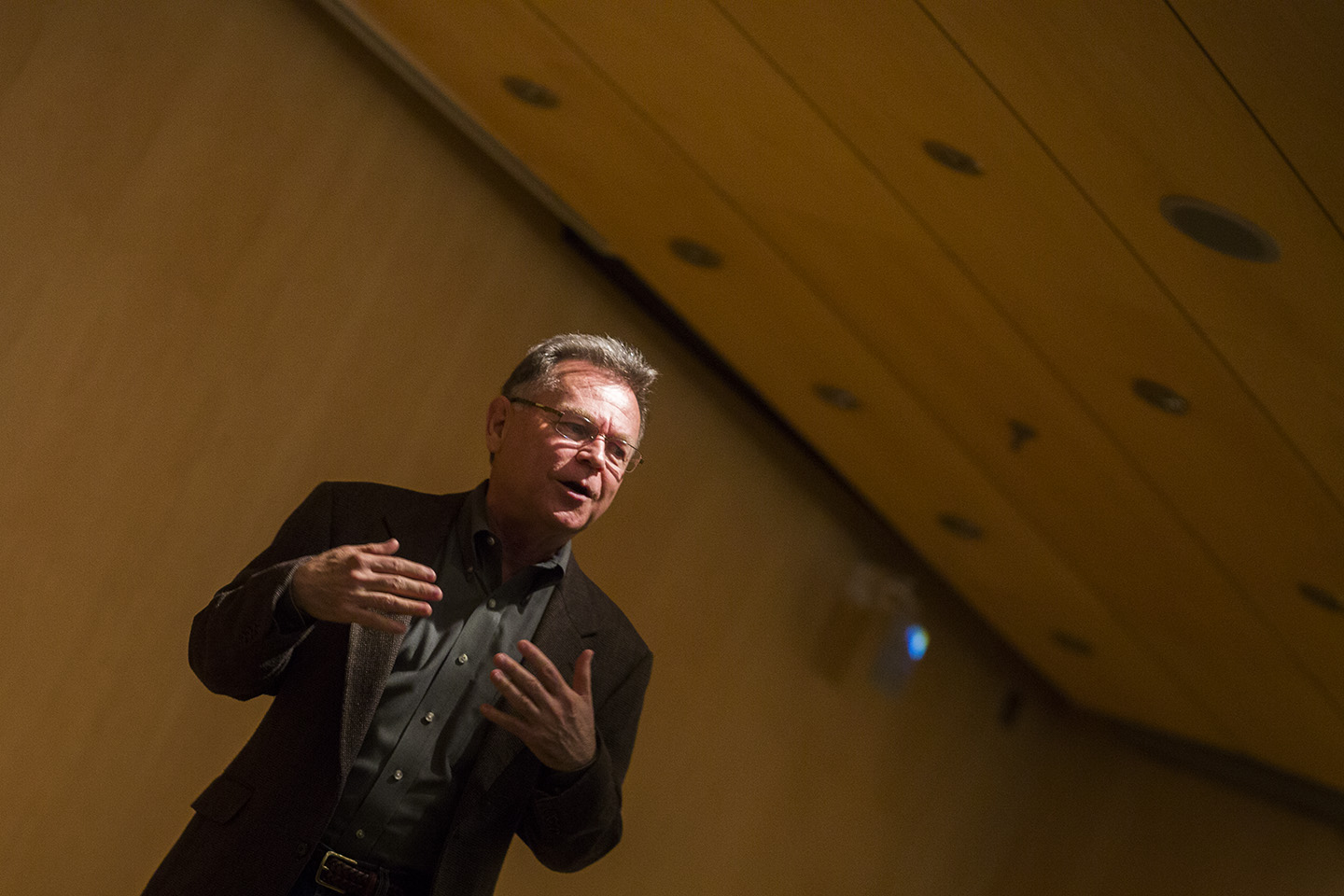
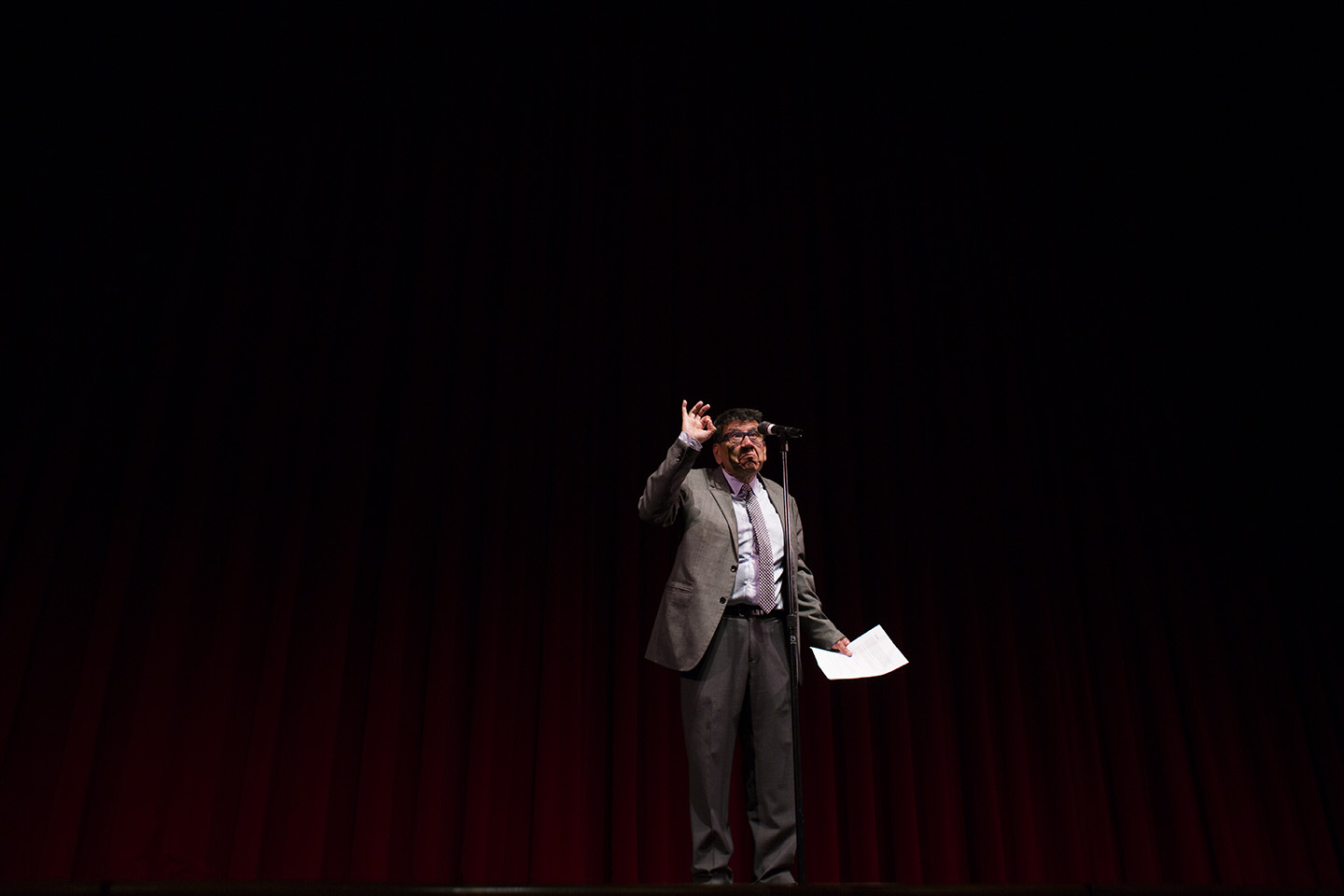
I am considering myself lucky this week. Yesterday I attended a talk/reading held by Alberto Rios, Arizona’s first poet laureate, at the Phoenix Public Library. Rios joins the “Peacemaker,” palo verde and the bolo-tie as things so purely Arizonan they are actually recognized as unique representations of the Arizona experience. Some examples of Rio’s work can be found here. He spoke to the role in language and the relativity of experience growing up in a mixed culture.
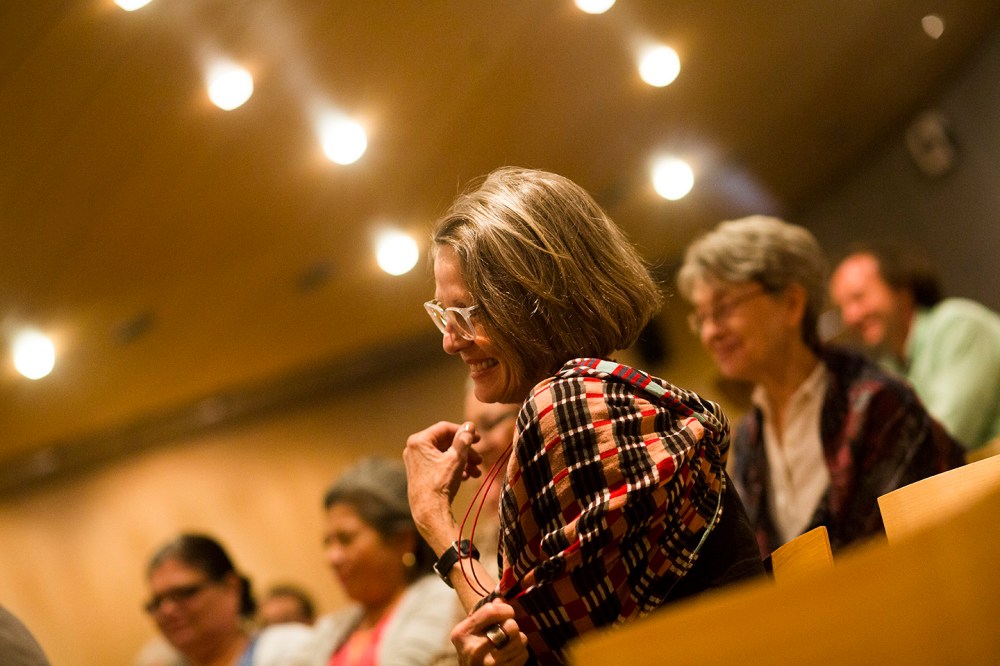
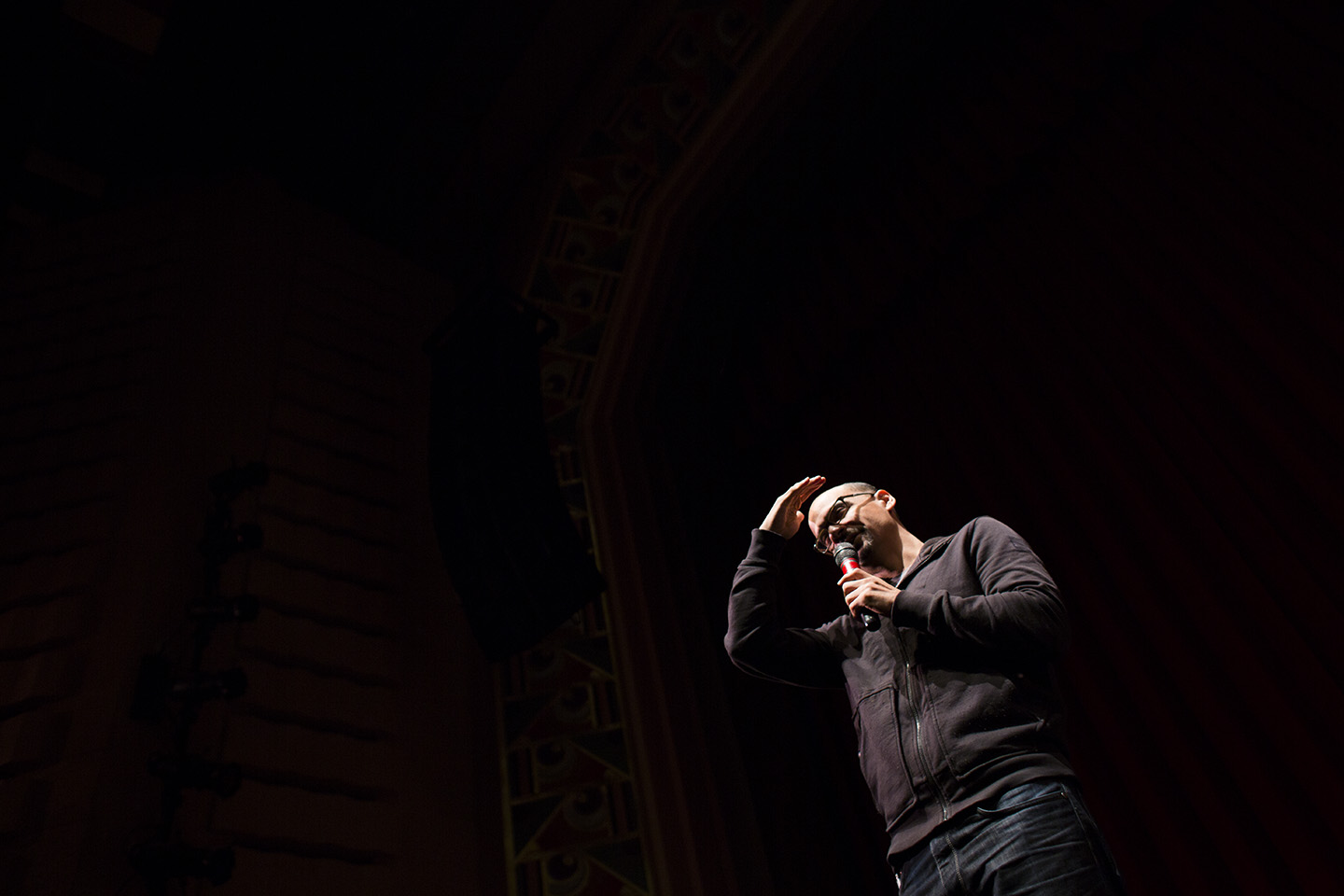
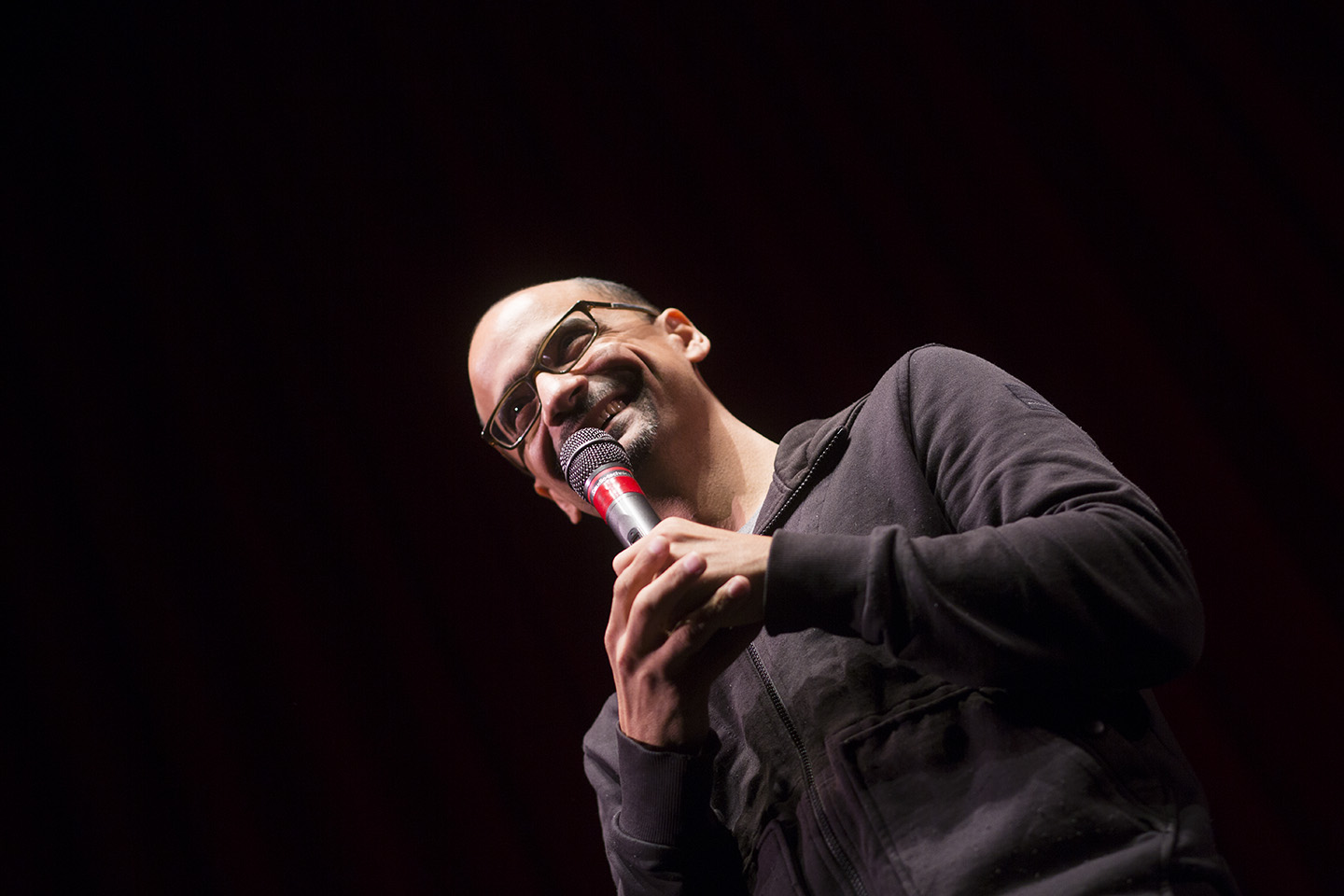
And today I drove down to Tucson to see Junot Diaz speak, a MacArthur Genius grant recipient, who is a writer that speaks to the immigrant experience (though that is a very quick and superficial description of his work). His social thought and perception of larger issues of masculinity, relationships and love in our larger American (immigrant) culture are prominent in his writing but weaves itself fluidly into his writing.
I read his books while living in my village in Samuteba, Zambia during my Peace Corps service. I found myself consuming, figuratively but borderline literally, a book a day. I stumbled on The Brief Wondrous Life of Oscar Wao which spoke to me differently than Crime and Punishment, Lolita or the multitude of other books.
I managed to find Drown and bought This is How You Lose Her in Nairobi and spent $25 on the book, an 1/8 of my monthly stipend. I could continue writing about what a great author he is, but reading the book is best.
Late Puente Protest in Phoenix
Posted on April 14, 2014

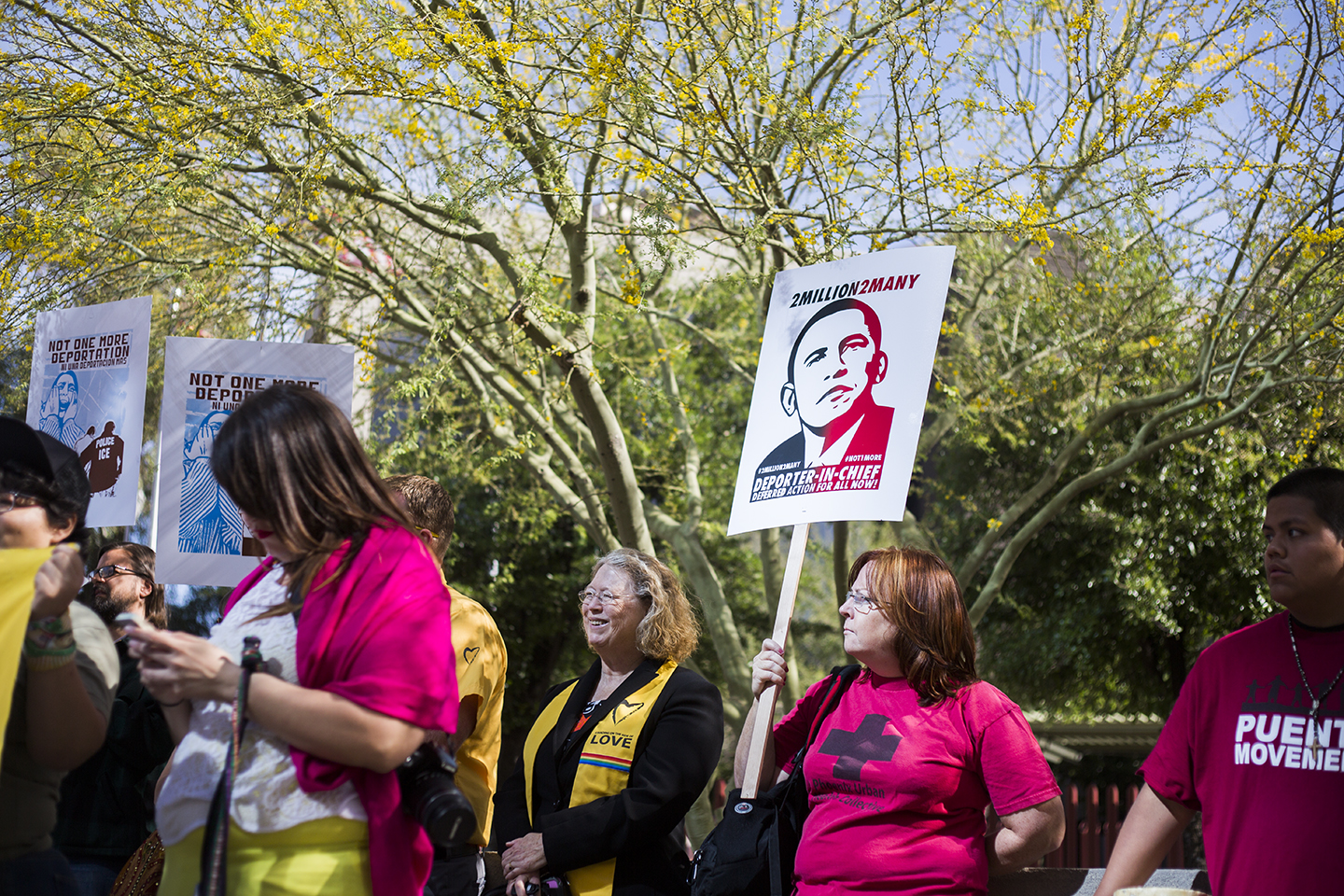
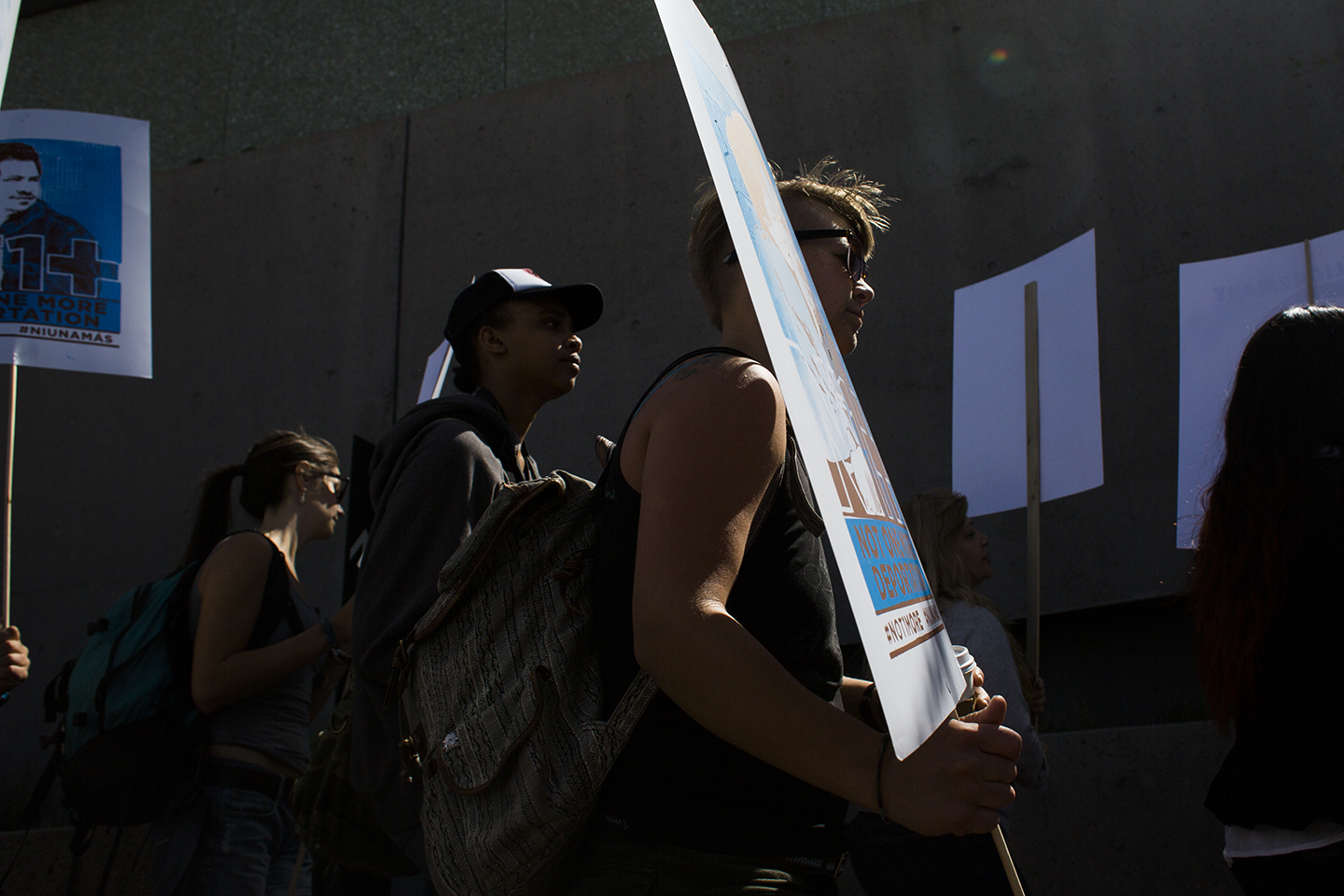
Realize this post is a bit overdue, but on Wednesday April 2rd I had my students meet at the Puente organized protest in front of ICE so they could have a chance to shoot the marchers as they started their 70 plus mile journey to Eloy, Ariz. The photo above is of three of my students photographing from a light post and palo verde to get a slightly higher vantage point of the press conference that preceded the march. You can see their photographs at the class flicker page here.
 \
\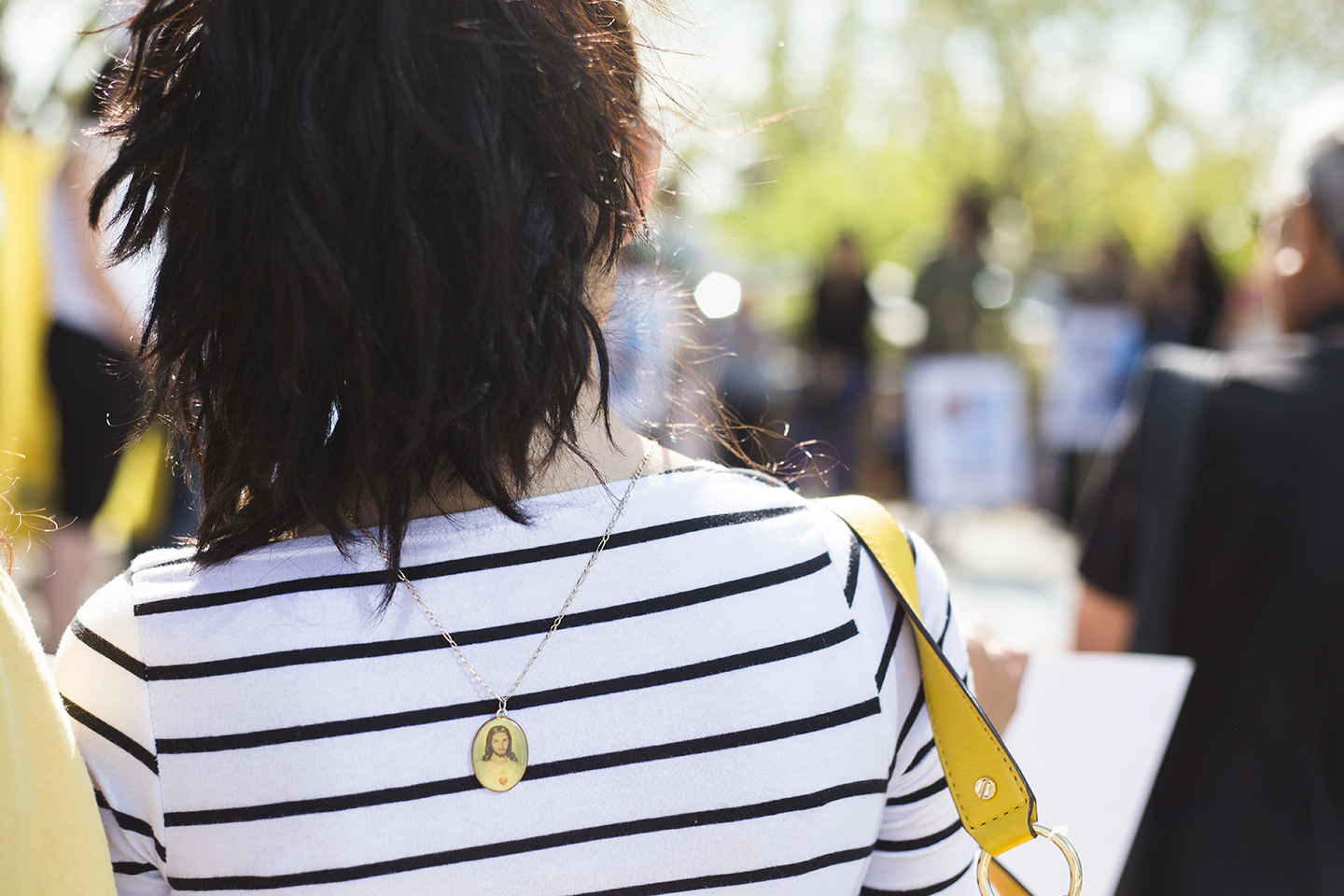

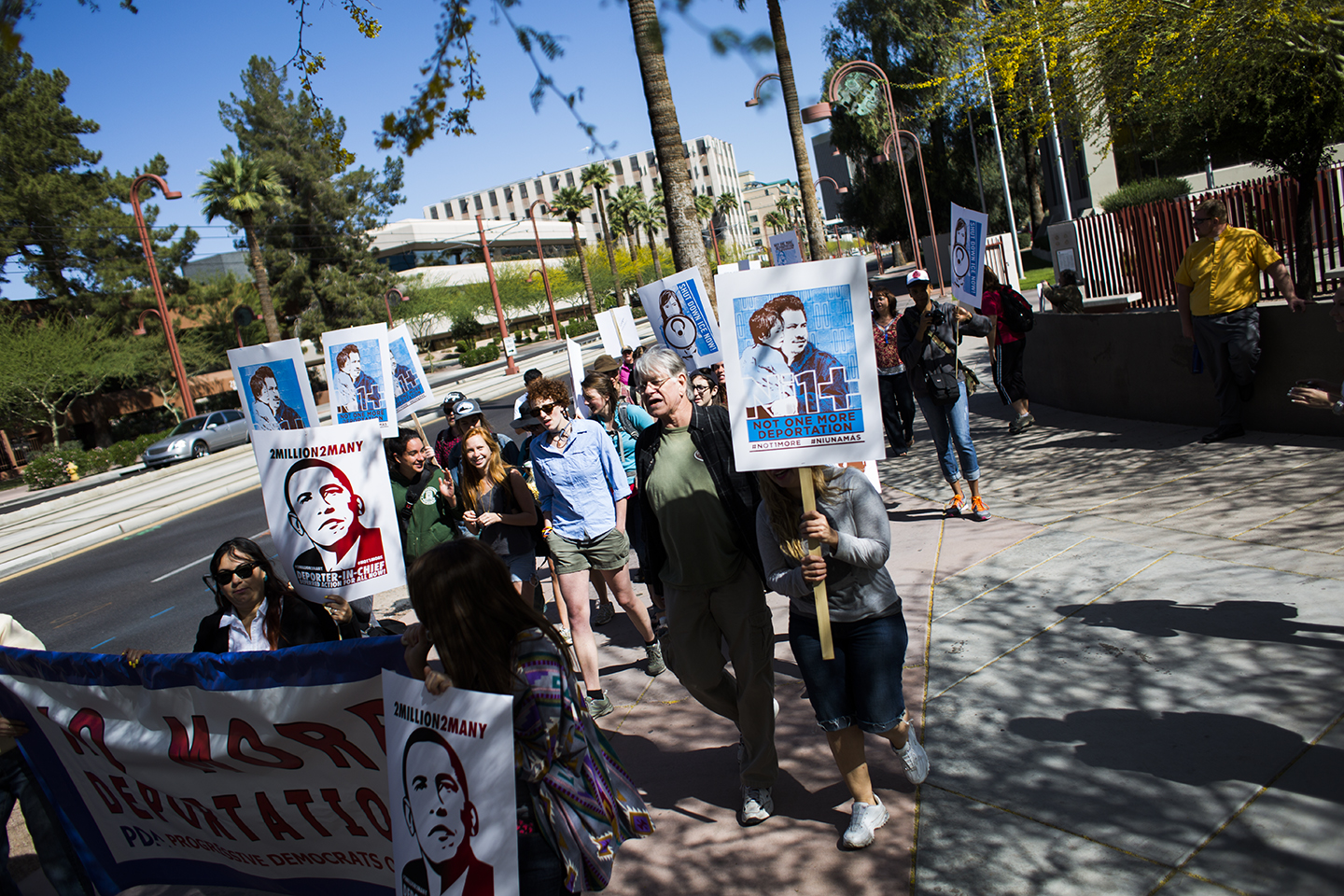




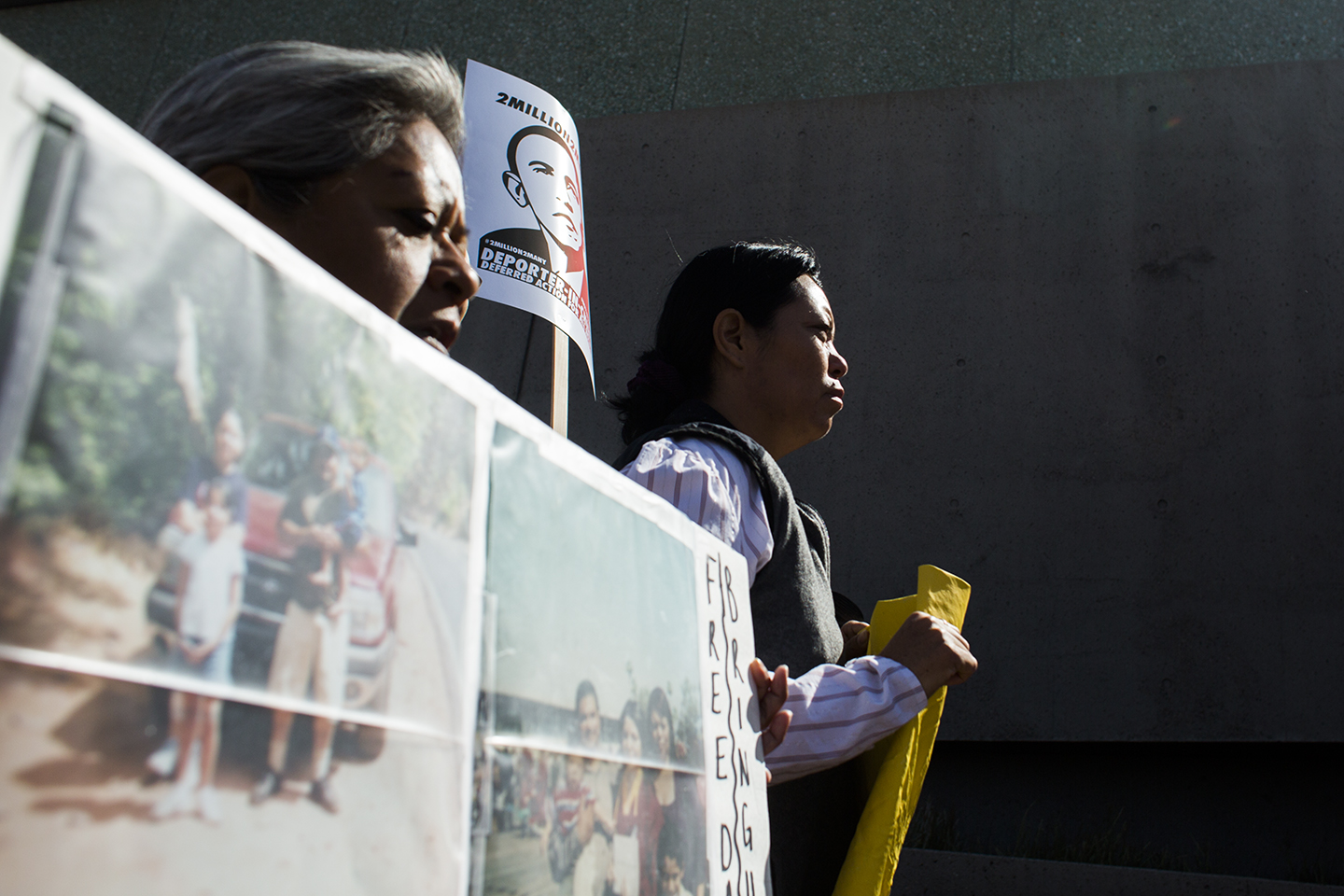

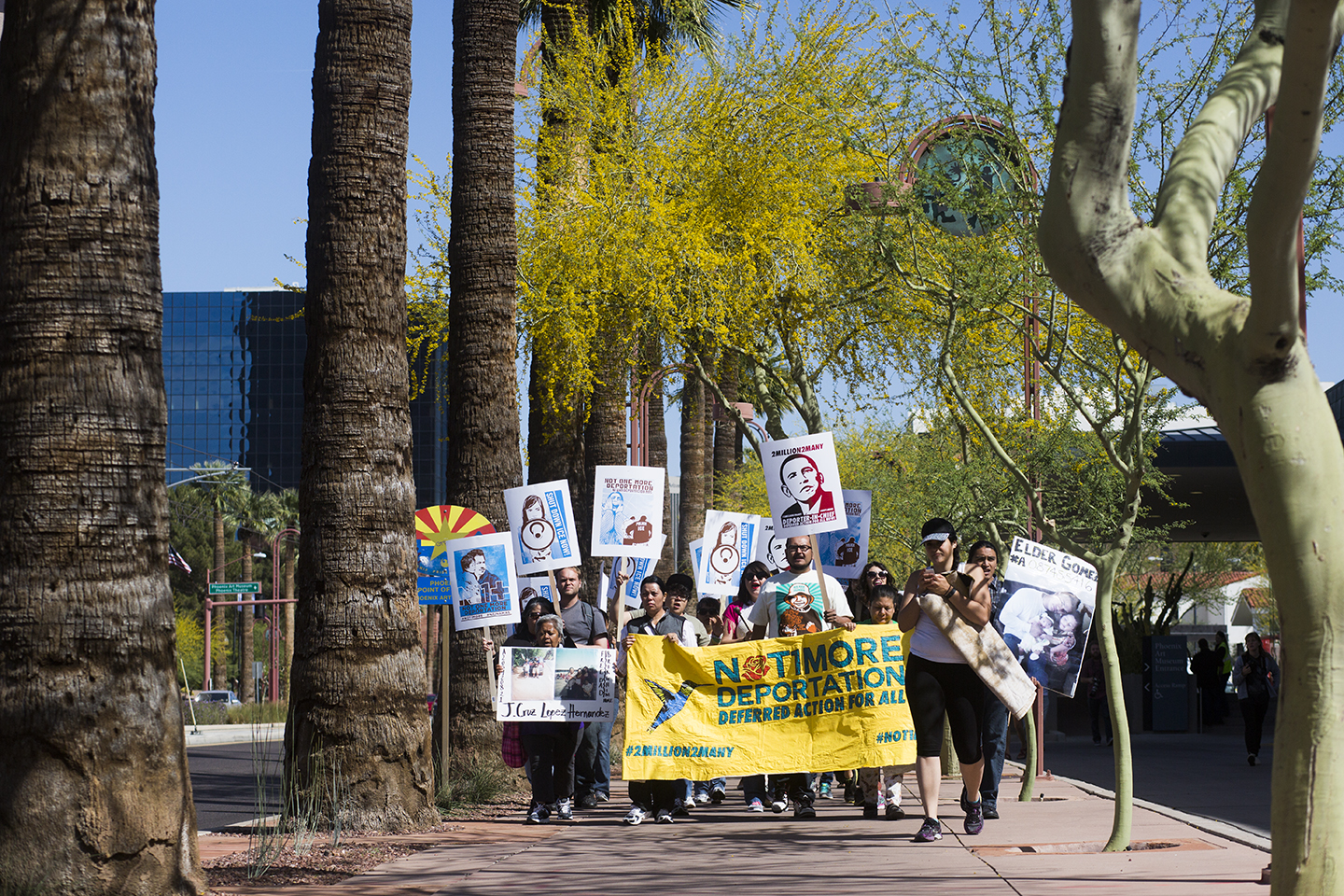
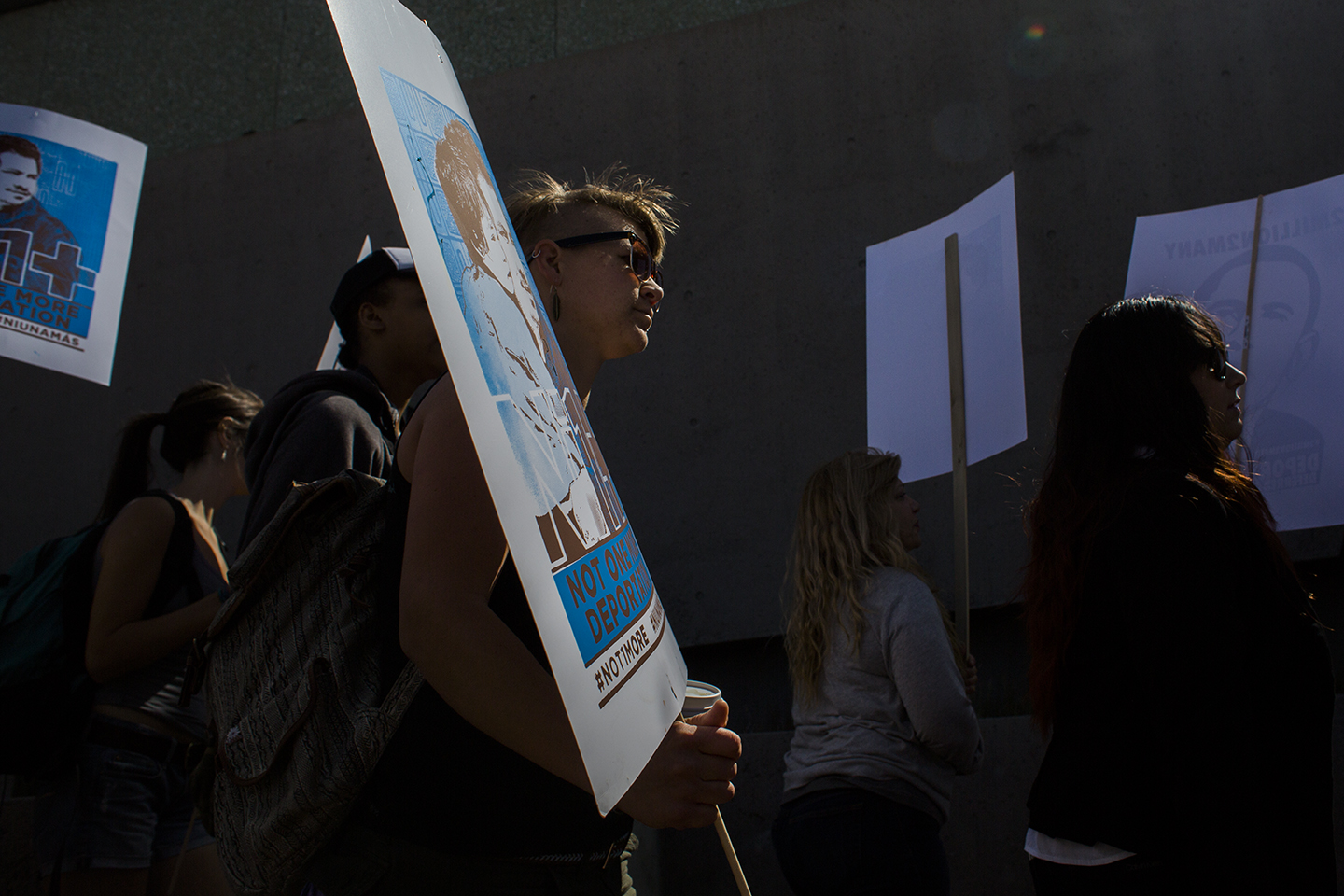

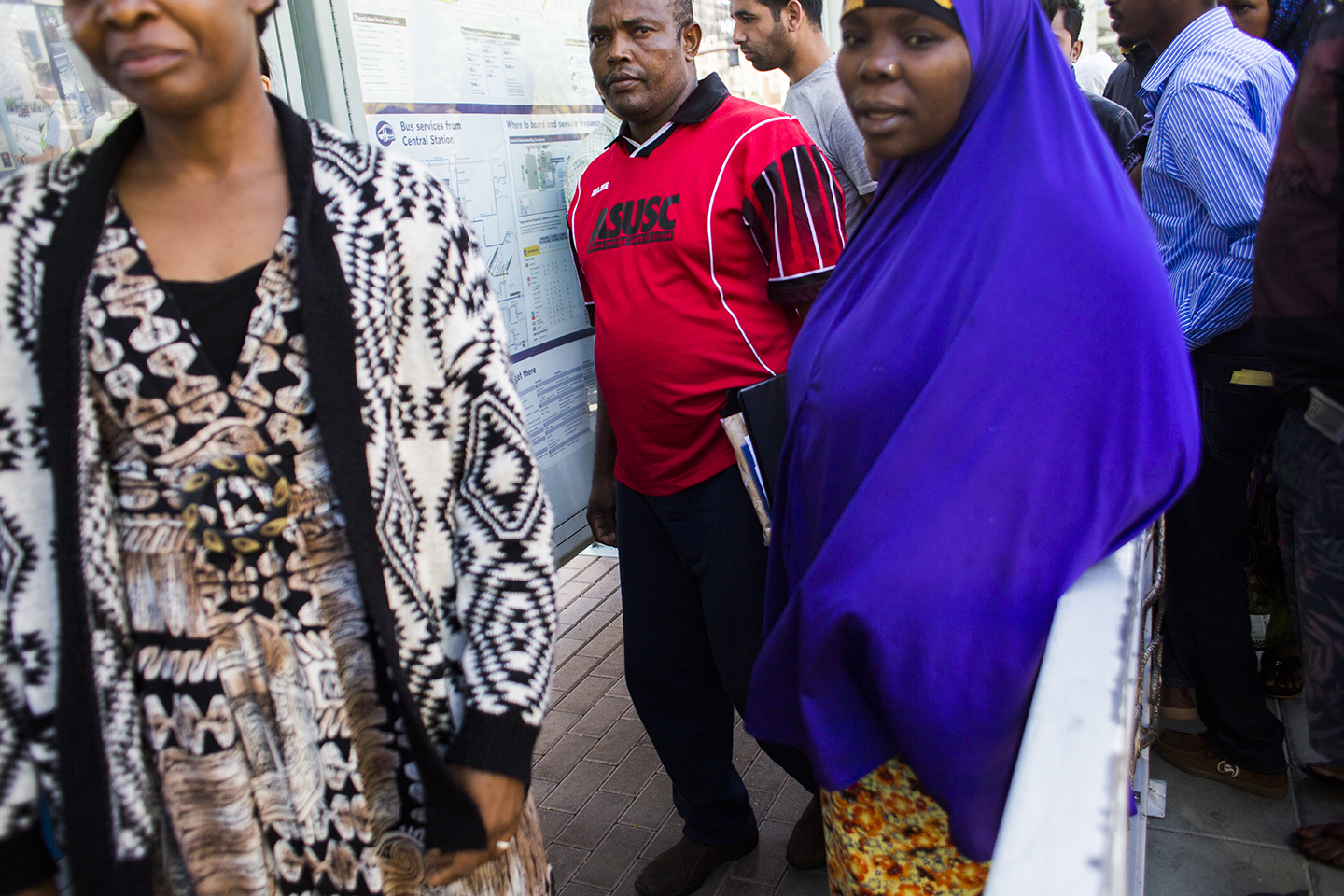
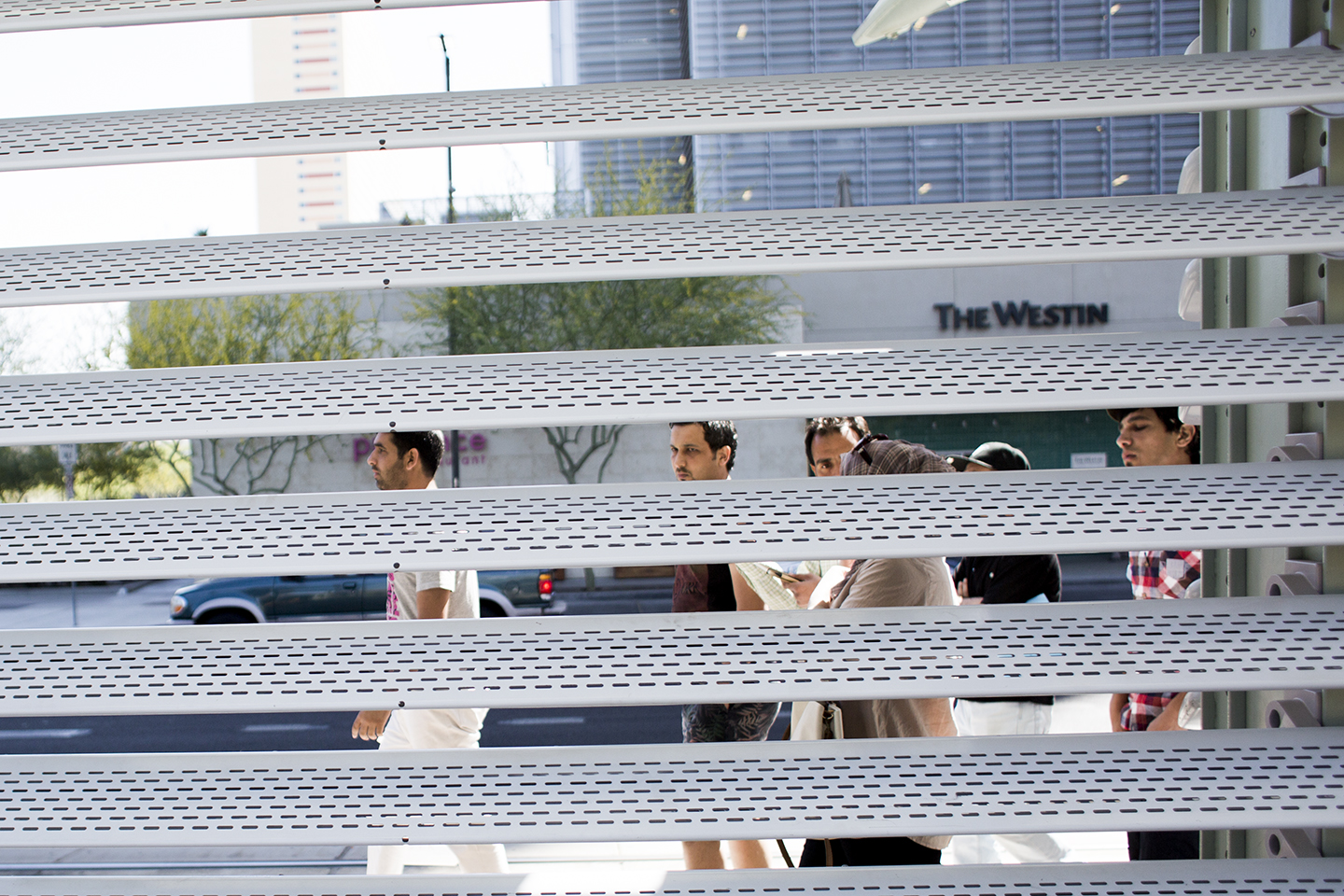
Randomly after a protest against deportation I met a group of refugees undergoing a training on how to use the valley metro system. So at one point all the Puente protesters were occupying the street corner, some who aren’t legal residents in the U.S. while at the same corner the newest immigrants, legally and through much hardship explored downtown Phoenix.

Senators and American Longspurs at Crescent Ballroom
Posted on March 31, 2014
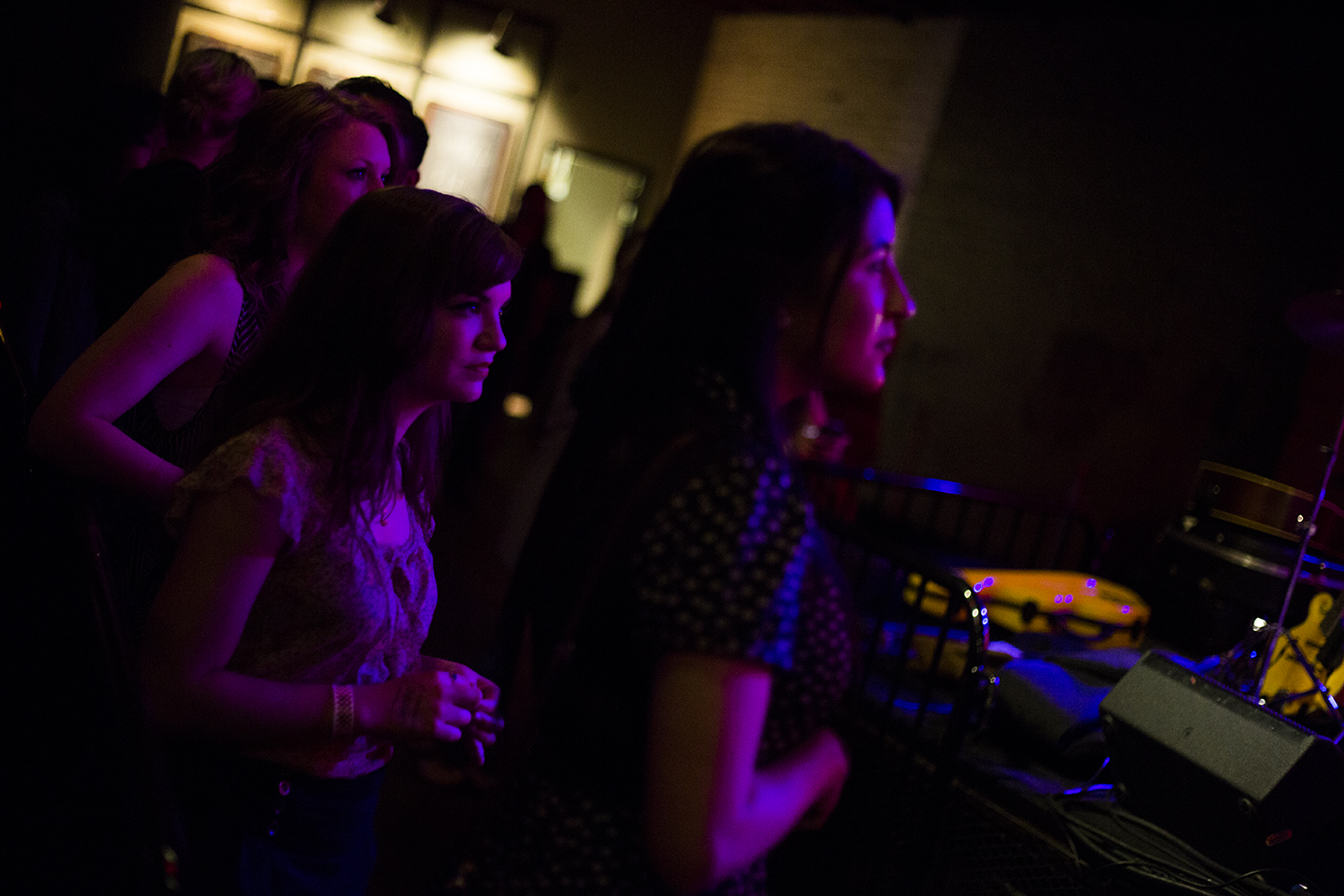
Saturday night I had a great chance to see some local music live at the Crescent Ballroom in downtown Phoenix. Usually when someone brings up Arizona and senators I brace myself for the worst intentions or just odd uses of time, so imagine what a truly wonderful surprise it was to hear the Senators play. They are an amazing local group and they played along with the American Longspurs whose photographs are featured first. Being home I constantly miss the music I listened to in Zambia. It was a completely different type of music, rooted with strong beats or religious sense and playing from early morning to late evenings with artists like Mampi or the religious Zambian gospel music. For good measure I lived in Lunda land and you could hear this music playing from the first Bamayo rising to the last person tumbling into bed.

 \
\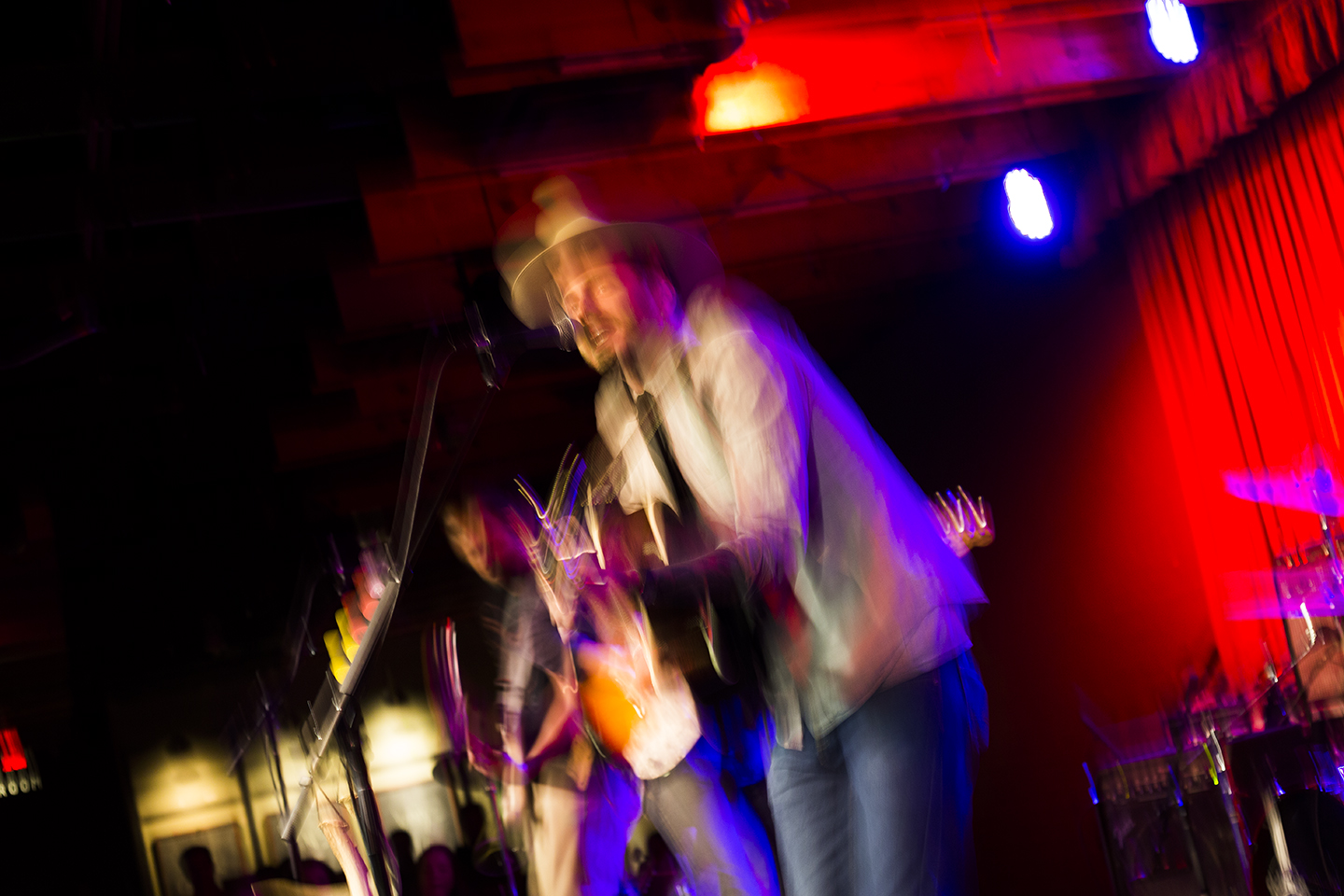
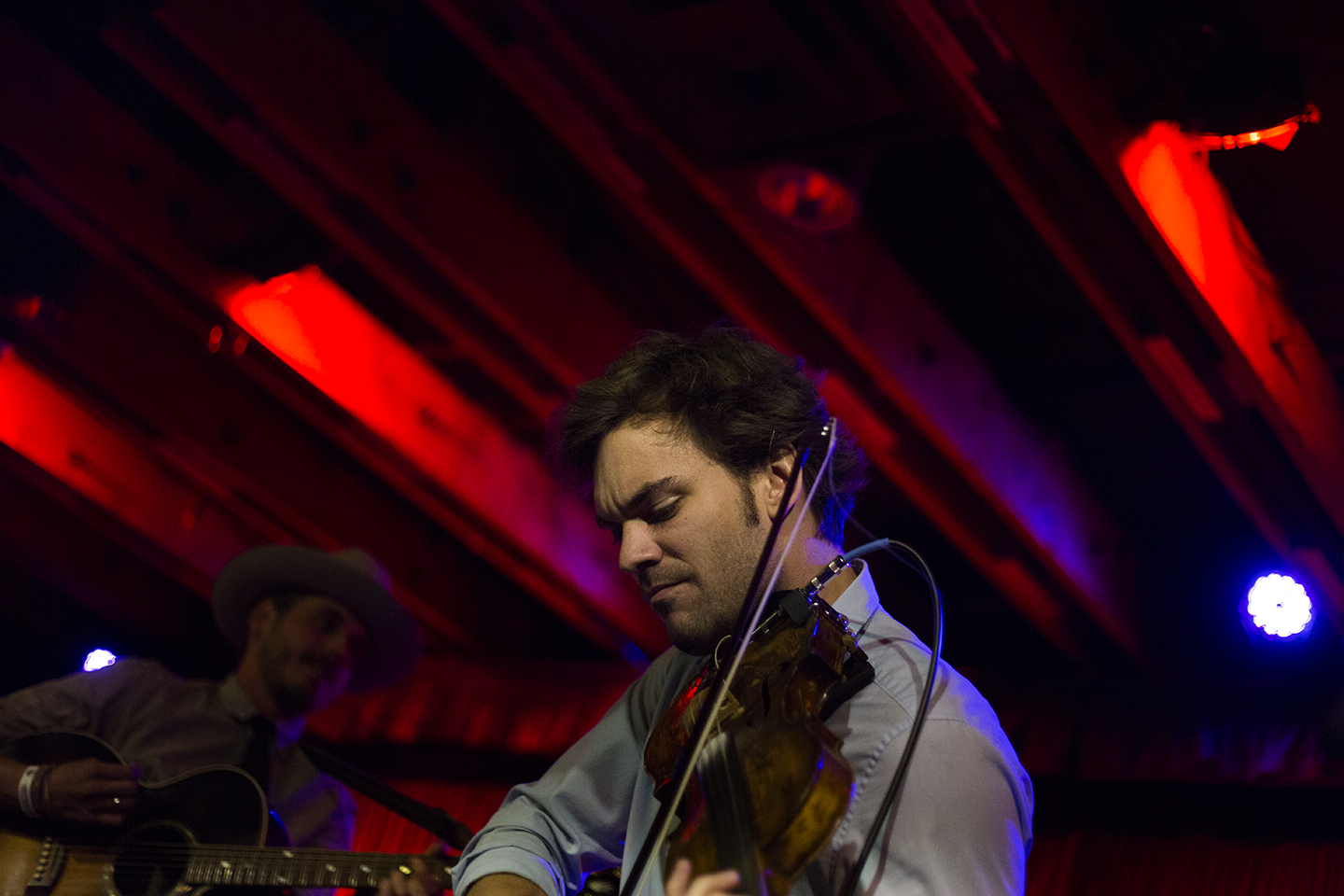

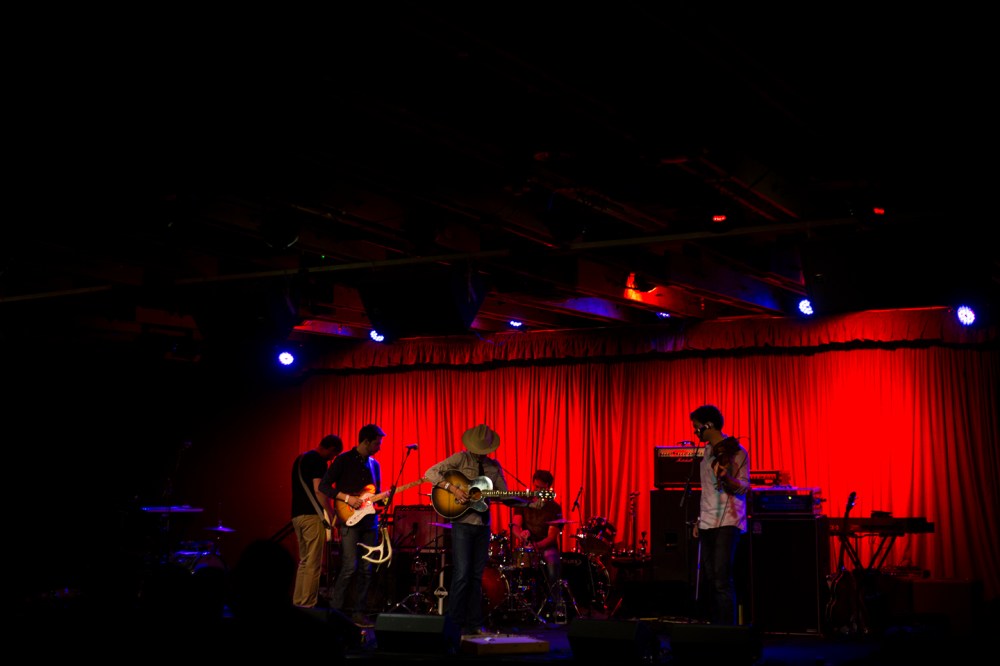
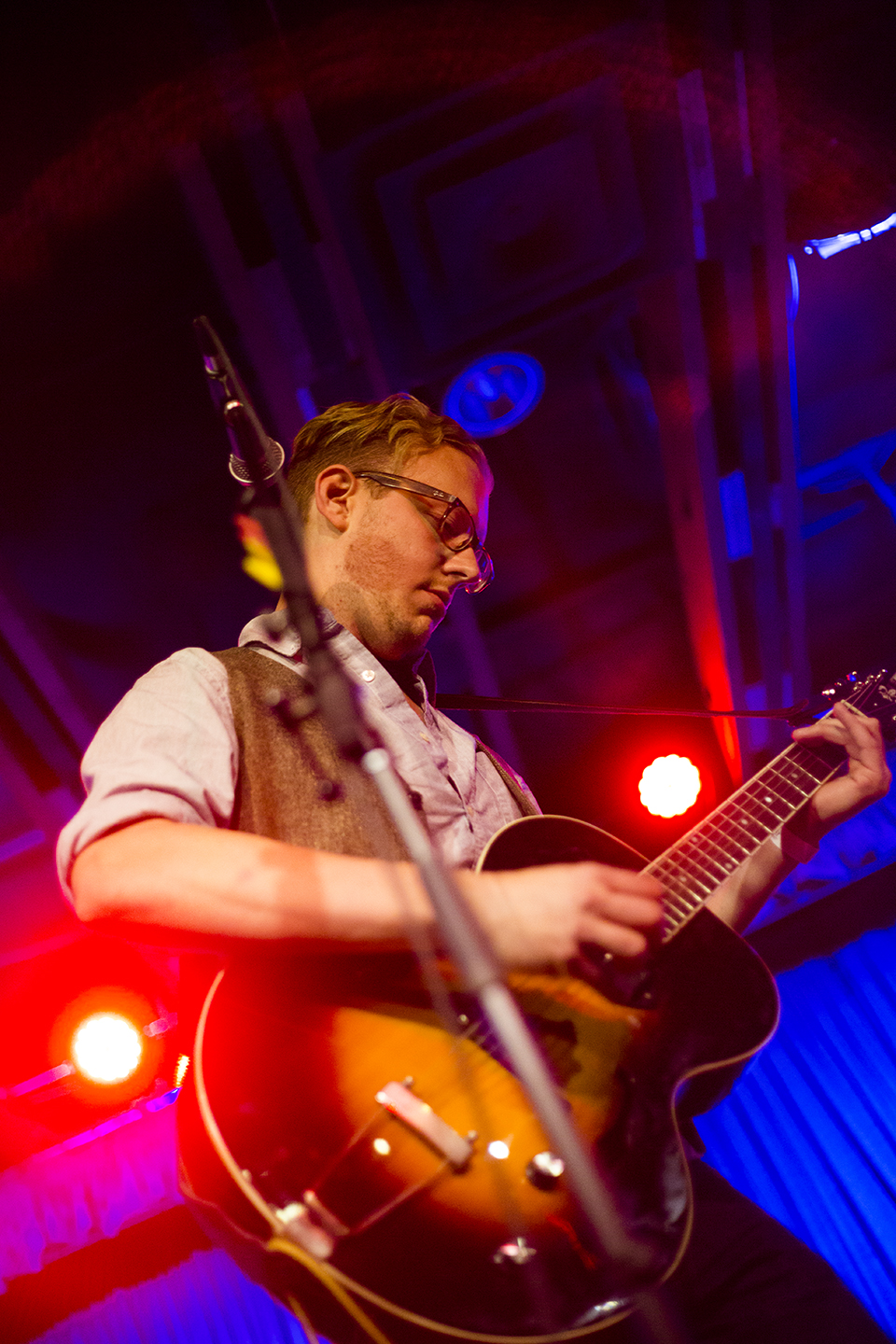
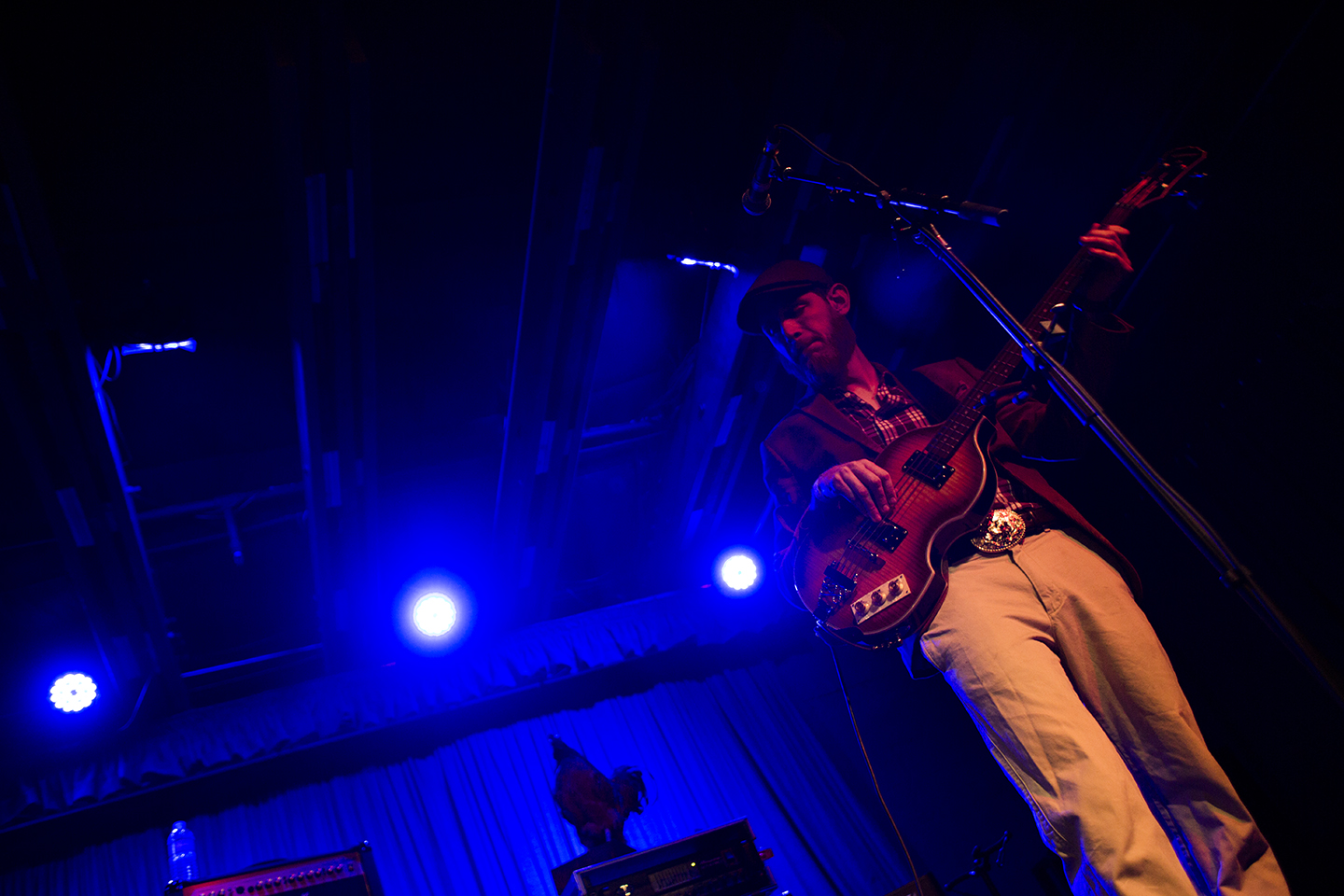
The photographs below are of the Senators and you can see some of their music here. The Crescent Ballroom venue has beautiful lighting and it really showed how great the 5D MarkIII handles low lighting situations.


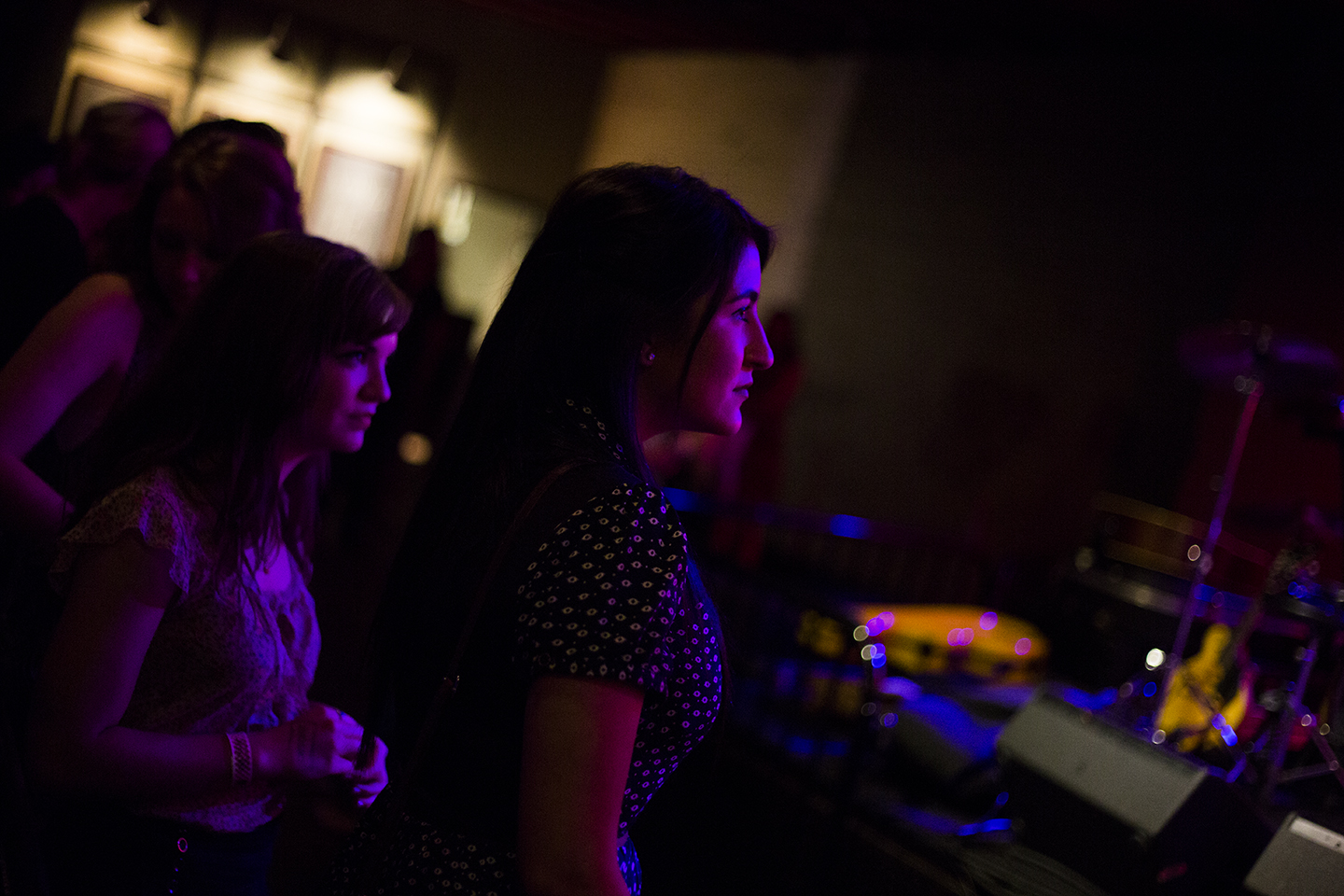
Fans listen to music below:


Santa Rita Center, si se puede y Cesar Chavez
Posted on March 27, 2014
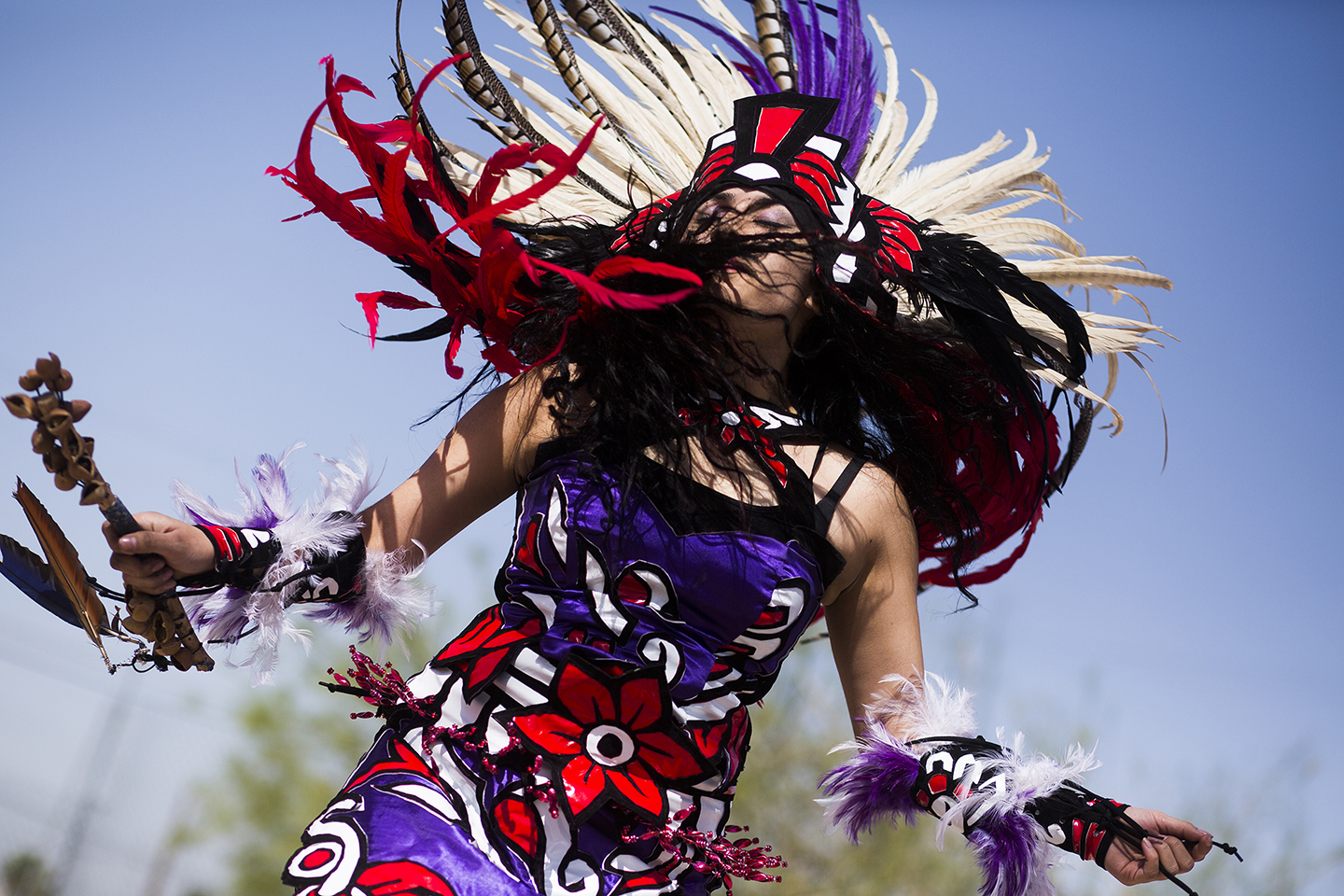
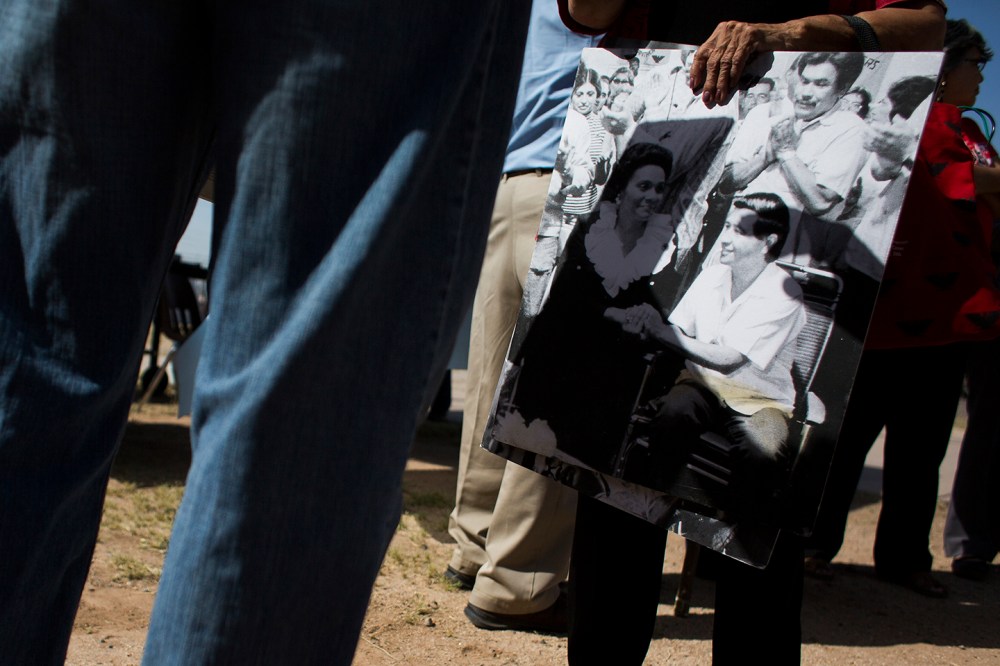
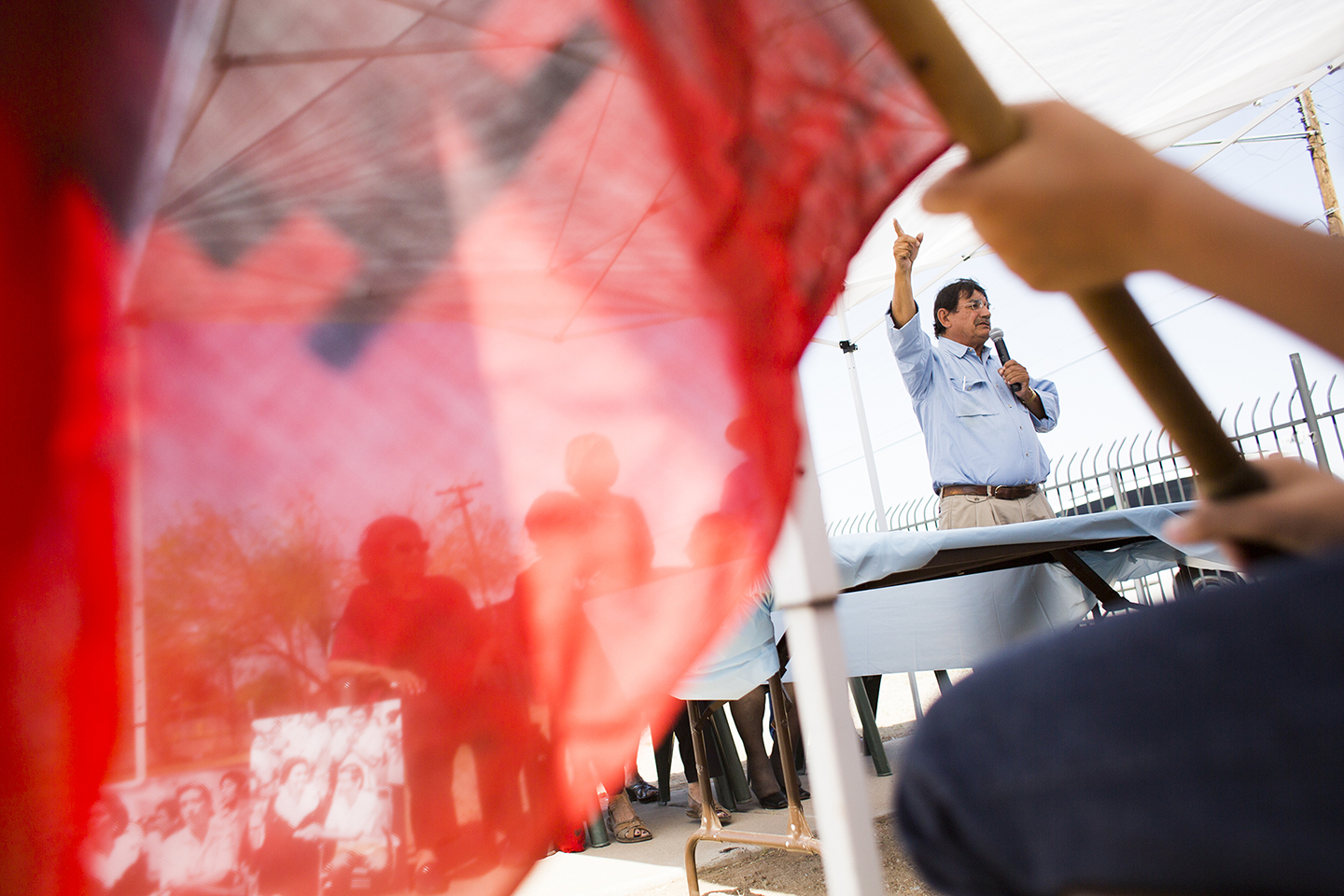
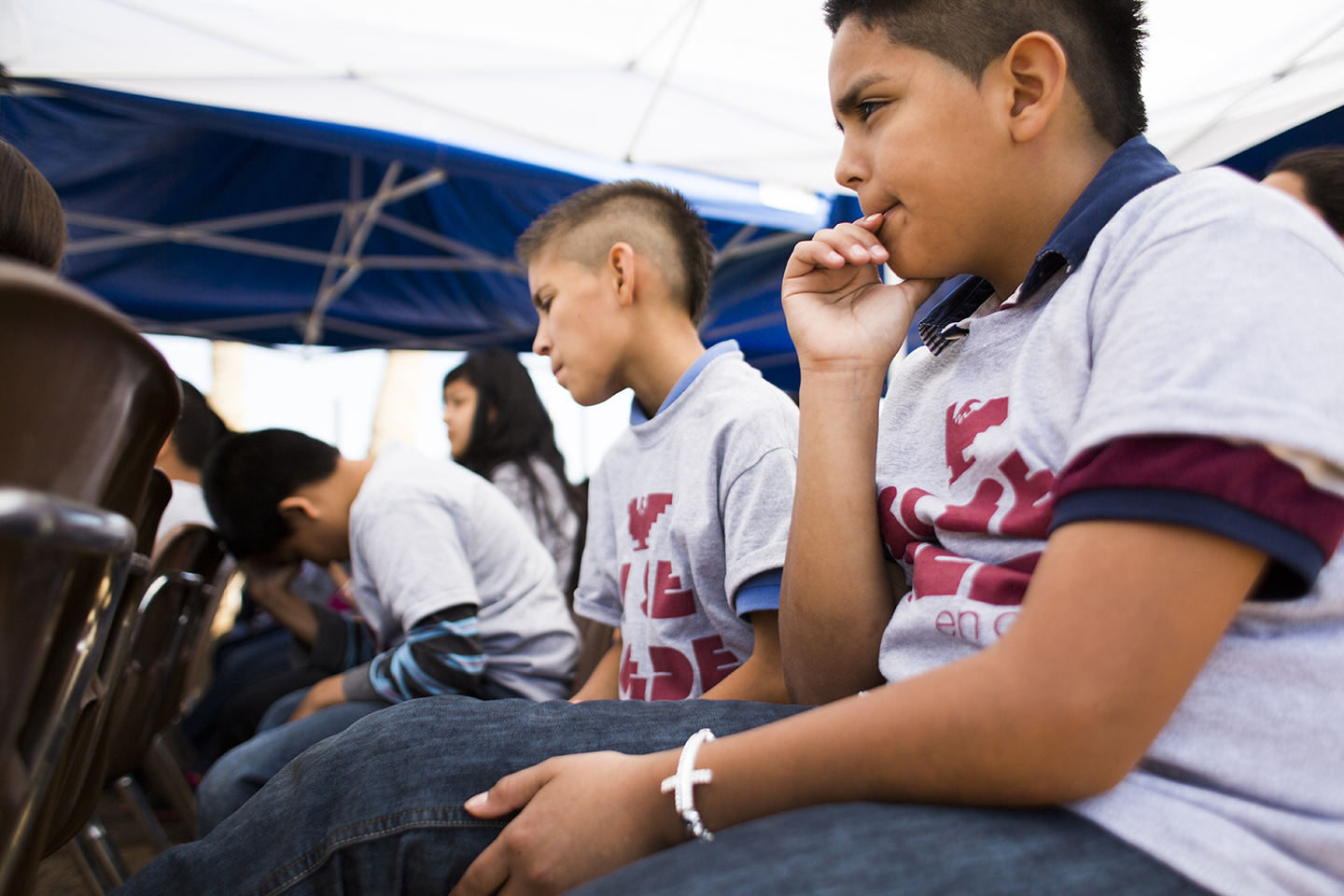
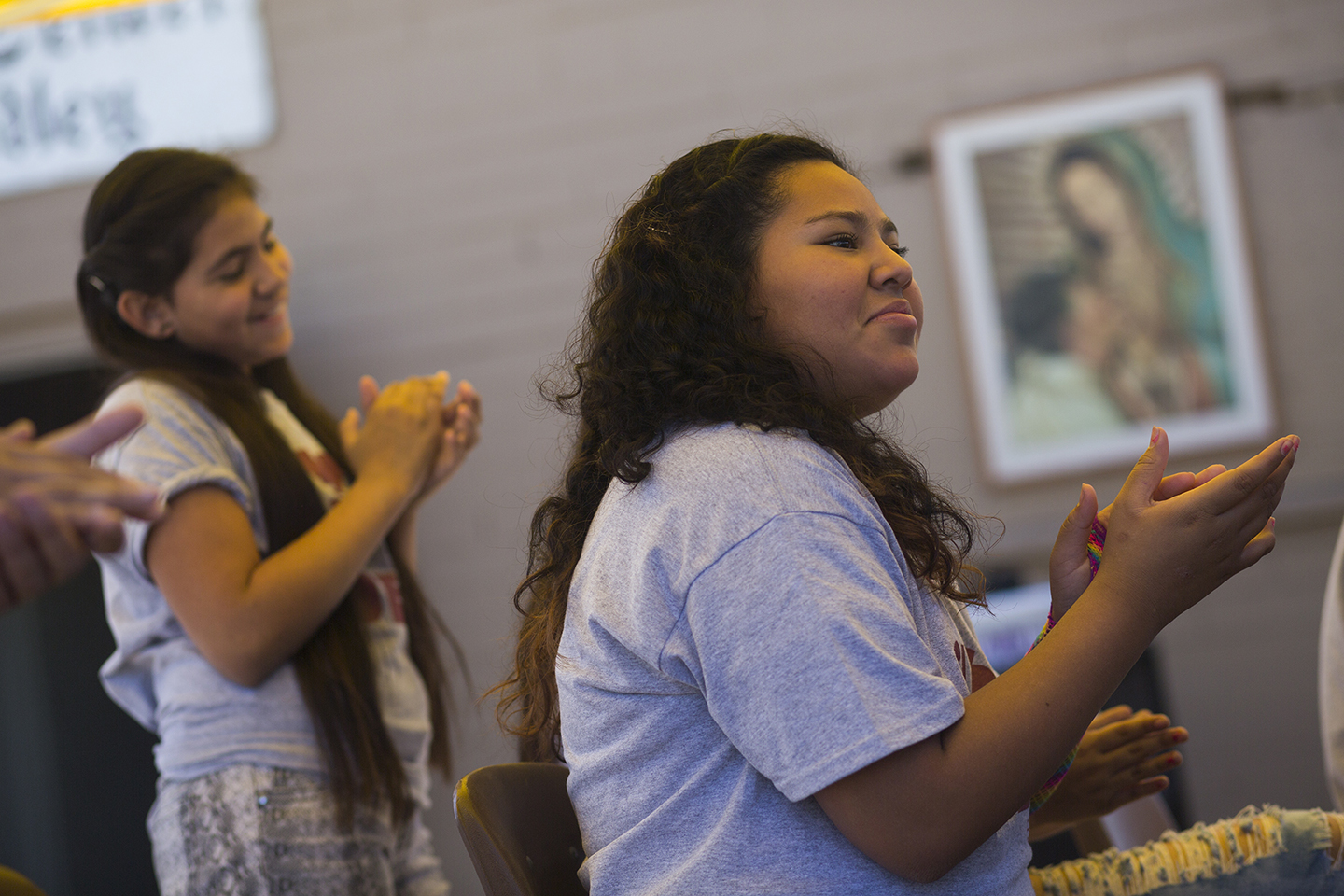
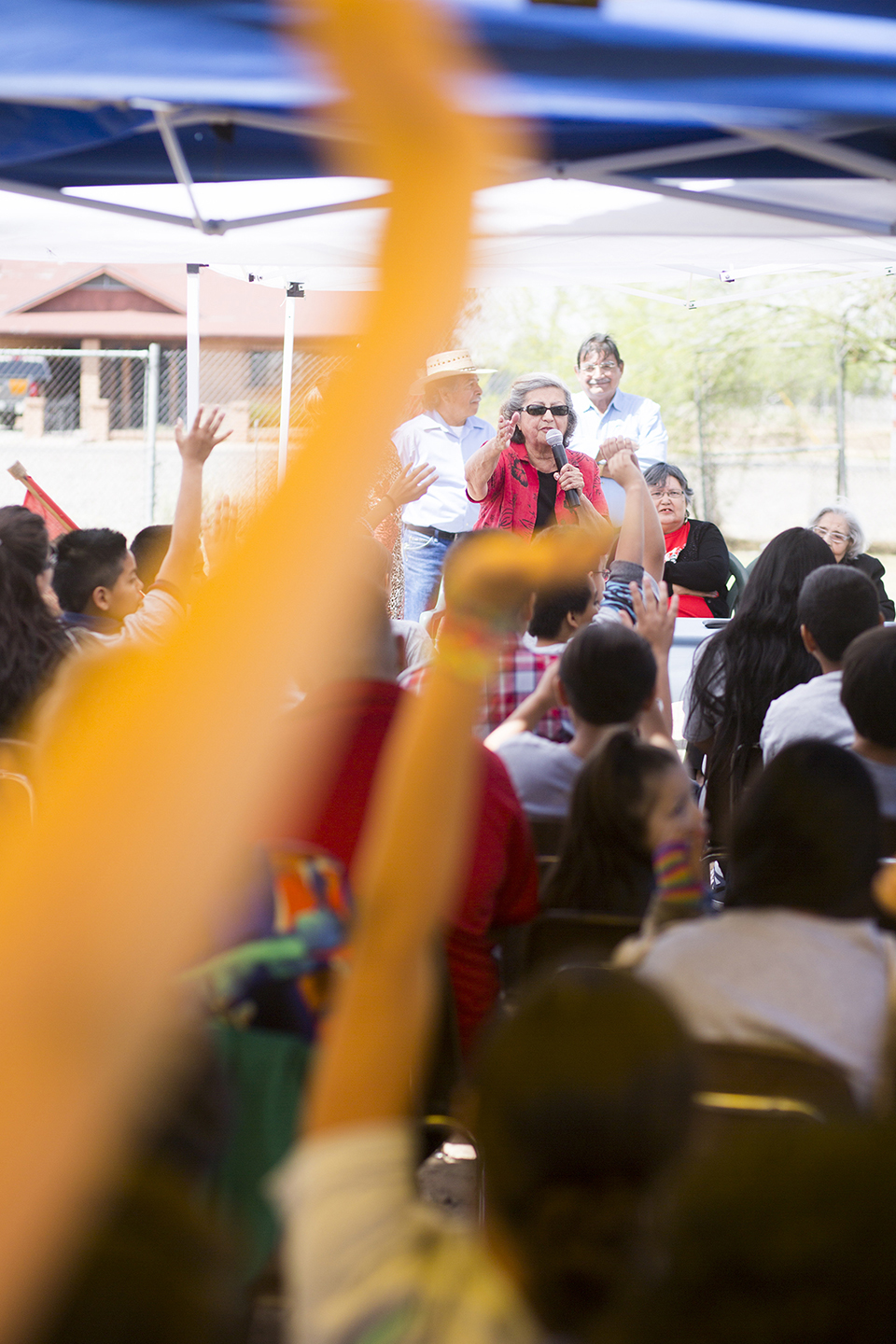
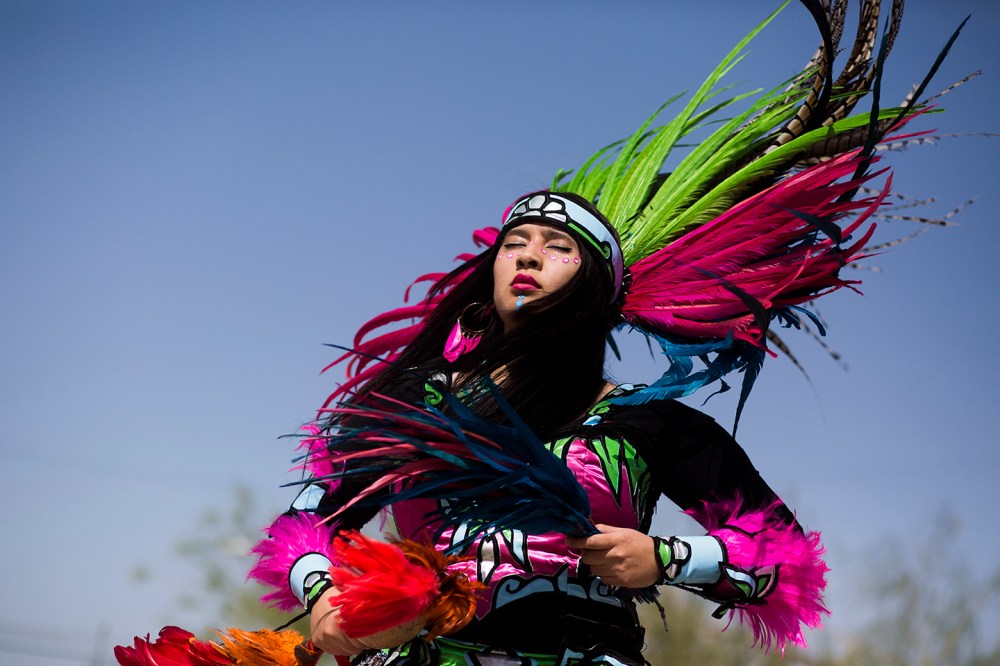
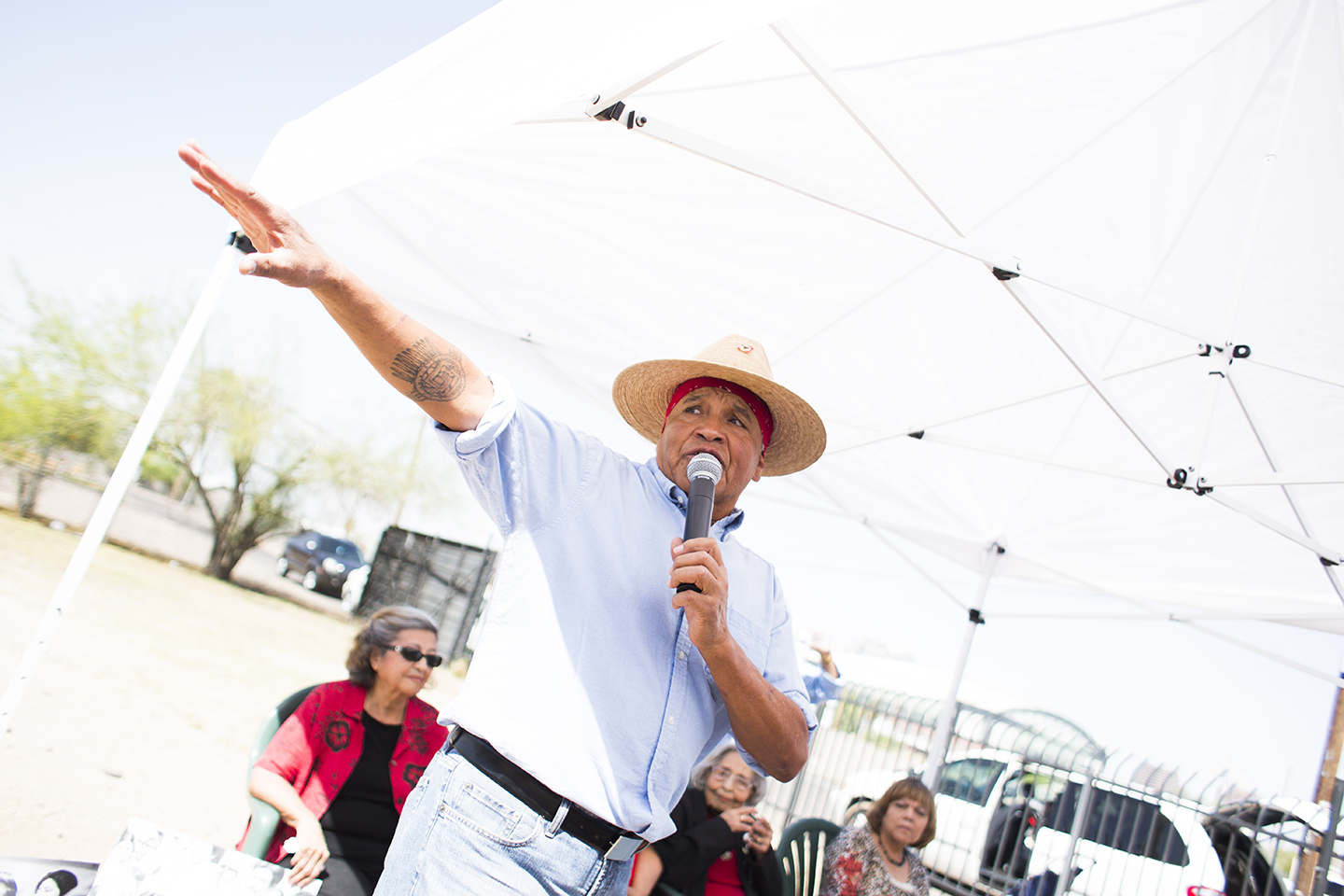
Today several organizers that worked with Cesar Chavez at the Santa Rita Center in downtown Phoenix spoke to children from Herrera Elementary School. They touched upon their memories with Chavez and the origin of the phrase “Si Se Puede” which has become a focal point of modern day Latino organizing. Chavez always supported Aztec dancers and the day began with two young women going by the names Tonatzin dancing. Later Jose Cortez and other organizers took the front to speak to sixth grade students about their history with Chavez. What struck me was by the emotion that still hung in their voices 42 years after Chavez’s 24-day fast and their urging for children to look up to this figure who in many non-Latino communities is not well known. Organizers spoke about their experience working in the fields, organizing communities to strike and demonstrate together. At one point organizers spoke of the terrible conditions farm workers faced and described weeding on their knees for hours on end. They asked the children to get down and attempt to pick up stones from the ground on their knees and of course the children laughed at the novelty of the experience, it was so outside the realm of their own experience. Some children later said they wanted to be like Cesar Chavez and when asked, responded that they were good leaders. There was such true happiness exuding from the organizers at hearing these words, they stressed that we can be good followers but leaders, strong leaders like Chavez, were hard to find. One speaker provided quotes from Chavez, prompting me to search his other quotes. This one stuck in my mind:
“Once social change begins, it cannot be reversed. You cannot uneducate the person who has learned to read. You cannot humiliate the person who feels pride. You cannot oppress the people who are not afraid anymore. We have seen the future, and the future is ours.”
The Santa Rita Center is being considered in a federal proposal as a site to honor Cesar Chavez Phoenix Historical Property Register. Currently it holds a variety of murals, but there is no running water and electricity as shown in the silhouette photograph. It was a site of such importance for a generation, it will be interesting to see what it becomes for future generations.





Desert Sightings at the Deer Valley Rock Art Museum
Posted on March 25, 2014

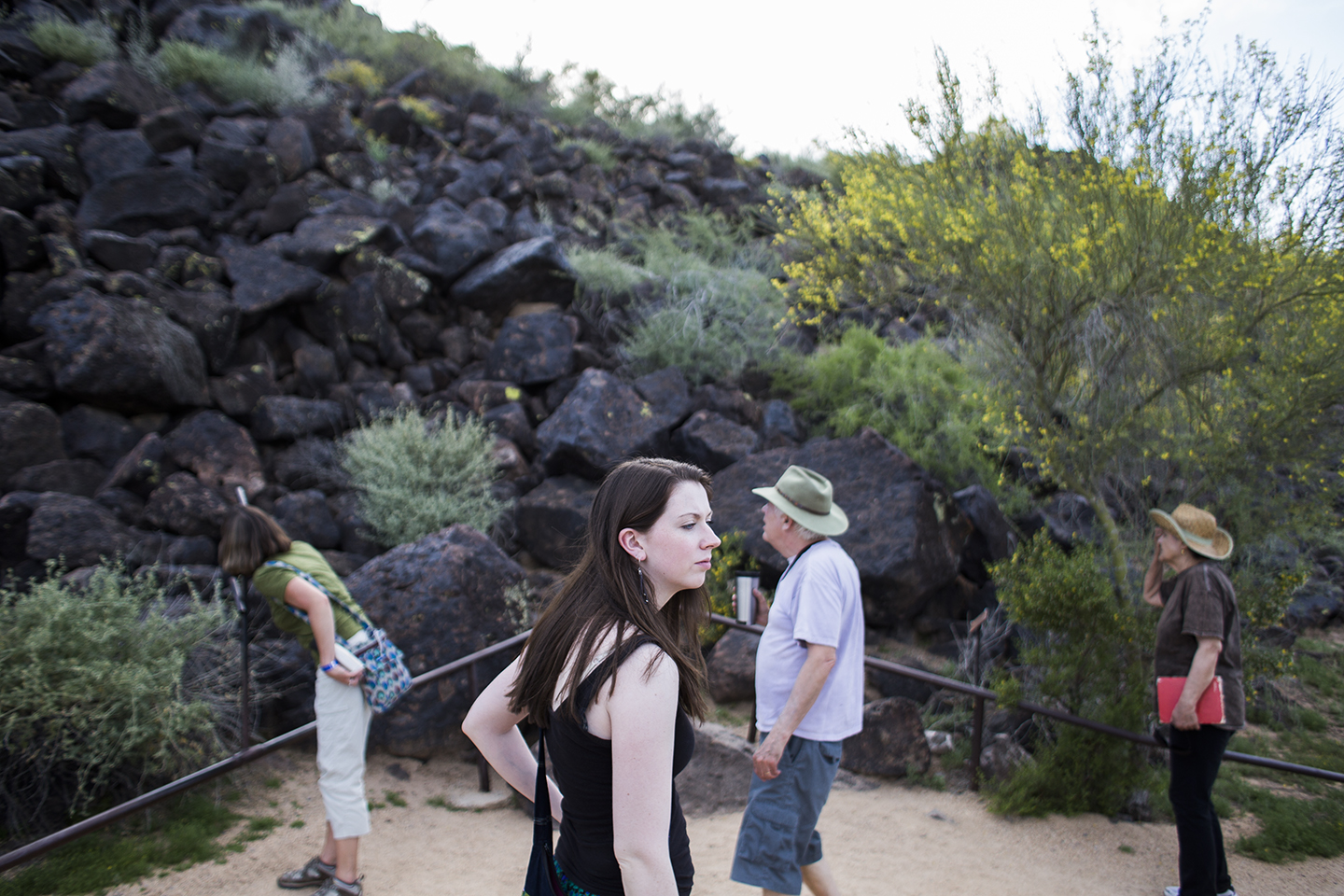
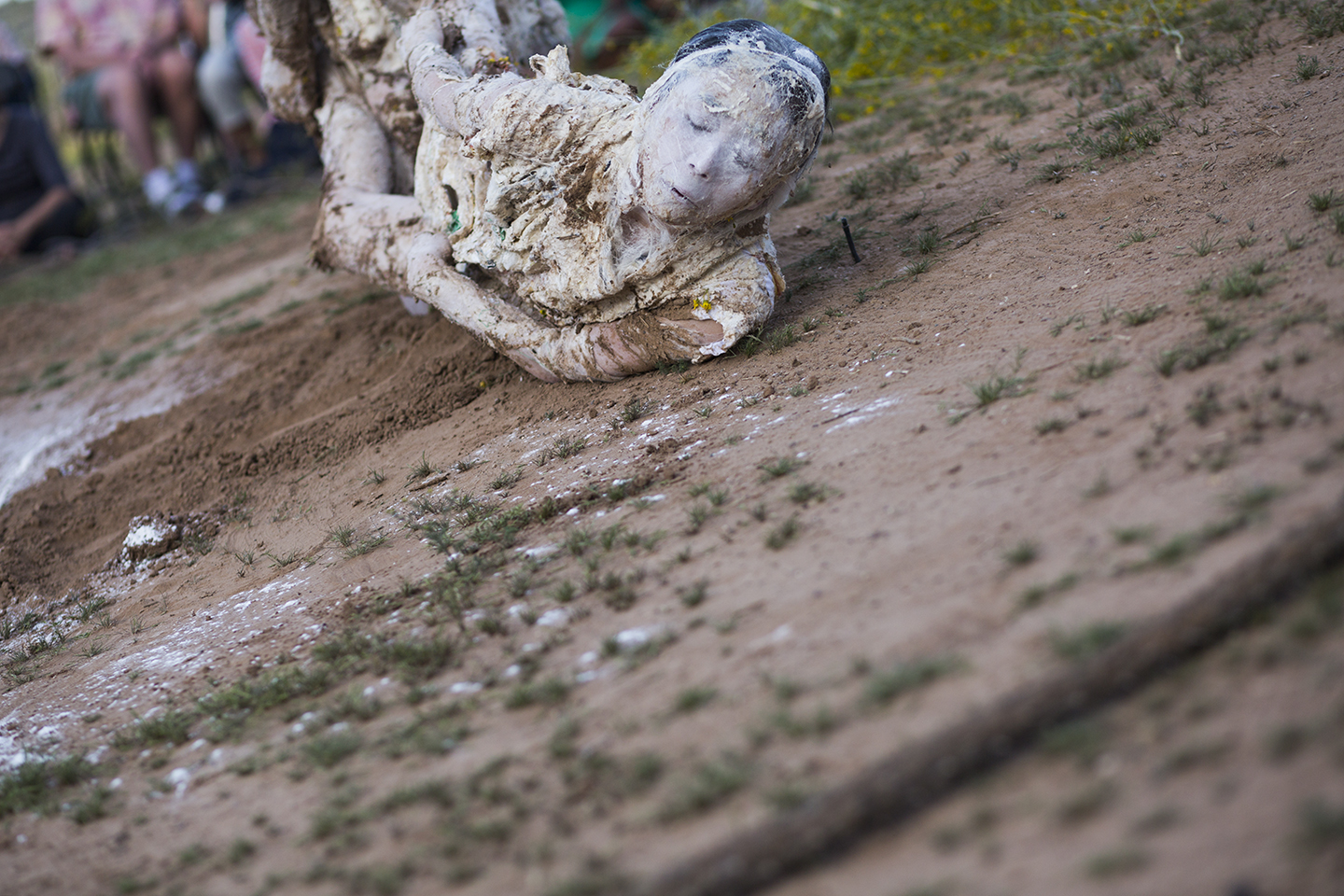
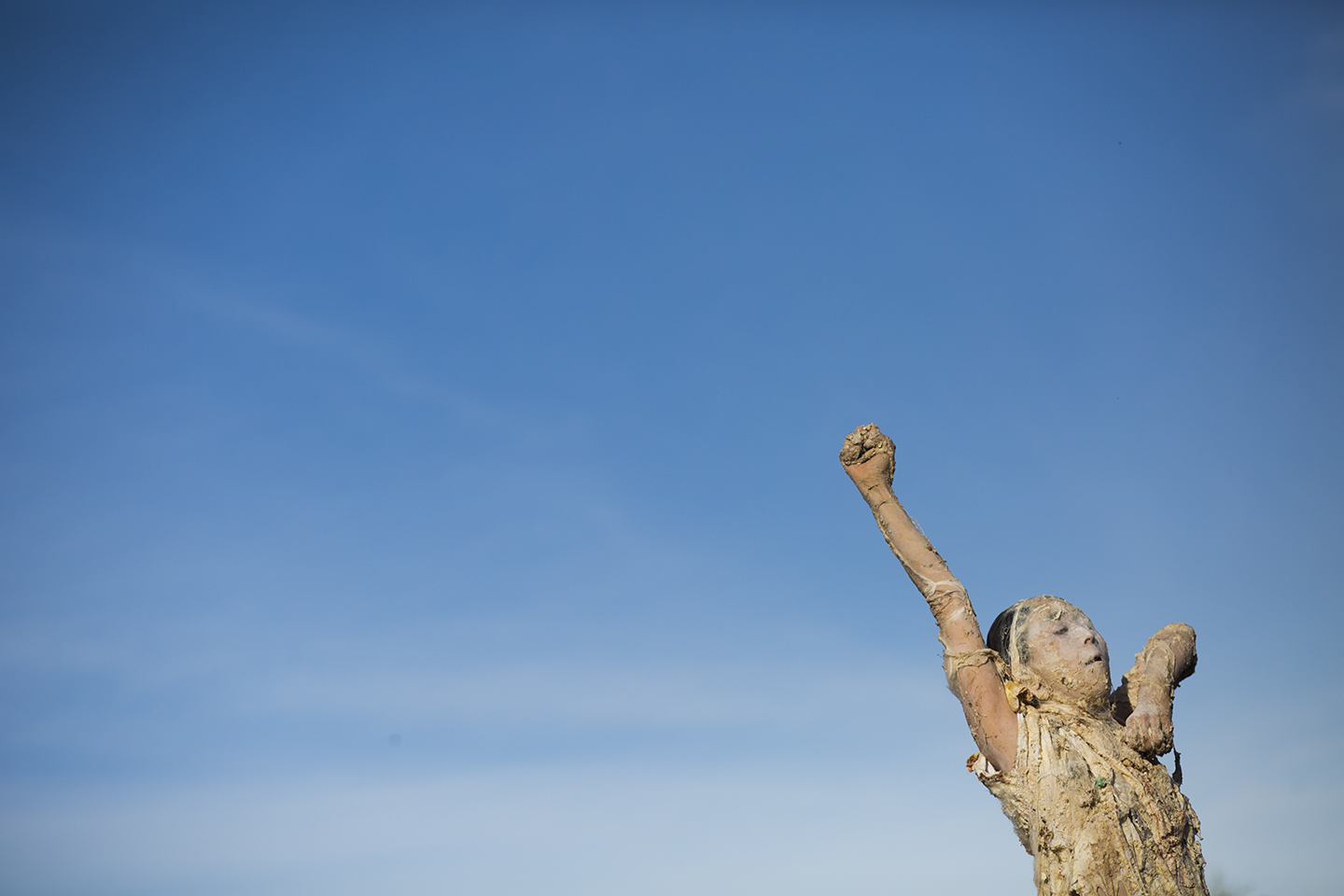
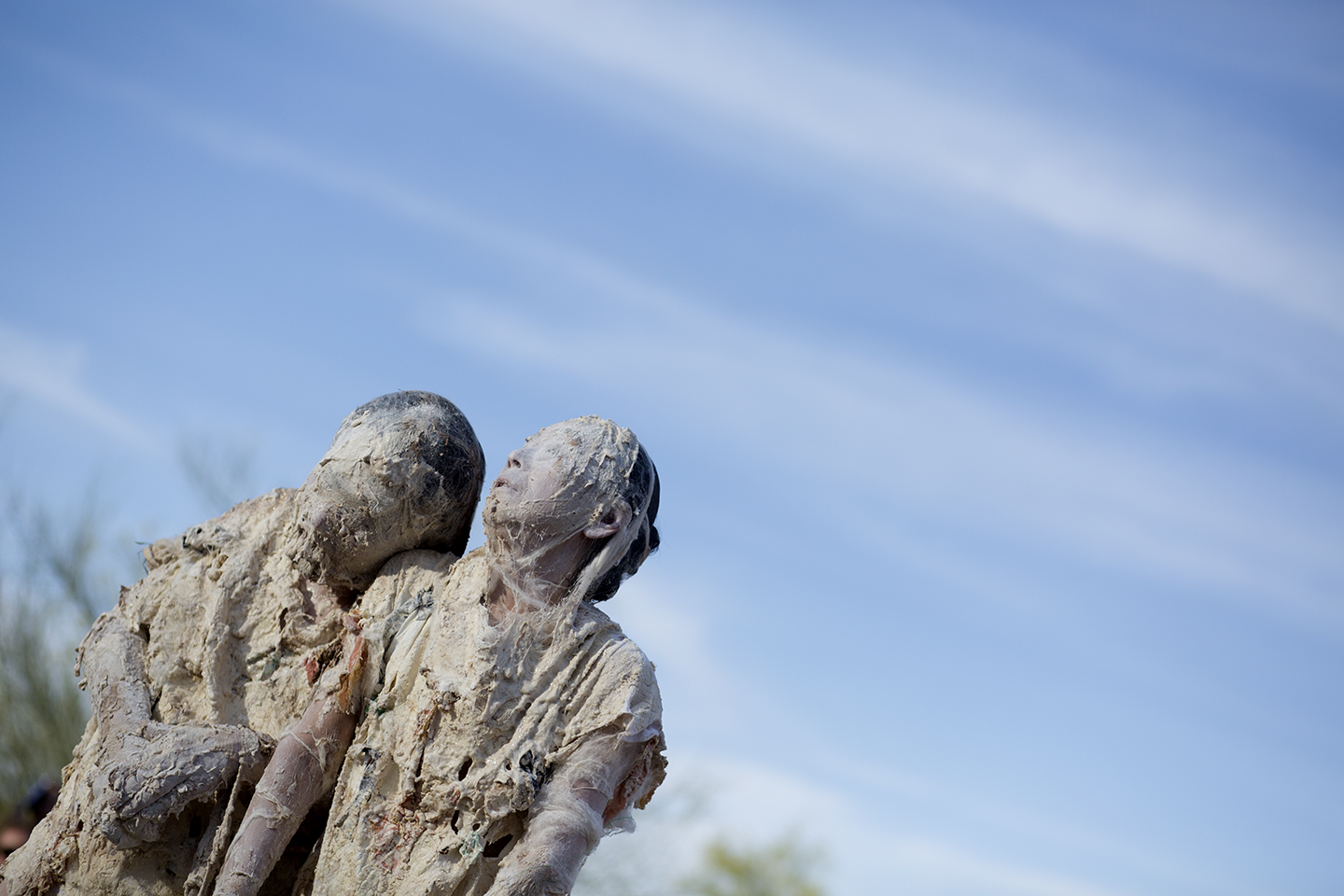
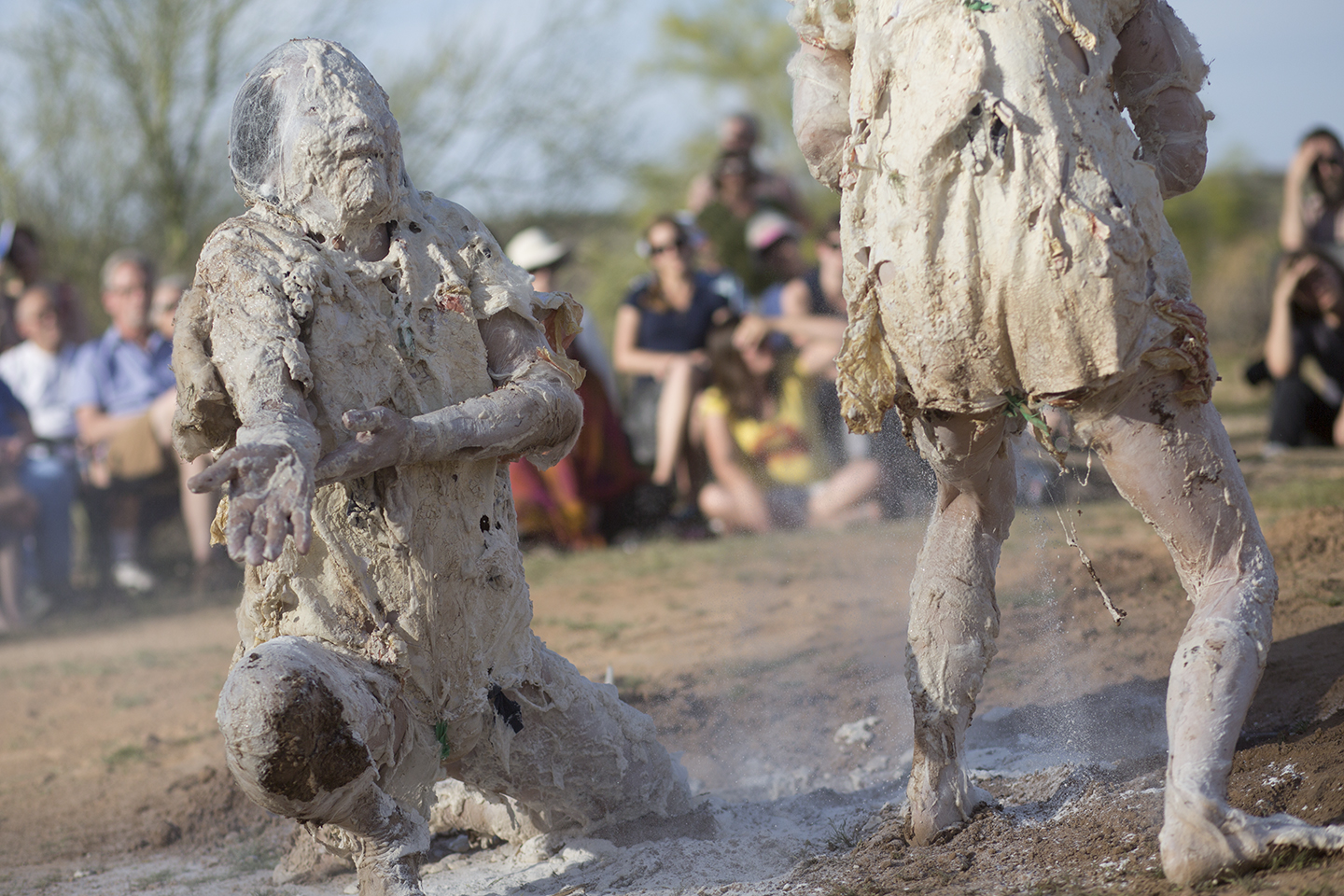
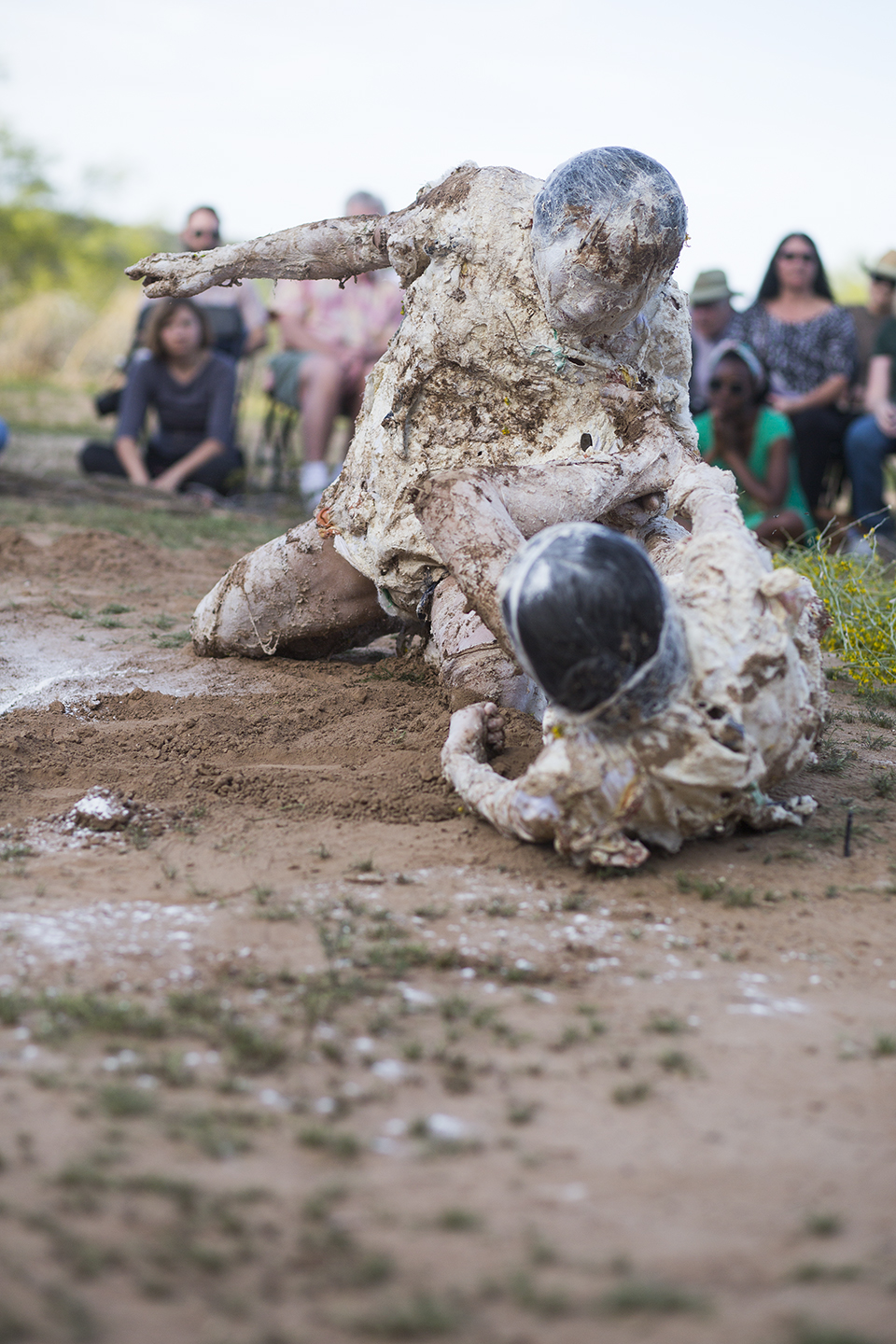
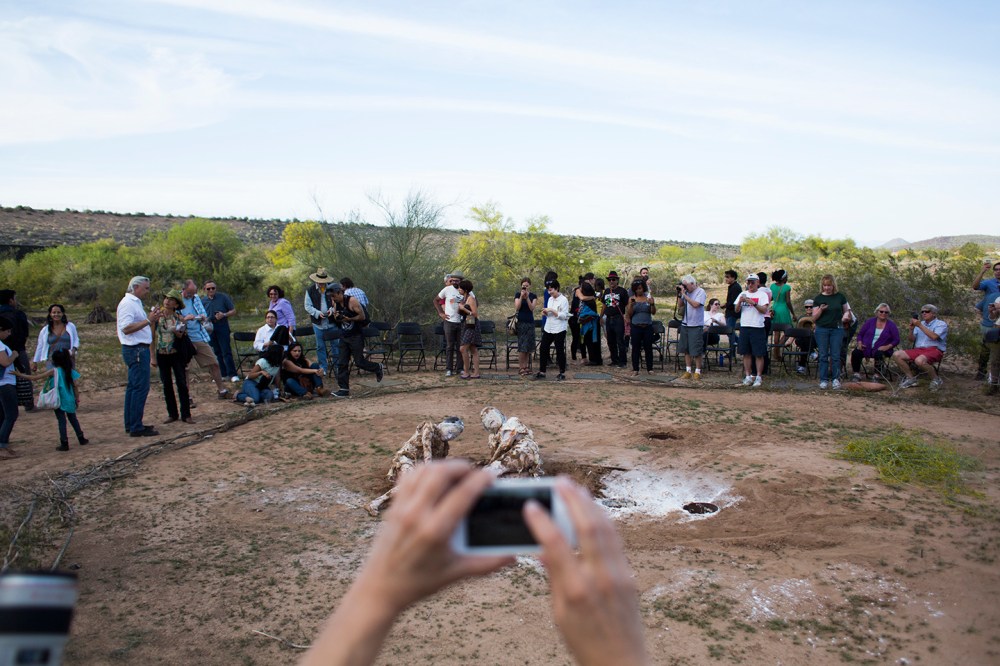
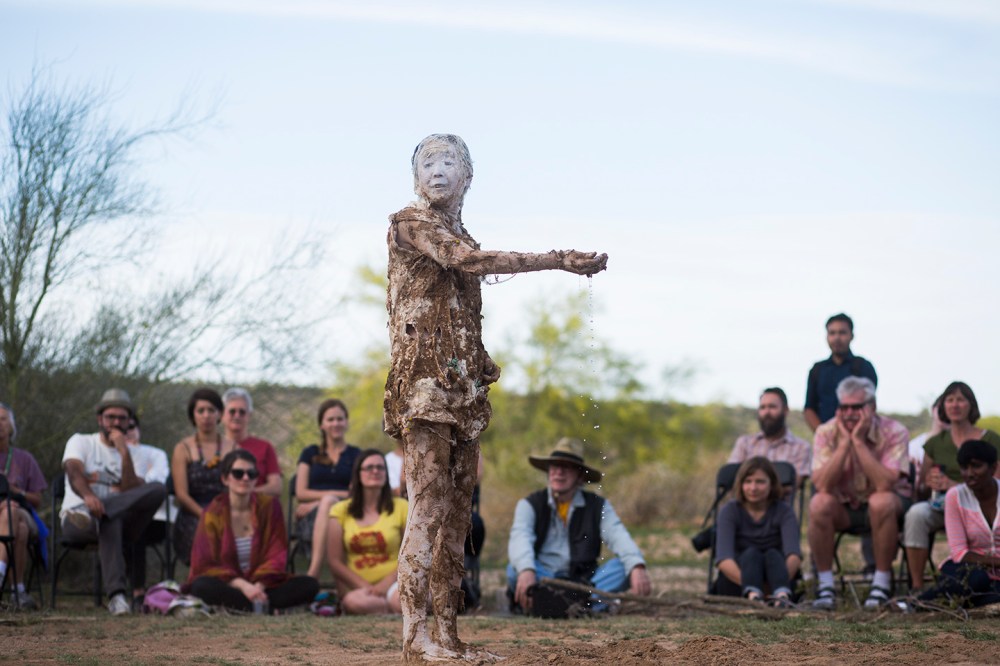
Have you ever heard of Butoh? Before Sunday’s performance of Desert Sightings at the Deer Valley Rock Art Center neither had I. Butoh first appeared in post World War II Japan and based in the idea of turning away from Western styles of dance, ballet and modern performance and to rediscover and redefine what it meant to be Japanese (1). Artists Eiko and Koma don’t characterize their work as Butoh, but claim Kazou Ohno, a pioneer in Butoh, as a main source of inspiration. Wikipedia describes the performance style as utilizing playful and grotesque imagery, extreme or absurd environments and using white body make up with hyper-controlled motion. I suppose this area of quiet desert with thousands of petroglyphs butting up at the edge of the city, seems a fittingly extreme and nearly absurd environment.
We were escorted as a group to the area the performance would take place. There was a small circle with a pile of dirt in the center covered in candles and Eiko laying still in the center in the bright sun. A large bunching of palo verde branches were piled into one area of the scene and dried pieces of ocotillo and wood created the performance space. Koma hobbled/walked into the circle with a large stick and candles lit on the end. He lit the cake of earth and slowly began to interact with Eiko. They had created three small wells, each holding different materials. The first water, secondly a white mud-like substance and lastly a powder. After some time they began to give each other first the water, then the mud and finally powdered themselves. Their movements were slow and akward, reminding me of a placid horror movie set in the Arizona desert. I couldn’t begin to understand the decisions governing each movement, but I found the point is for the viewer to create their own interpretation of the scene. I still don’t know what to think, two days after the performance, but I enjoyed the idea of utilizing such strange and alien movements in a performance. I suppose it makes you question the idea of what constitutes beauty in performance and provides you with more questions than answers.
At the conclusion of the performance, which took a moment as the slow movements led the audience to wait patiently if perhaps Eiko and Koma would come back to life, the artists took questions. I found it interesting that different people in the audience asked for meanings behind certain movements. One woman noticed how Eiko pushed away Koma at one moment or the meaning of Koma dripping water onto Eiko. A performance like this one seems beautiful because its’ interpretation is so unique from individual to individual. I feel we as viewers wanted to see deeper themes of life and connection in the performance and they wouldn’t tell us what to think. Eiko simply said she wanted to make a mess, but not too big of a mess.








Cactus League Spring Training
Posted on March 17, 2014
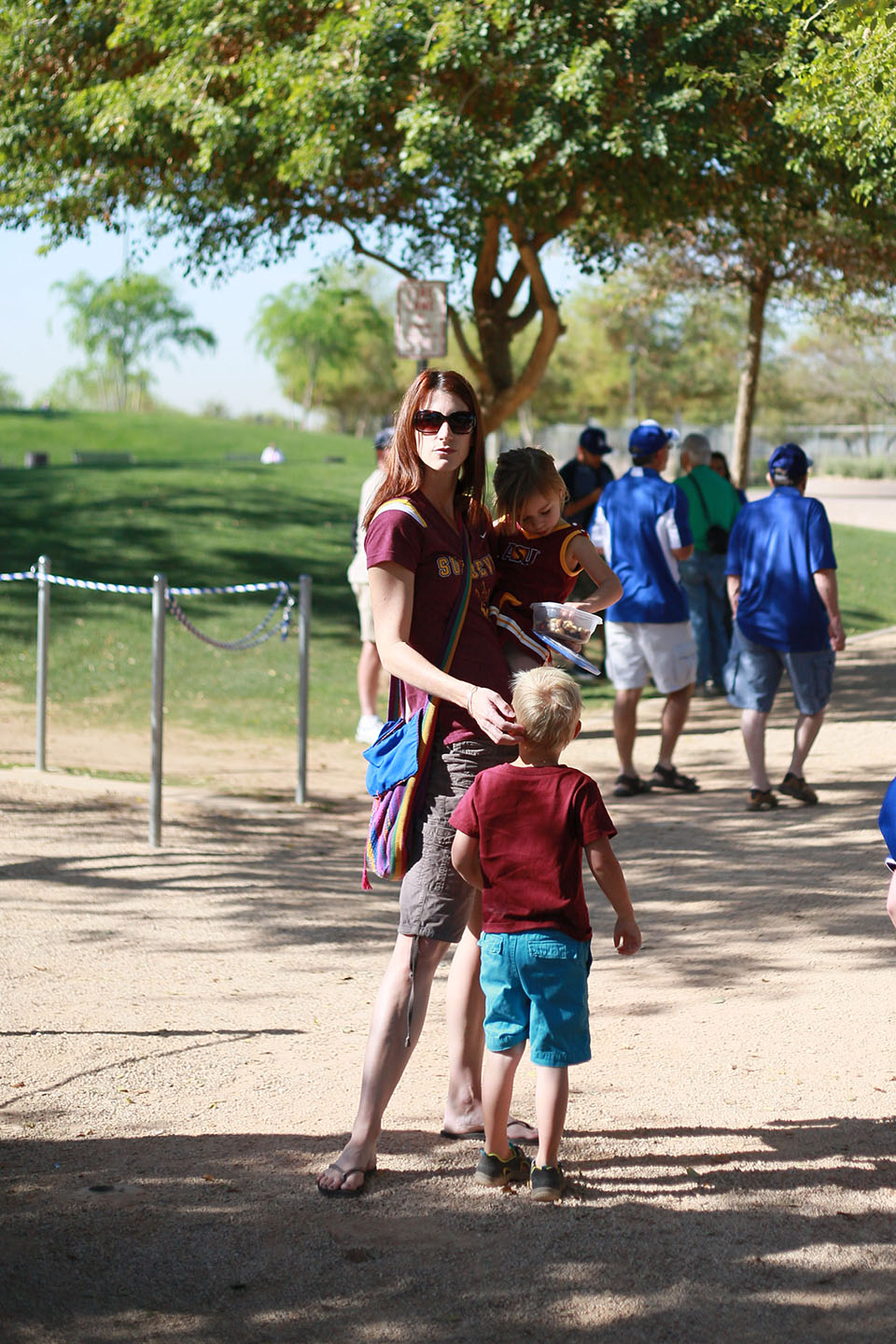
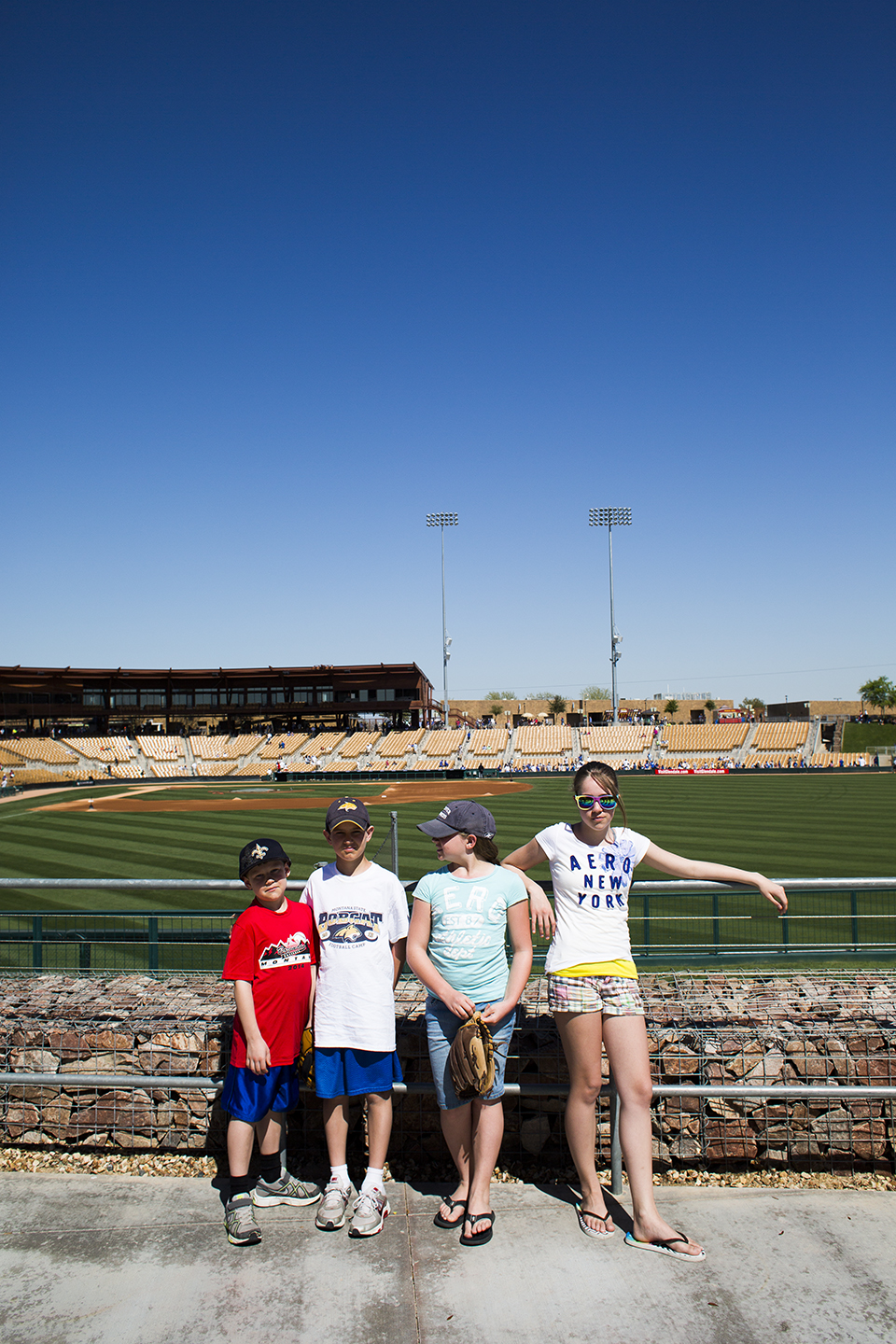
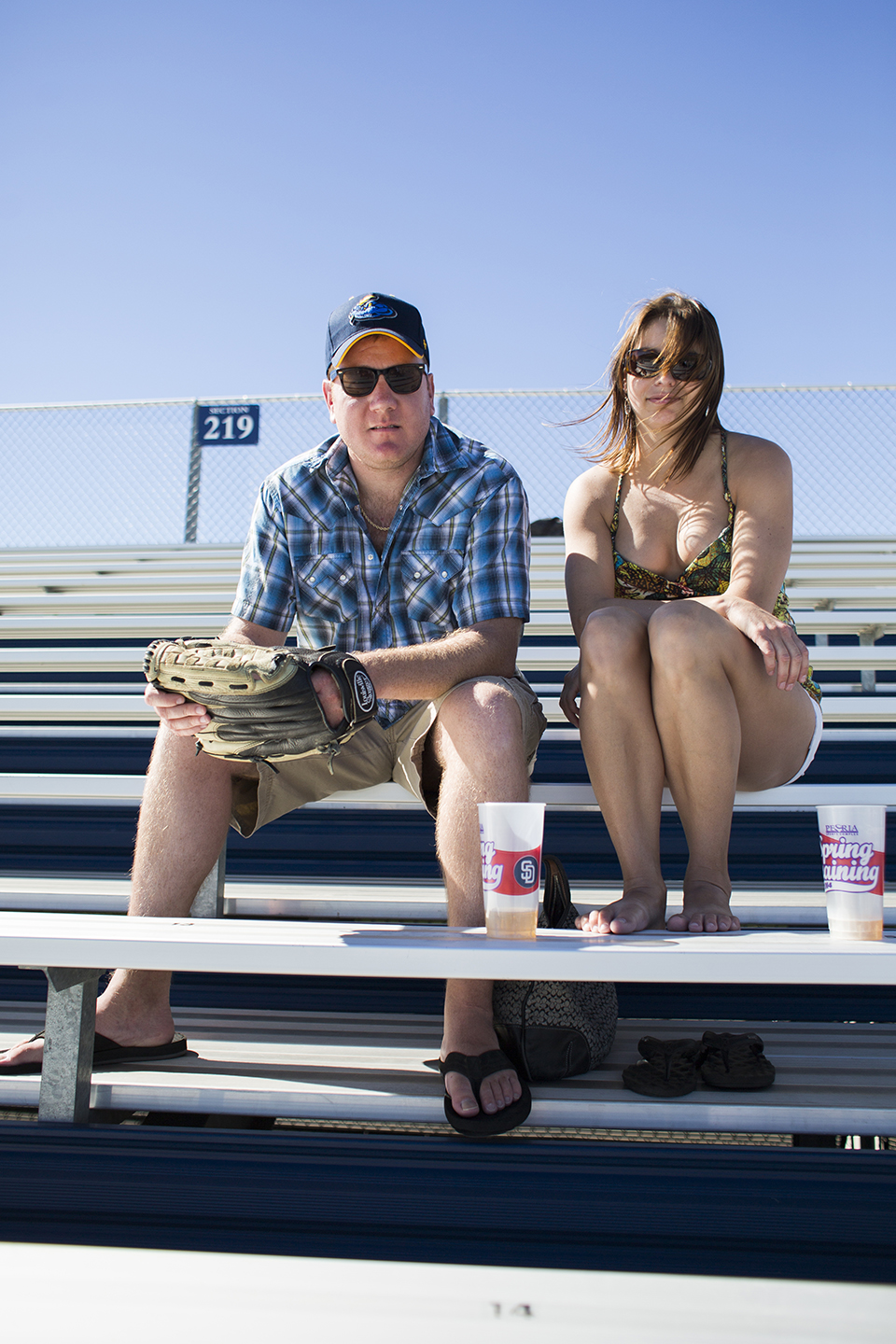
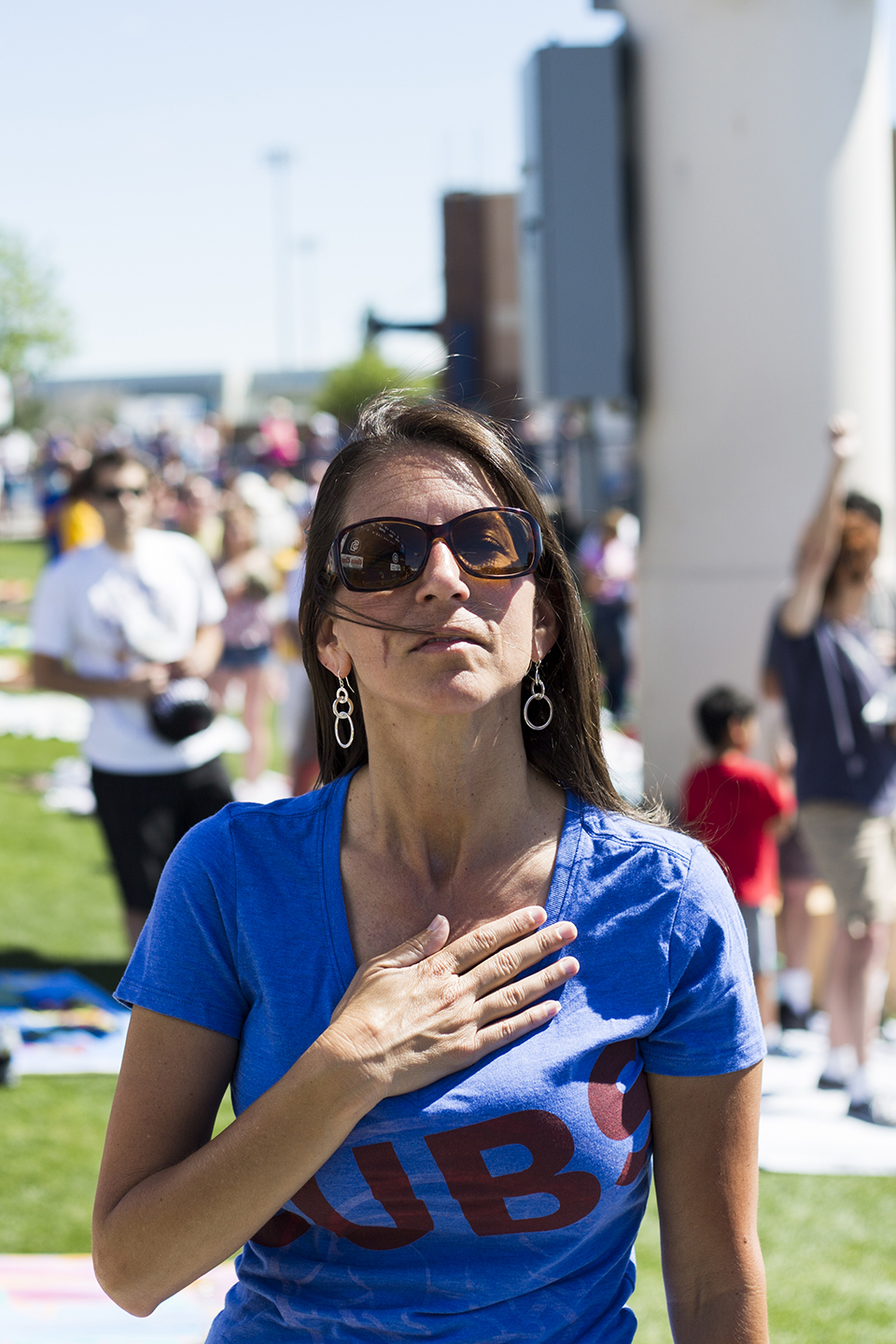
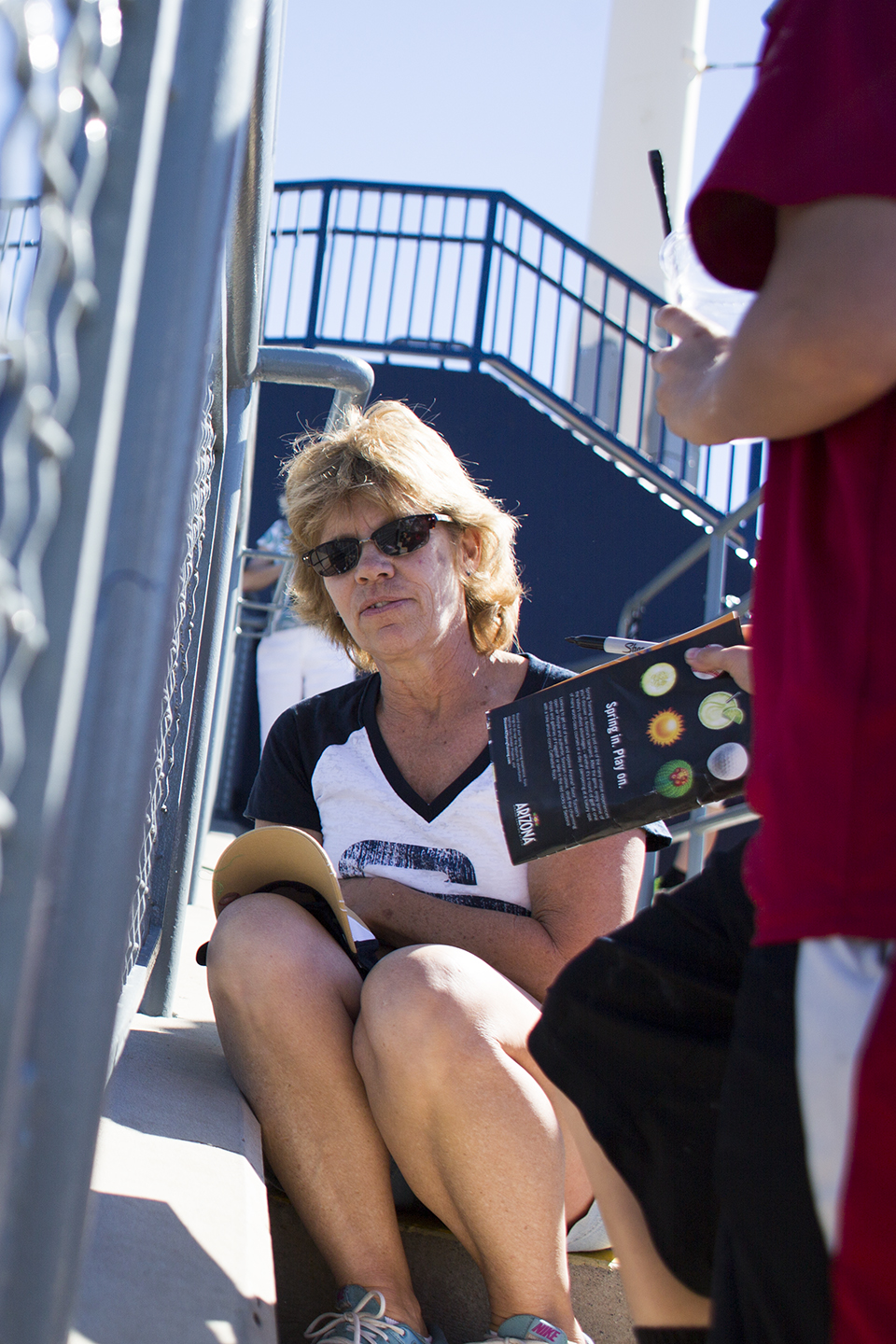
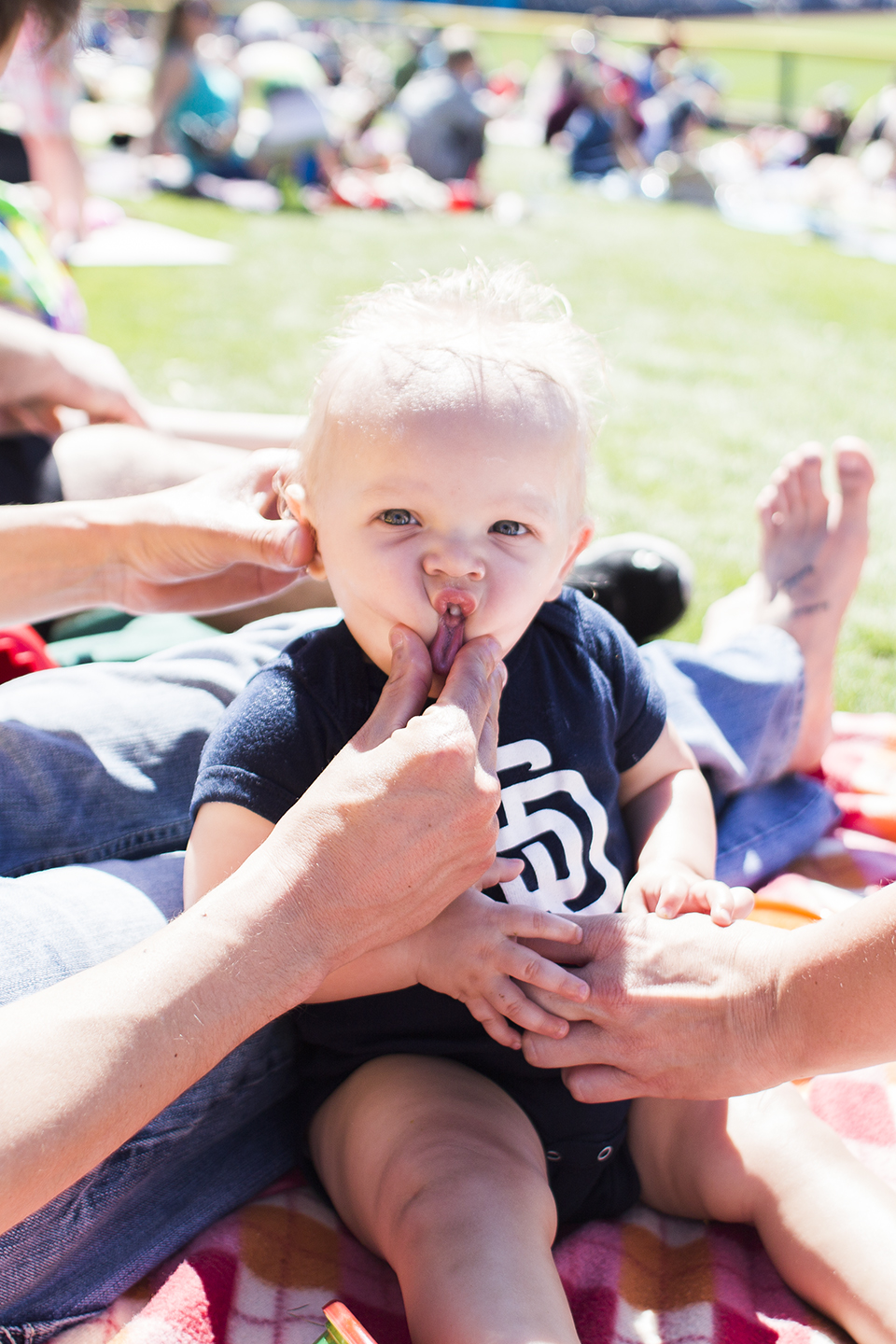
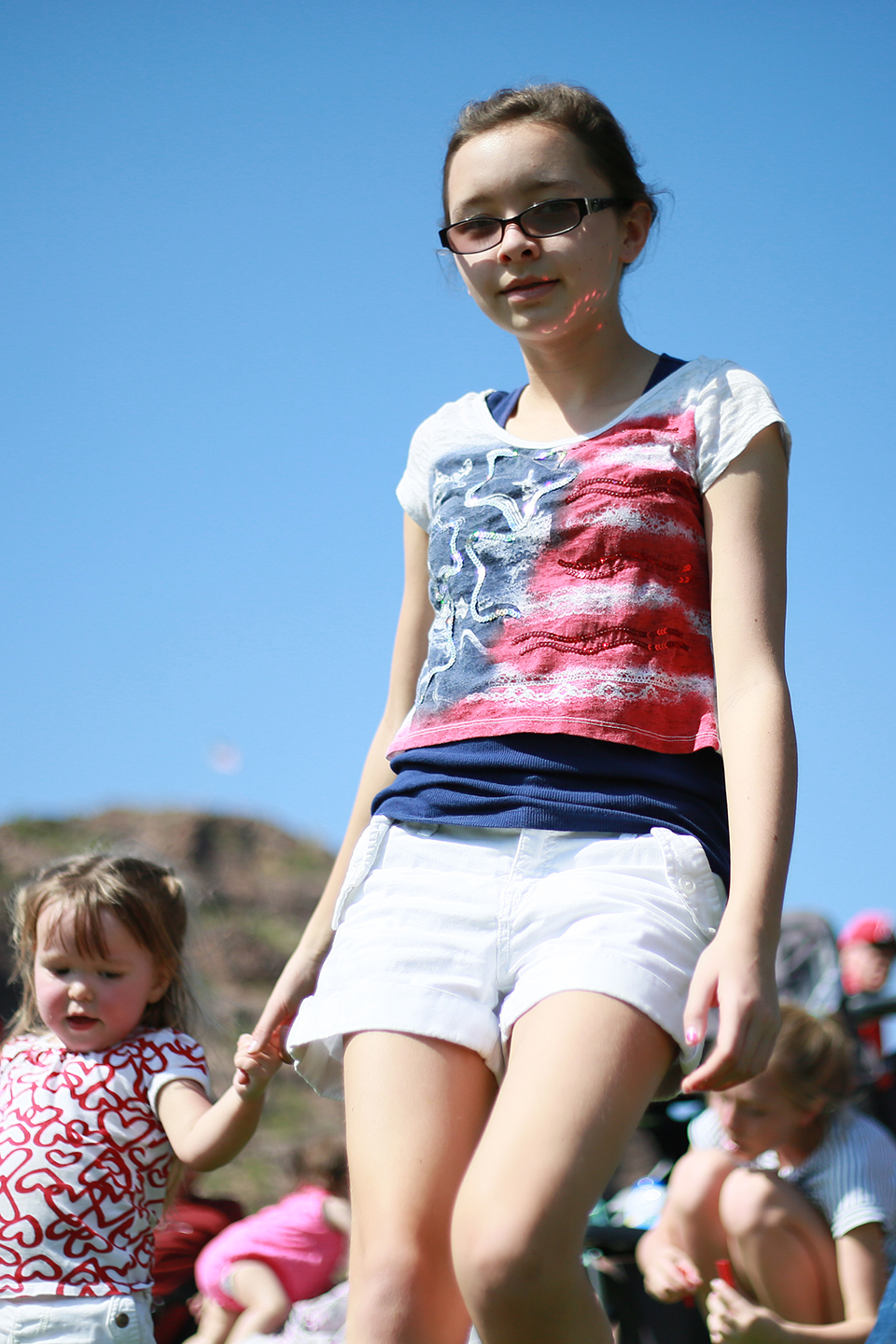
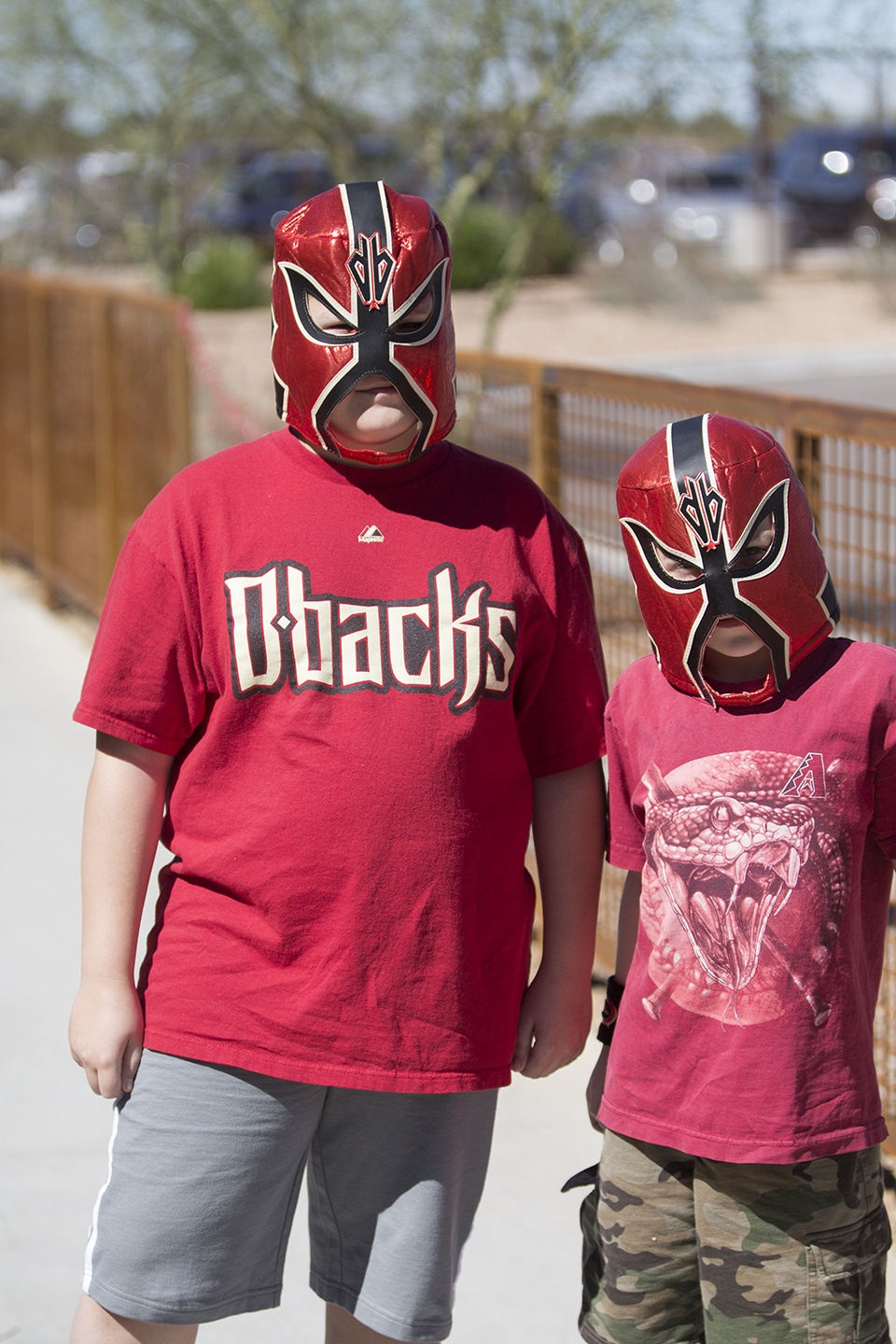
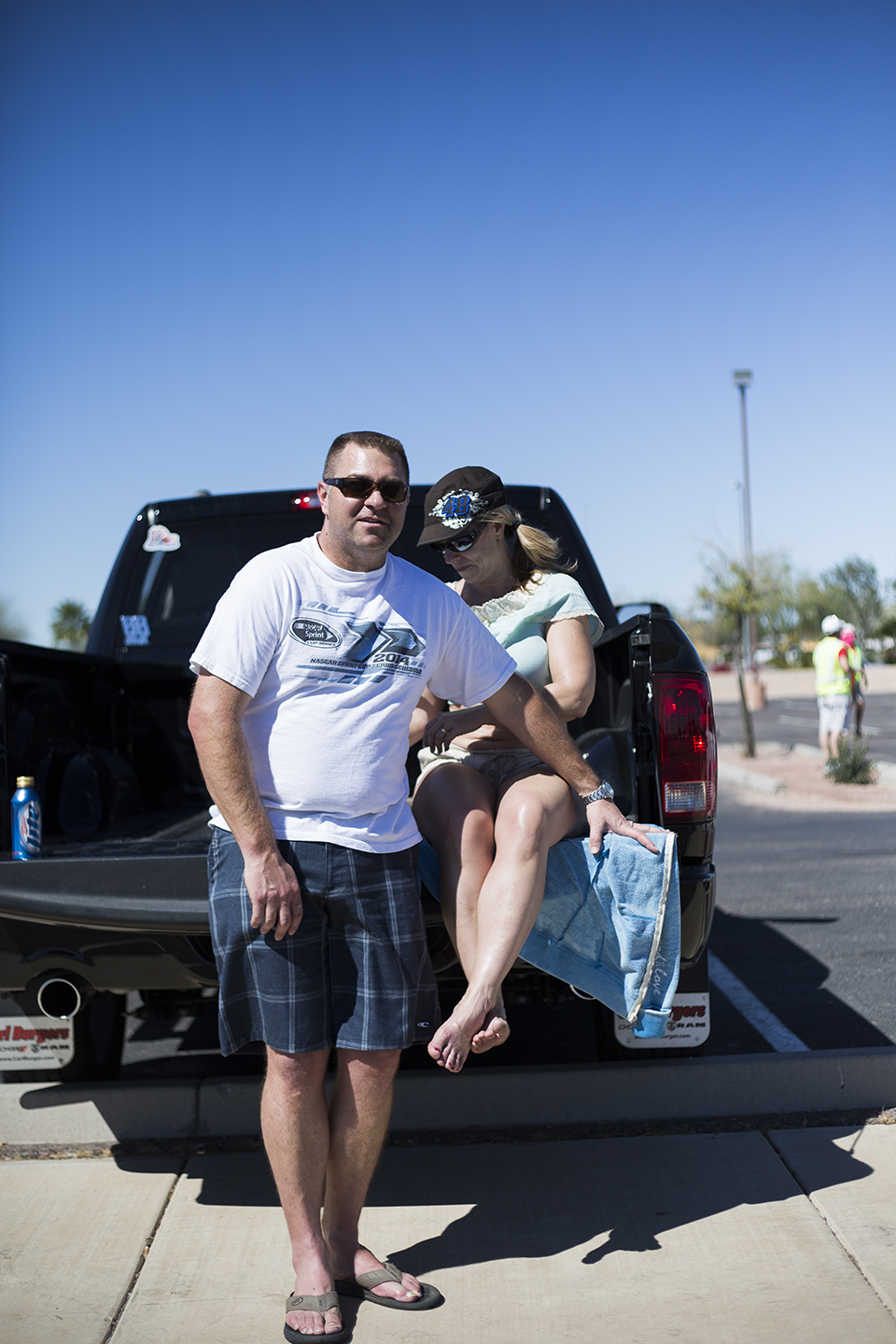
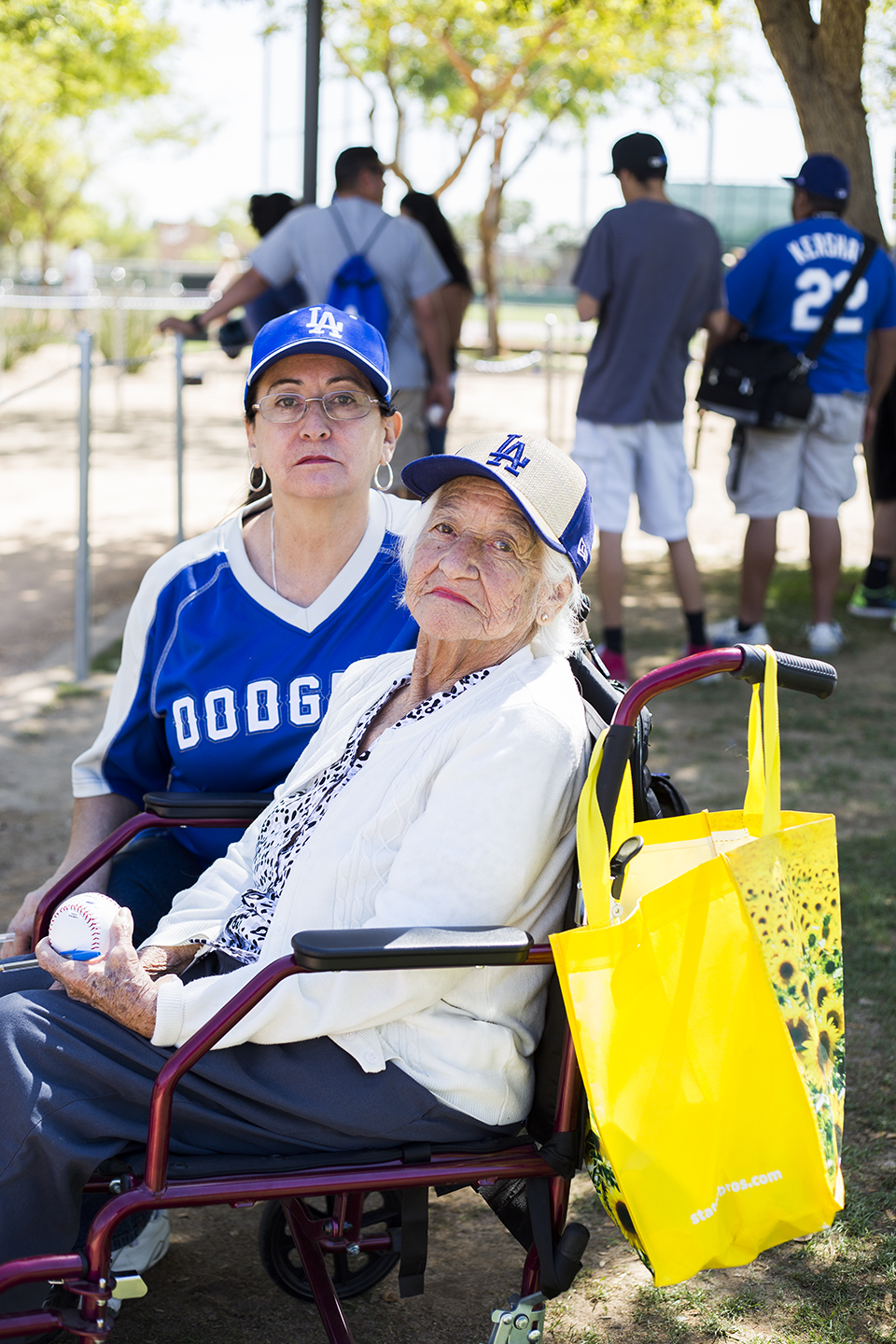
I had a great opportunity to go out and shoot spring training at a variety of stadiums around the Phoenix Valley area for a freelance assignment. I loved the fans, and during some down time I was able to shoot some portraits from the different stadiums. It’s Arizona sunlight, but I still enjoyed shooting these.





















Jessie and Alan’s Engagement Photos
Posted on March 1, 2014

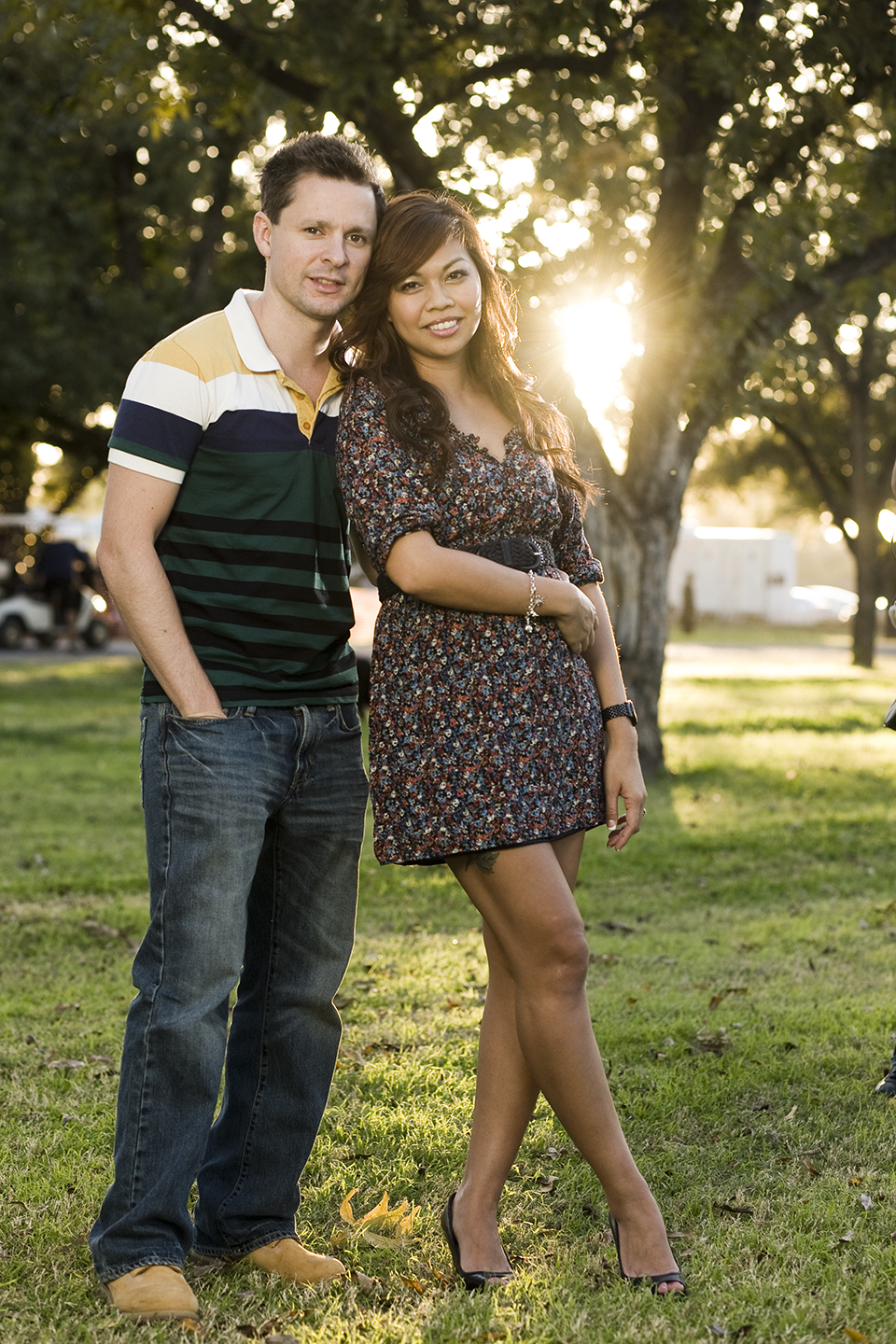
A short time back I was lucky enough to photograph Jessie and Alan while they were in Phoenix planning for their wedding in 2015. We shot in South Phoenix and got some really lovely sunset light, along with a reflector and two off camera flashes.


Camilla
Posted on February 10, 2014

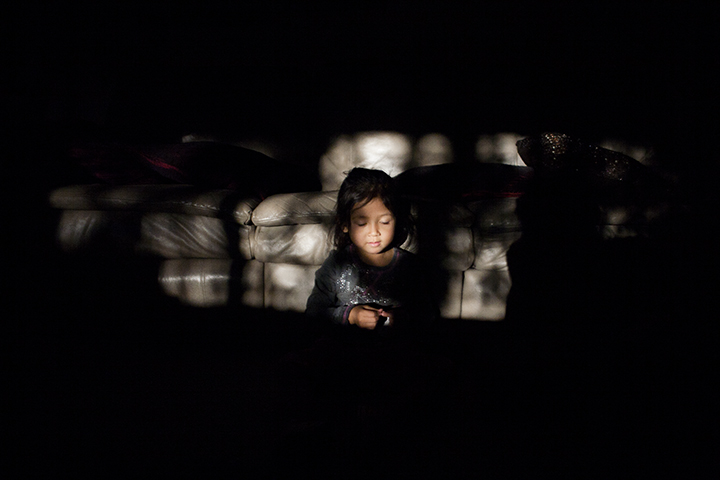
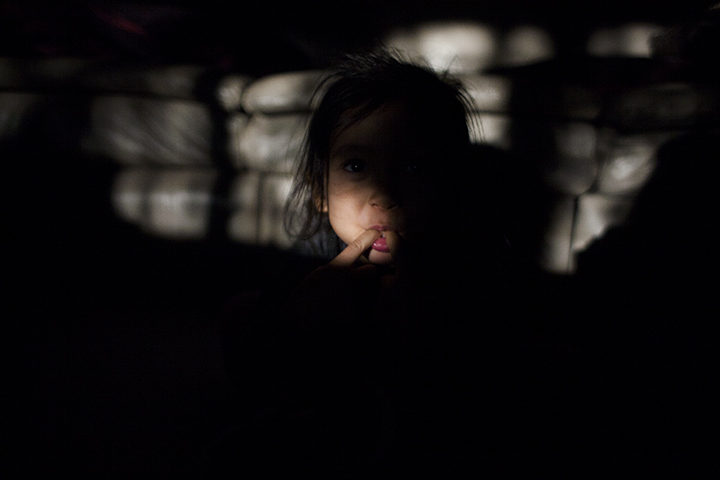
What I’ve enjoyed most since returning home is being able to spend time with my family. They’ve always been a constant point in my wanderings. Now there is Camille, my niece, whom I’m getting to know and she was an infant when I left to Africa for three years. I’m trying to document her as she grows up and today I shot some nice photographs of her playing in light. I’ll continue adding photographs of her as she grows up and I finally get to see it.


Erin and Andres and Alex
Posted on February 1, 2014
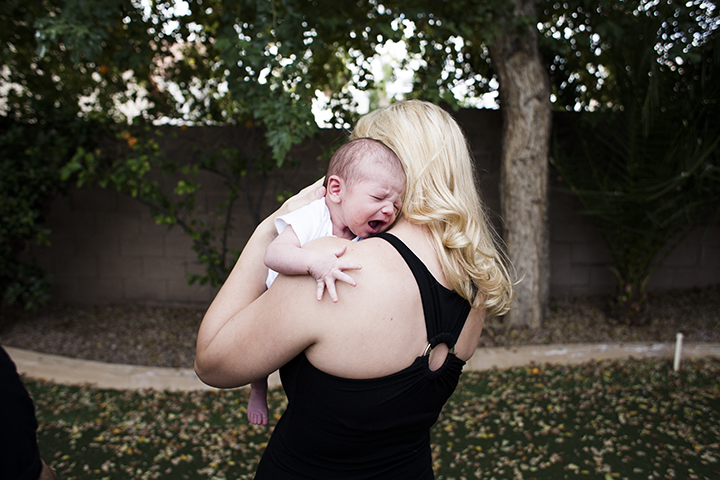
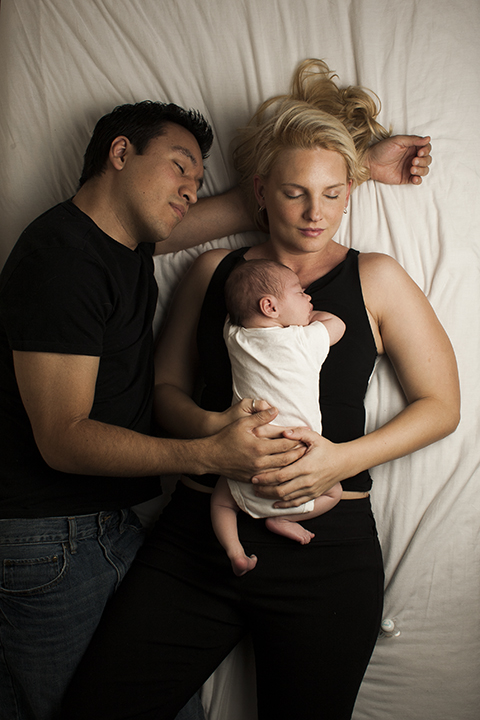
I photographed Erin and Andres when Erin was eight months pregnant. Now their beautiful son, Alexander, is one month old. We set up one studio light, but then utilized natural light for the other photographs.


Our Arizonan Colombian’s Christmas Eve
Posted on December 25, 2013
This was my first Christmas Eve celebration in three years! It was wonderful to be surrounded by family and getting the chance to eat ajiaco, fried cassava, and spicy Colombian salsa ahi. Nothing says Christmas like avocados y alcaparras in our family and it feels wonderful to be back home with them in Arizona.
 Deanna Dent