Sudan in some random portraits
Posted on December 16, 2013
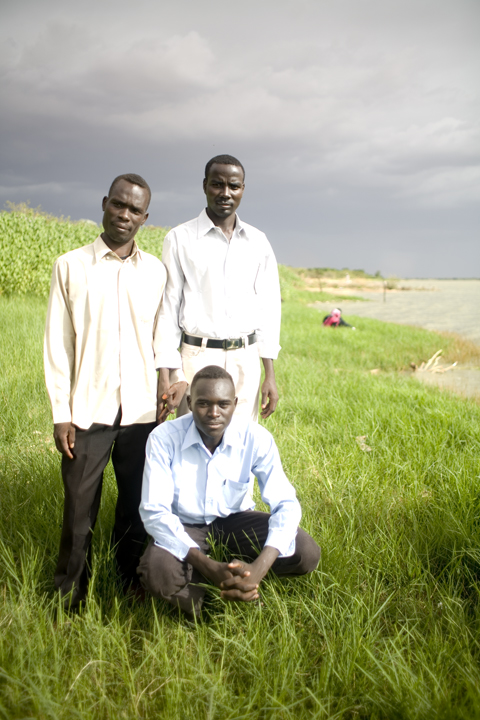
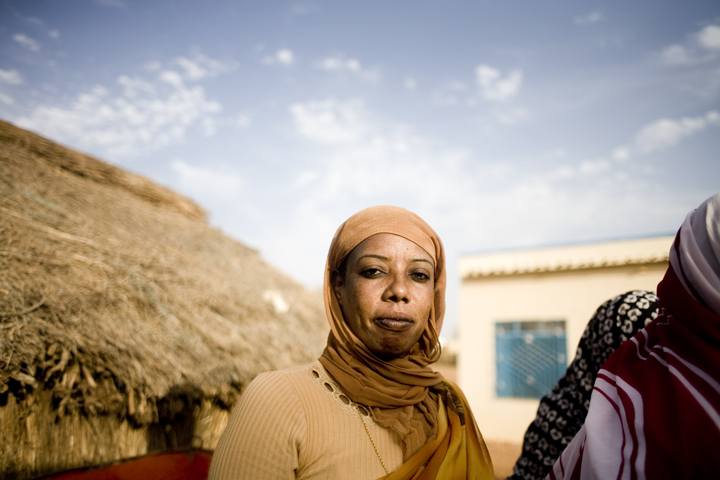
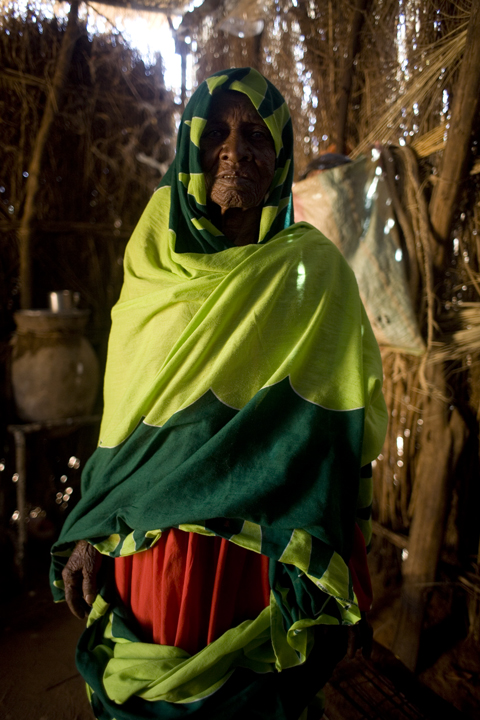
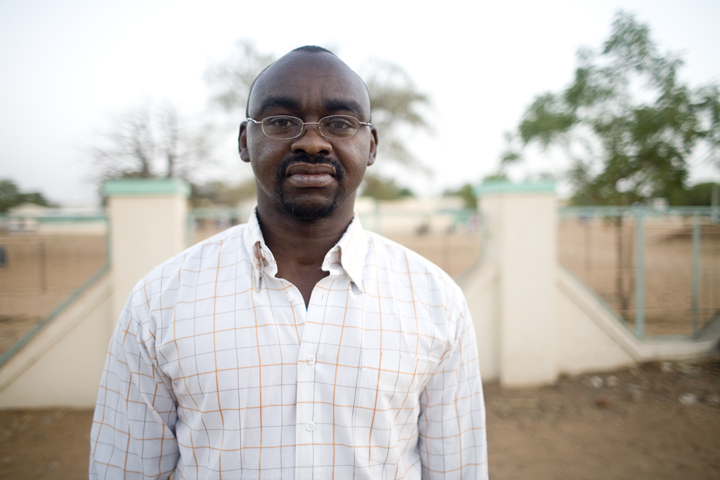
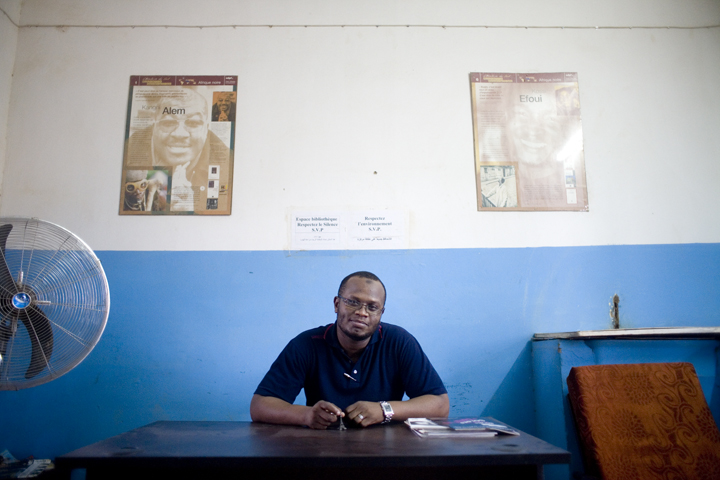
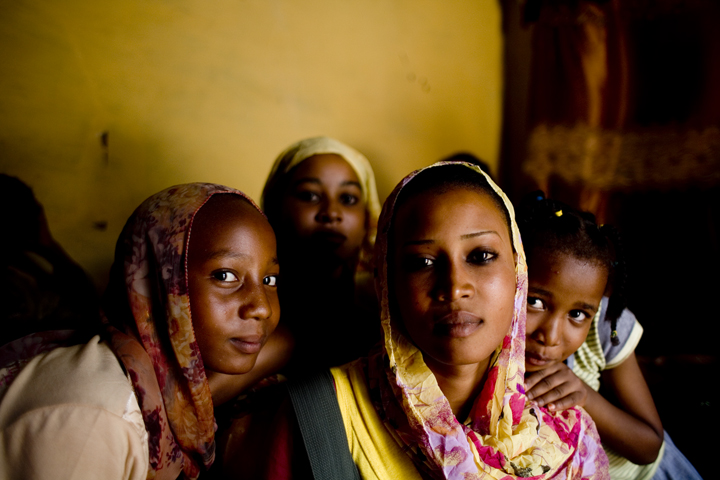
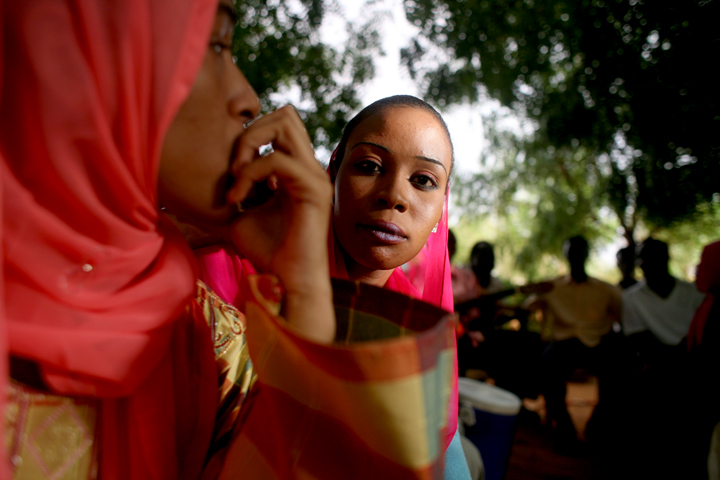
I was recently thinking about some of my good friends in Sudan. I spent 10 months in El Obeid teaching English and shooting photos. I made some amazing friends, some truly amazing people, who took care of me and became my family. It is, by far, one of the best places I have ever visited. I hope you enjoy these photographs and if you are ever able to visit this amazing place you must go. If you click on “Sudan” below it will take you to to some of the posts from the time I was there and you can click here to hear some great Sudanese music.






Erin and Andres Pregnancy Photos
Posted on December 13, 2013
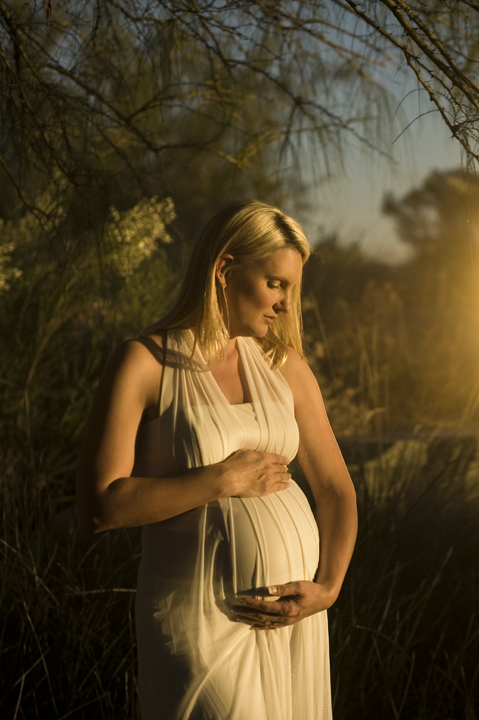
I recently shot some photos of my friend Erin and her husband Andres to document their pregnancy. We chose to photograph at the Gilbert Riparian Institute in Gilbert, Ariz. The light was beautiful and Erin was a wonderful subject to photograph.


Ethiopia and Reaching Home
Posted on December 9, 2013

After finishing 27 months in Zambia and wrapping up my Peace Corps service. I spent a short week in Nairobi visiting an old Sudanese friend and then met another Peace Corps volunteer in Ethiopia to travel around for one month. I followed this with more traveling, but I’ve been home in Phoenix, Ariz. since October. I’m now settled back home and getting ready to work and live in the great Southwest of the United States of America.
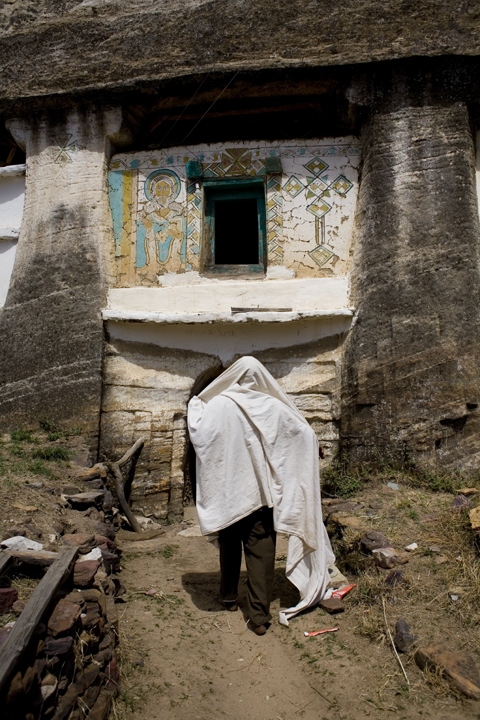
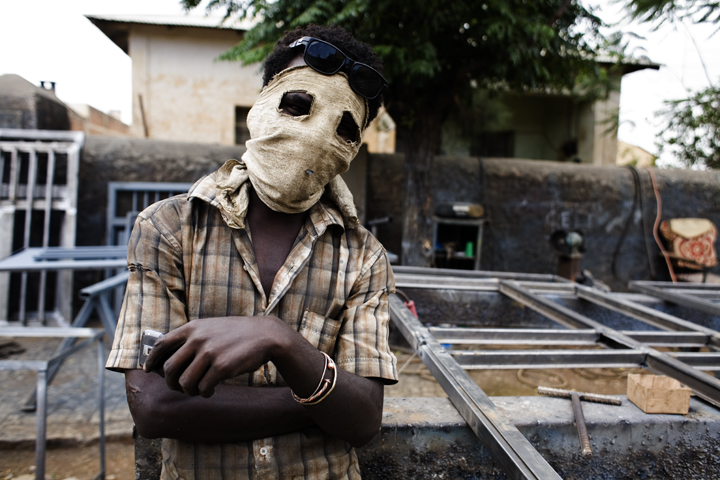
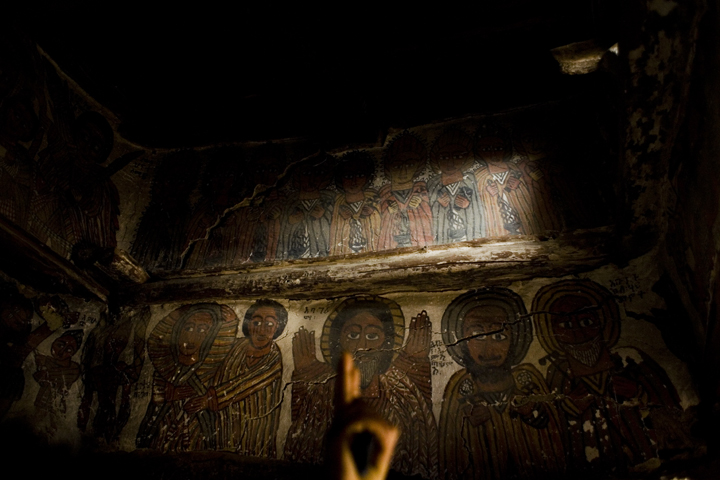
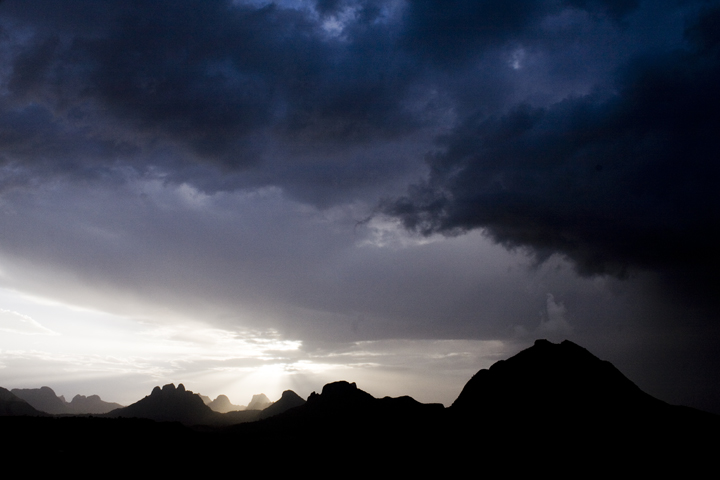
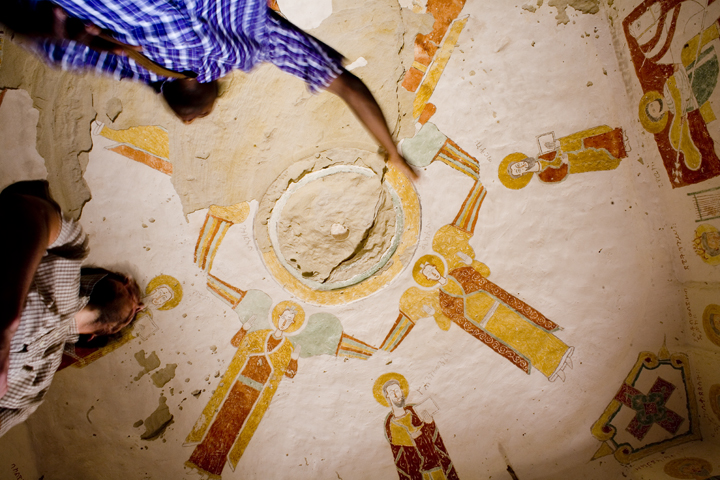
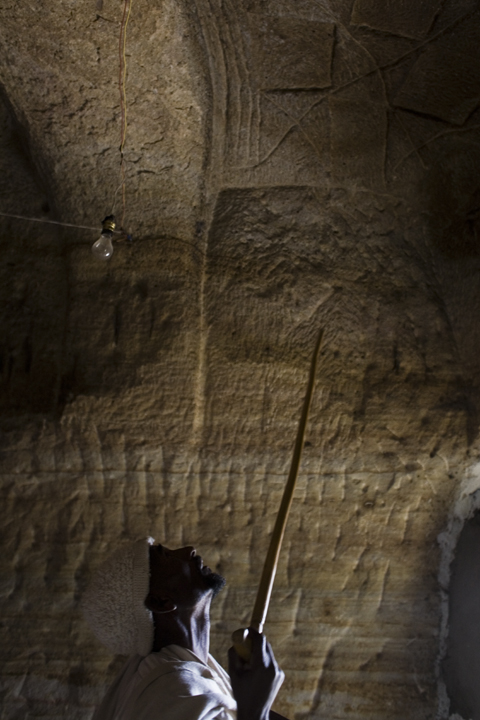
Below are some photographs of Tigray and the area’s rock hewn churches. The area is stunning, a landscape without one area uncultivated or managed for livestock. There are mountains and hidden in the heights are small entrances to carved churches. I’ve only included a few photographs in this post, which regardless couldn’t show the true beauty of the place. I hope to add more posts from Ethiopia in the future.









End of Term and Malaria Season in the Village
Posted on April 27, 2013
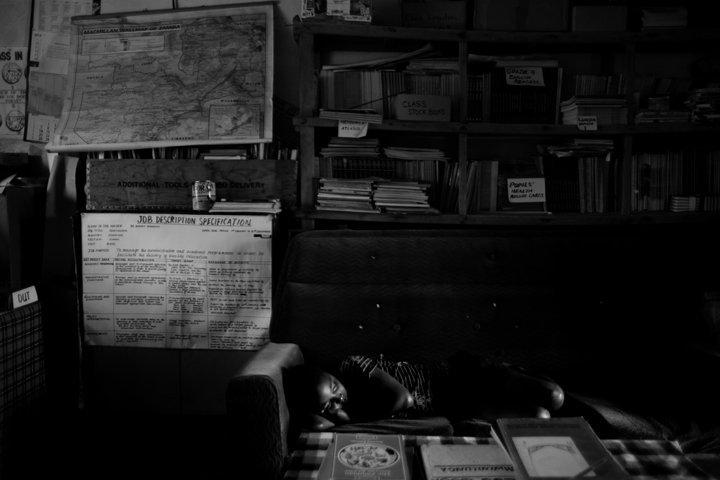

Madam Malichi, grade 3 teacher, gives a literacy test to her 50+ students at the end of term. One of her students, pictured first, is sick with malaria. He slept on the sofa for the whole day waiting to be escorted home by an older brother. Many times children come to school when they are ill with malaria rather than stay at home alone. During term one, rainy season, malaria rates are incredibly high. We lost two school pupils, a grade one student and grade seven student.
I often received the statement, “but in American you are lucky, because you have no mosquitoes there.” This was made by Zambians, but even most Americans don’t know that malaria was once a serious problem in United States. The CDC was founded in 1936 specifically to deal with malaria and a campaign begun in the late 1940’s introduced DDT and by late 1949 the US was declared malaria free. If you have time you should check out the PRI coverage of malaria in America. They even include a Times magazine advertisement saying “DDT is good for me!”
Interesting history lesson for us, but is it realistic at all for government in Zambia? The US campaign to eradicate malaria included draining swamps in the South and building sewers and storm drains in towns. People in mosquito prone areas of the South were very receptive to the idea of spraying inside homes and complied. I wonder if Zambia can manage these infrastructure changes and changing attitudes as currently people are not receptive to spraying inside of homes.
Around 2006 Zambia announced a massive program (with big funding from Bill and Melinda Gates Foundation and other partners) to try to roll back malaria. Malaria Control and Evaluation Partnership in Africa (MACEPA) has the ambitious goal of rolling back malaria infections by 75% in Zambia. It would be interesting to evaluate how successful this campaign has been.
Kuomboka Ceremony 2013
Posted on April 25, 2013
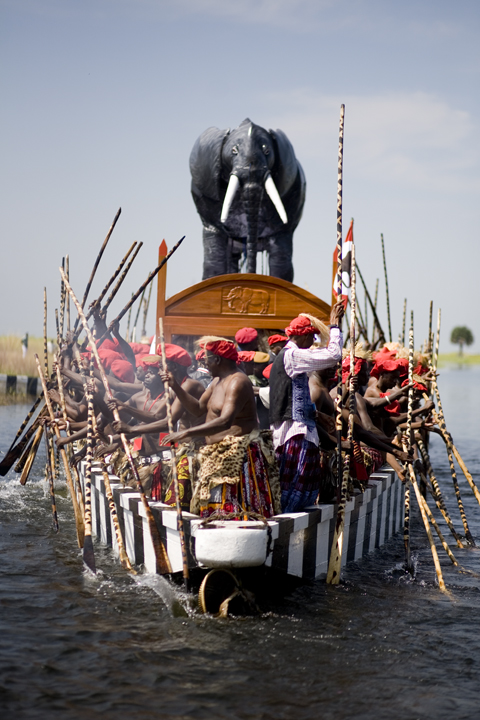
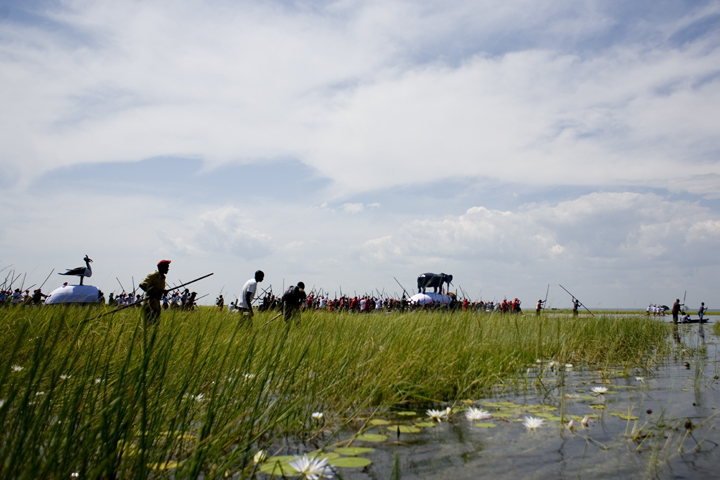
Kuomboka ceremony is most likely the best known traditional ceremony in Zambia. Kuomboka, meaning in Lozi language ‘to get out of water,’ happens whenever the Litunga, king of the Lozi people, shifts from his compound at Lealui on the Barotse flood plain for higher ground at Limulunga.
We had a chance to see the first ceremony in two years, the 2012 Kuomboka being canceled due to low rain and political motivations. Relations between Zambia’s ruling government and the Lozi people have always been tense and in 2011 then president Rupiah Banda refused to attend the ceremony.
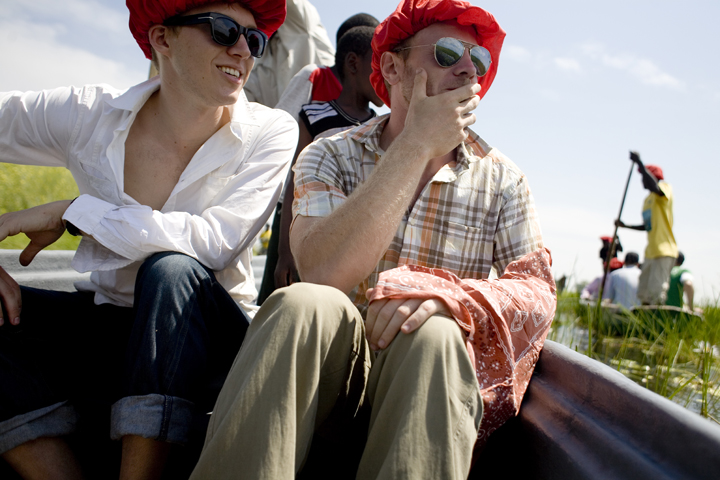
Luckily for us the ceremony was on for 2013 and we used a slow but steady paddle boat, which took about three hours, to cover the 17km from Mongu (the provincial capital of Western province) to the Litunga’s palace at Lealui. The ride is beautiful, if only a bit hot, passing through the shallow channels and the beginnings of a Chinese built road that one day will connect Kalabo to the rest of Zambia.
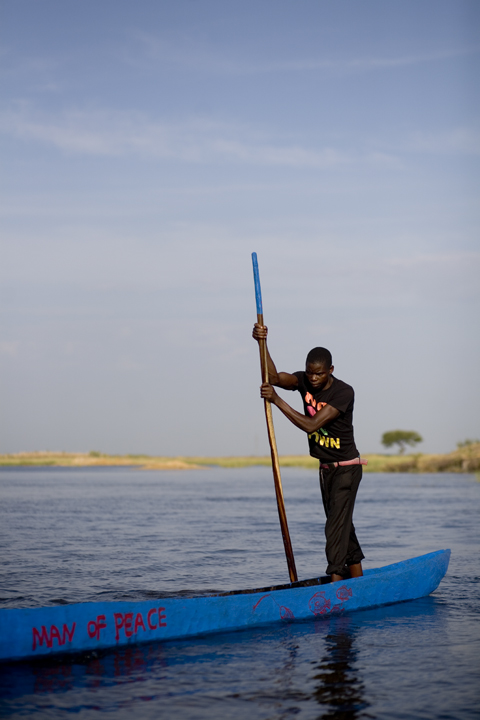


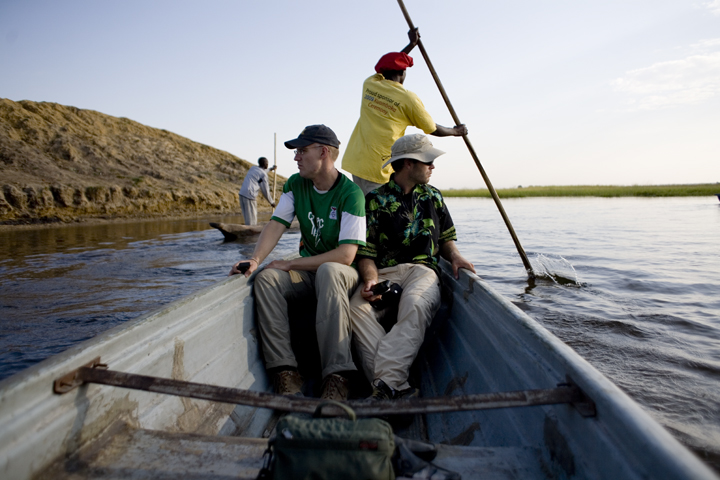
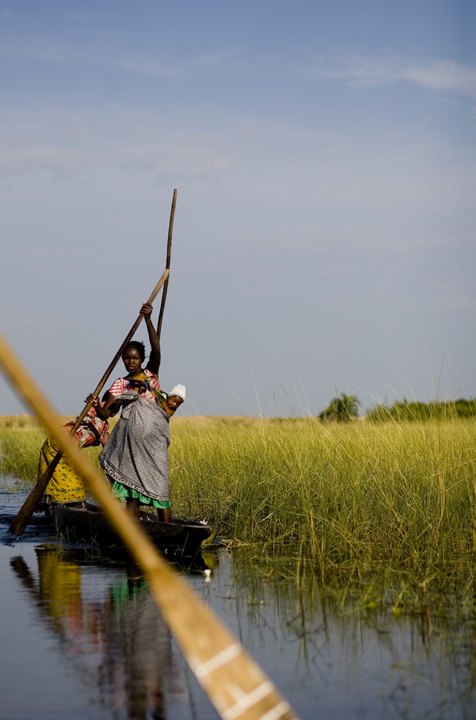
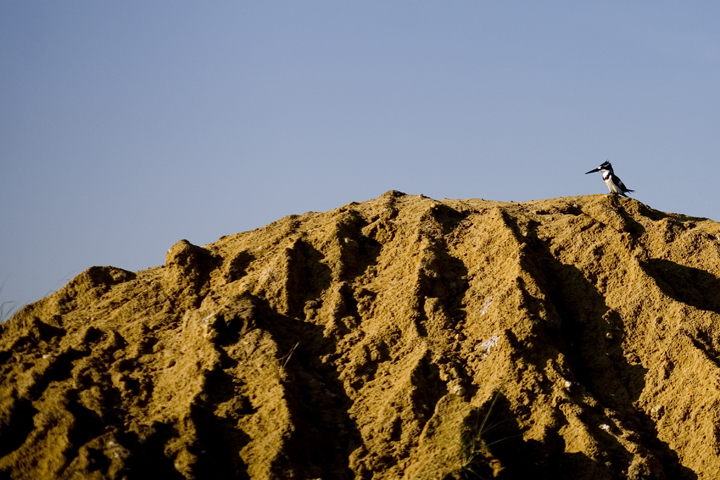
As we passed through the flood plain we saw many Lozi villages, all temporary thatch/mud structures which are simply packed up and moved on dugout canoes as water levels rise. There were a variety of birds, pied kingfishers, cattle egrets and of course even village chickens.
We arrived at Lealui in time to see the procession of the Litunga to his boat, preceded by his guns, stool, instruments and finally himself accompanied by Zambian vice president Guy Scott. Once the Litunga was aboard a fire is lit and drums begin to play. Scouts head out on two boats navigating the channel for the far larger Litunga’s boat. Members of the royal family work together to paddle/push the massive boat out, one can recognize it by the elephant atop the cabin (whose ears can be flapped up and down as well), his boat is followed by the queen’s which has what some say is a cattle egret atop it, though it looks nothing like a cattle egret.

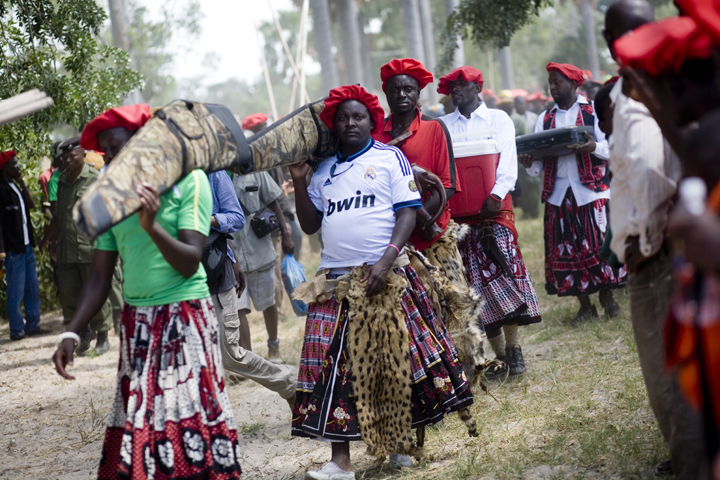


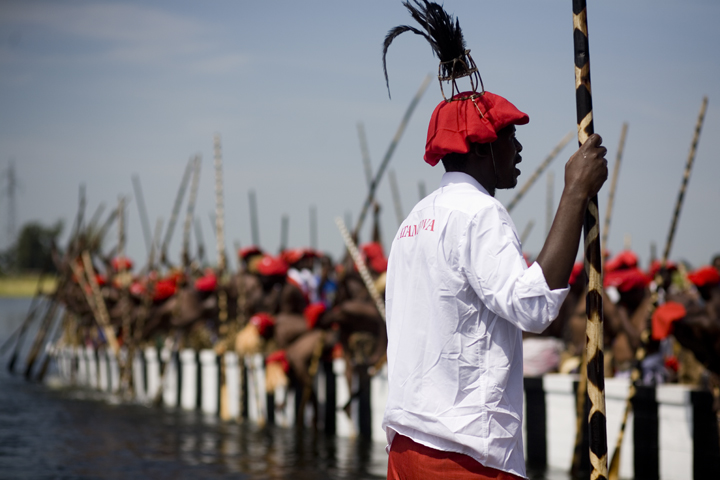
As the boat travels, Lozis in dugout canoes paddle alongside and even dance and sing. When the boat finally reaches Limilunga the Litunga emerges in his ‘uniform’ and the party continues. We failed to reach Limilunga, the six hours on a paddle boat in the sun sapped our energy so we took a break to braii. Though we did get a chance to enjoy the Litunga as he passed by with his entire entourage.
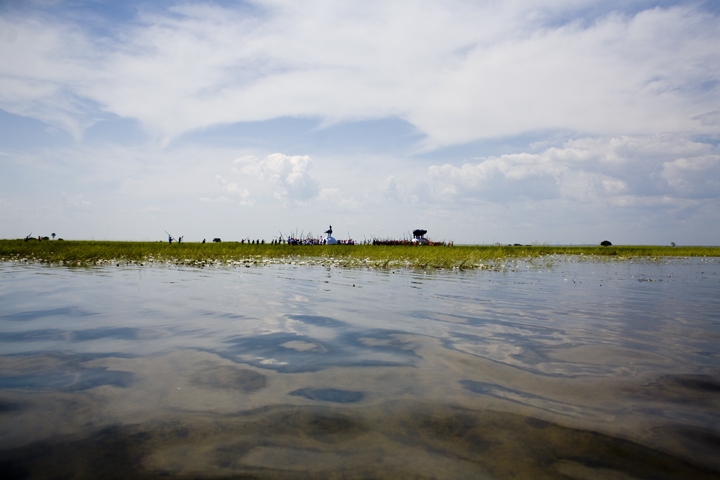

Doubled
Posted on January 14, 2013
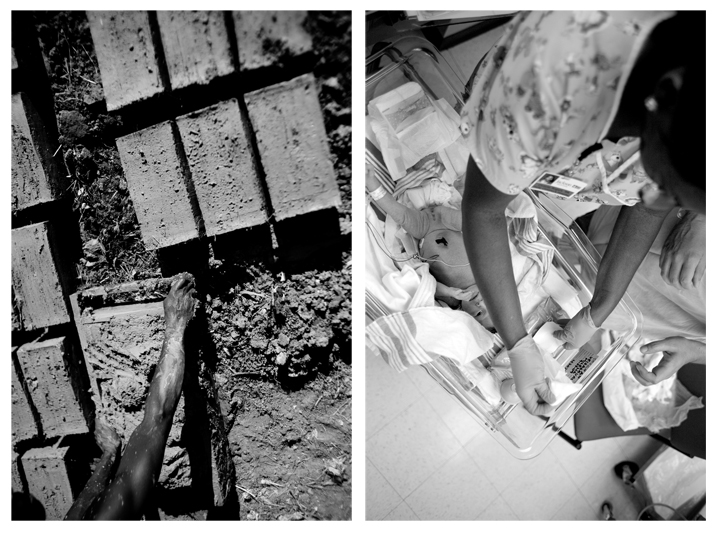
I made these a while back, although one includes a photograph from Zambia. I’d like to continue these, but I’d figure I should just put them up.


Namibia
Posted on January 13, 2013
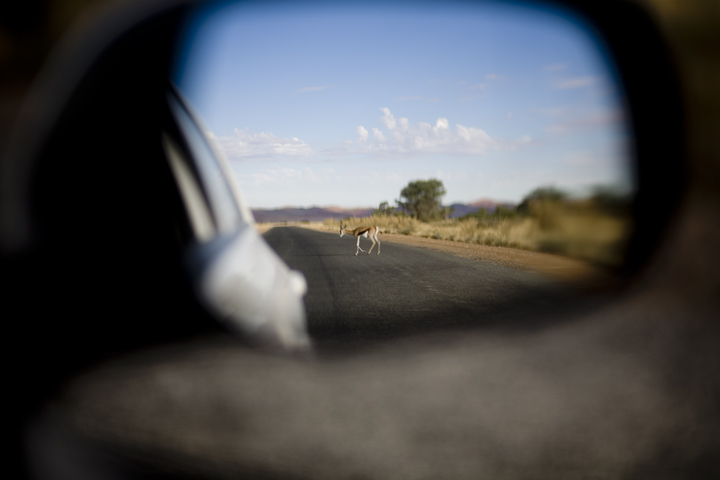
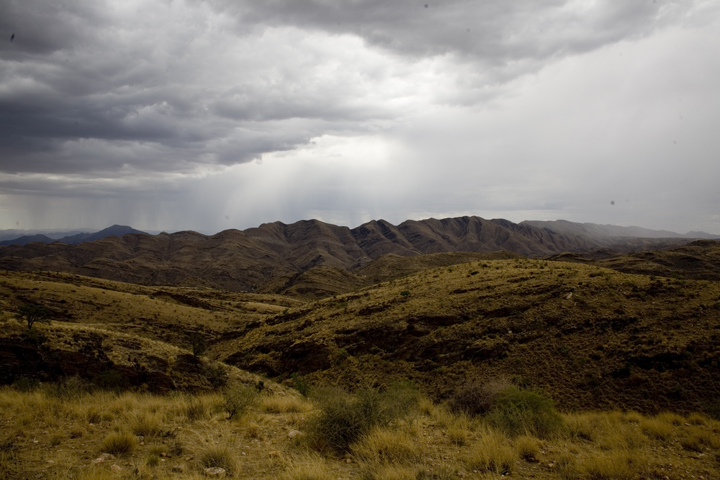
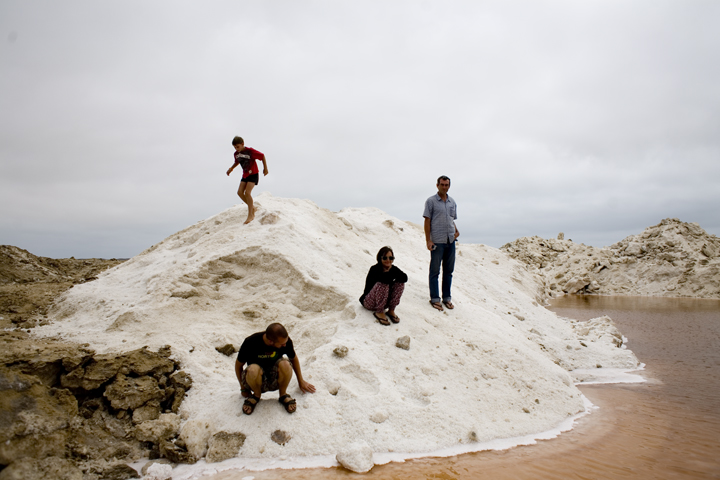
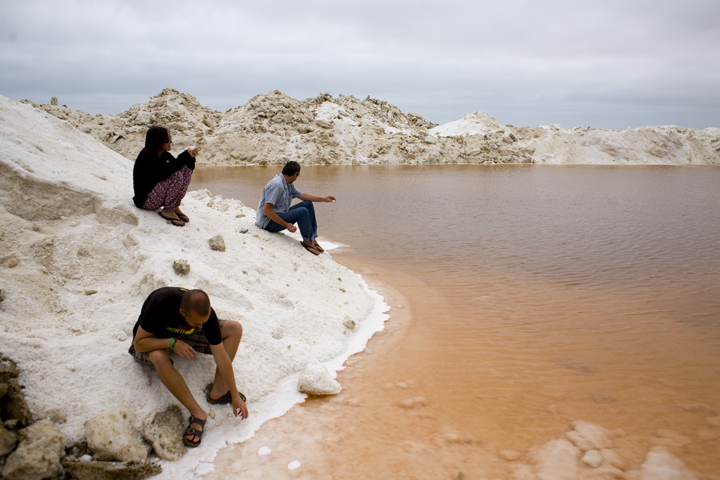
I recently traveled with some fellow Peace Corps volunteers through the vast and deserted expanse of Namibia. Each time we drove through a town you had the eerie feeling that is was abandoned. So different from Zambia which is bursting from the seams with people and children.

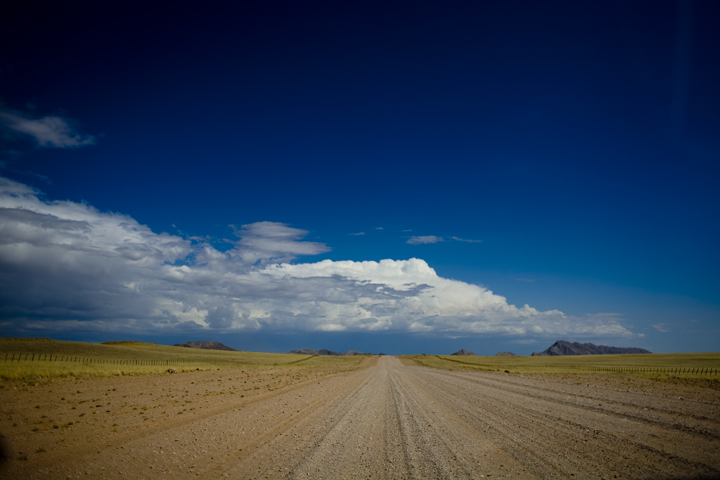
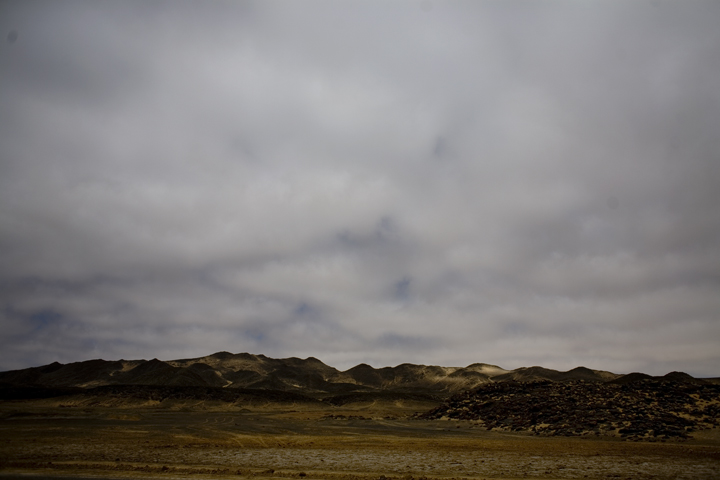
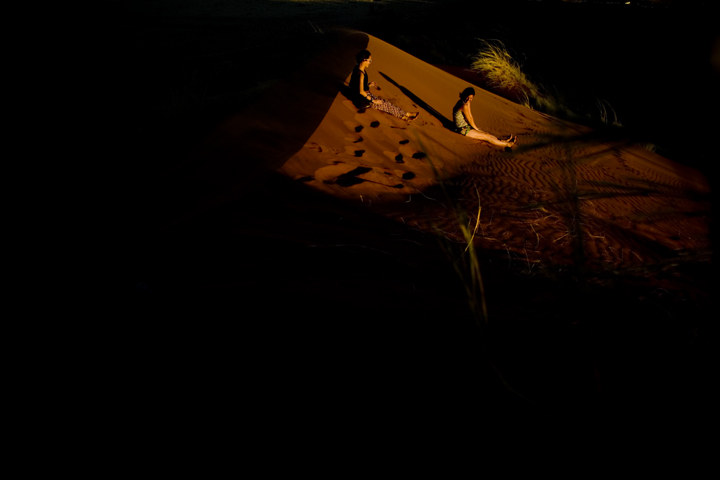
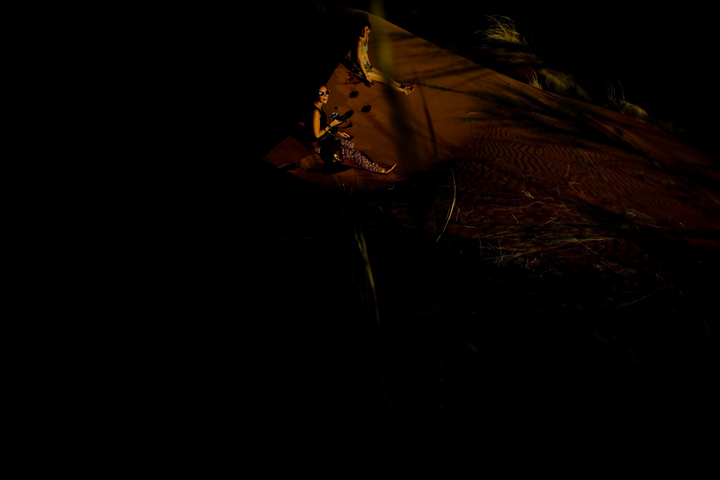
We came in by Intercape Bus from Livingstone, Zambia to Windhoek, Namibia and it took nearly 15 hours. After reaching Windhoek we immediately rented a car and took off to Sousselvei. Everyone has probably seen the area if they’ve ever watched some of the 20+ movies that have scenes shot in Namibia.
Sousselvei is known for its’ massive sand dunes and the dry and dead trees surrounding them. The area doesn’t look real and consistenly you find yourself wondering about the reality of this area? Are things alive as you pass one dead tree after another but you’re constantly reminded that things are alive as springbok or oryx you pass by the roadside.
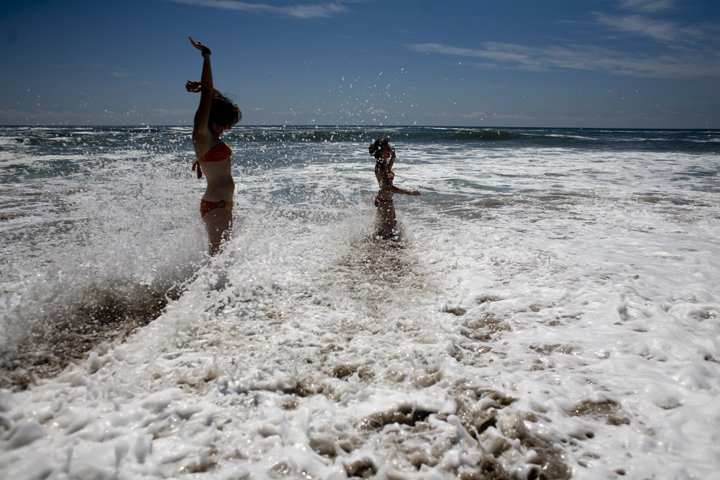
After Sousselvei, just one short night visit, we headed to the coast. We drove by dirt roads all the way to Walvis Bay and then by tarmac to Swakopmund. The area was beautiful and a popular vacation area for Namibians, Germans and South Africans especially during the holidays. We enjoyed the beach and were knocked down by the outrageous waves.
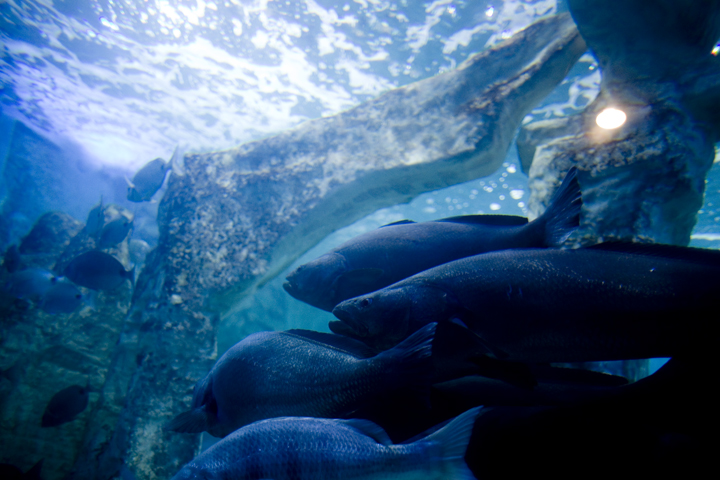

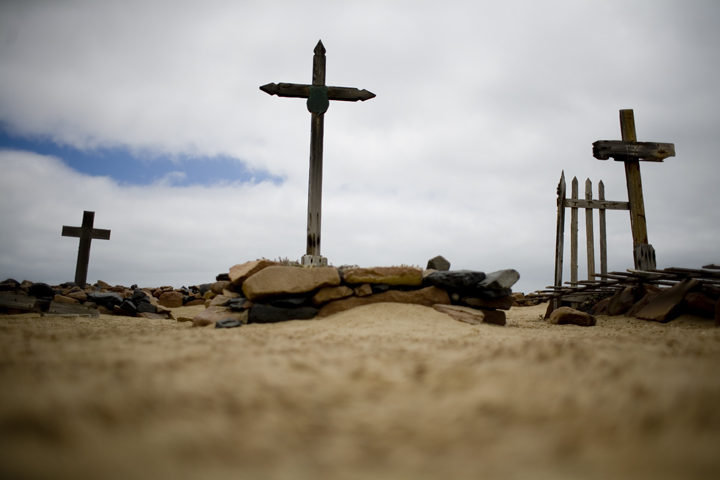
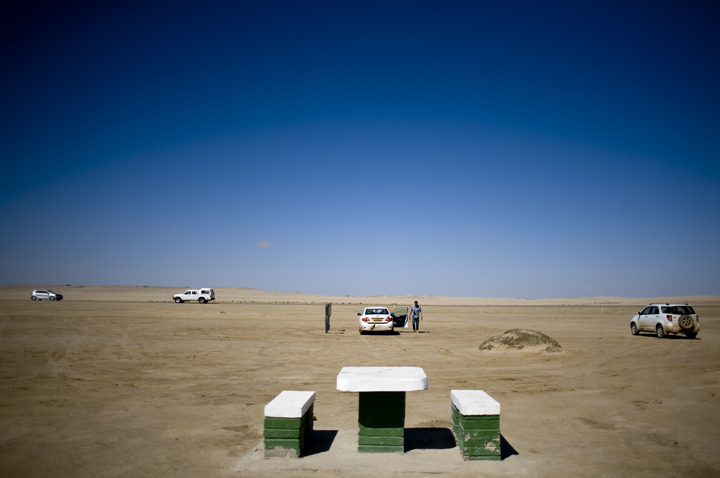
On our way to the Northern interior and Etosha National Park (100 years old) we drove through a small chunk of the Skeleton Coast.
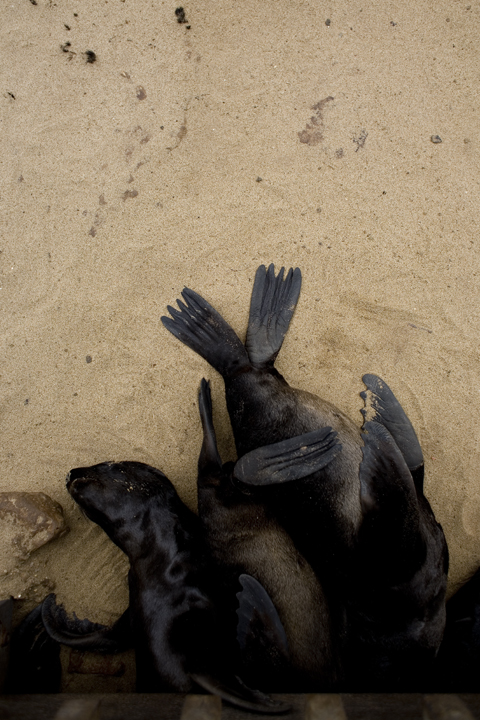
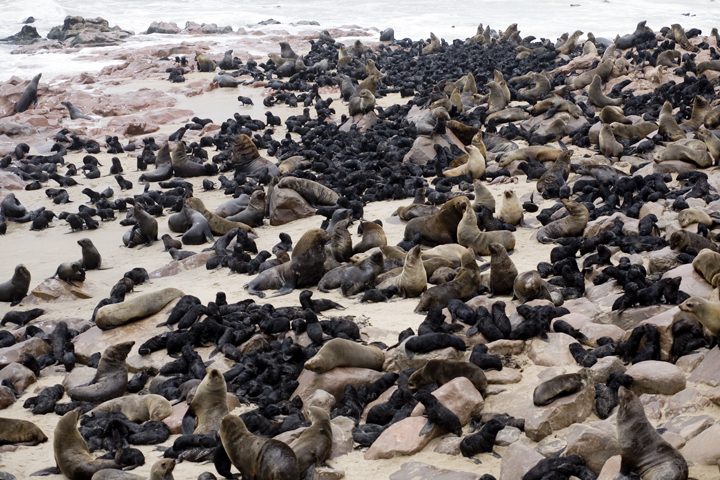
The coast is known for its’ high density of shipwrecks and low survival rates. You really need a 4×4 vehicle and a GPS to truly see the bulk of the wrecks but we did get to go near one. Also part way up on the coast we saw Cape Cross where thousands of seals come to mate and rear their young until they are large enough to fend for themselves. The smell was atrocious and the sound obscenely loud but so cool to see that many seals together. The pups also don’t wander with the mother, they just seem to congregate together.
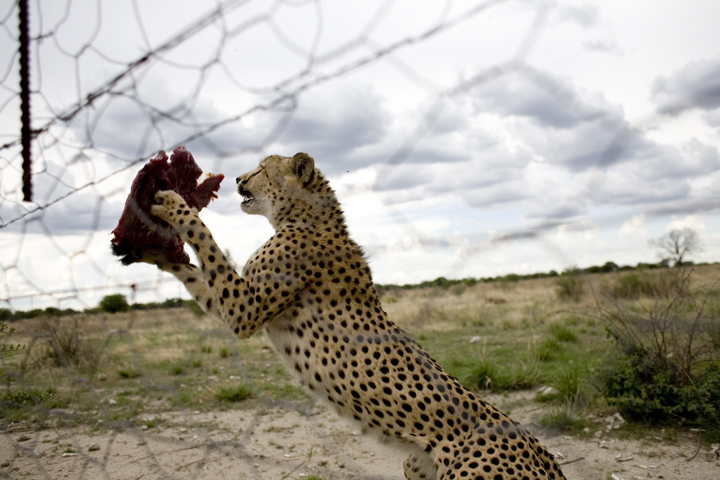
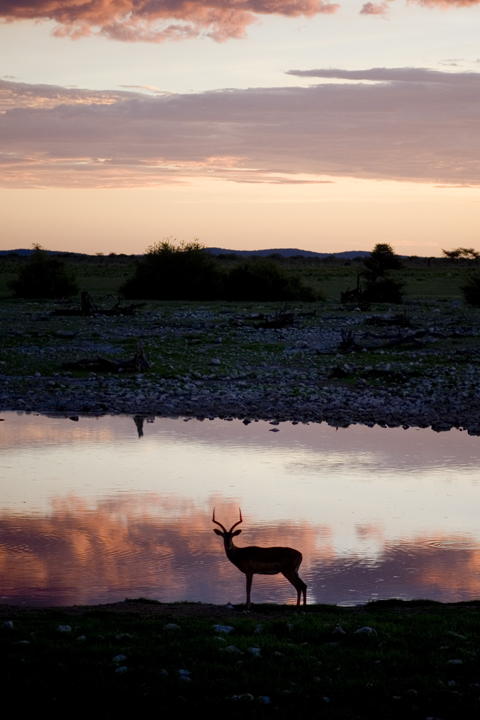
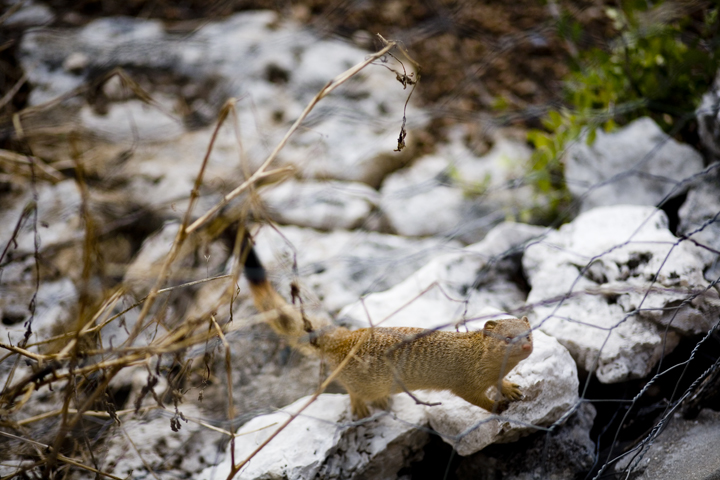
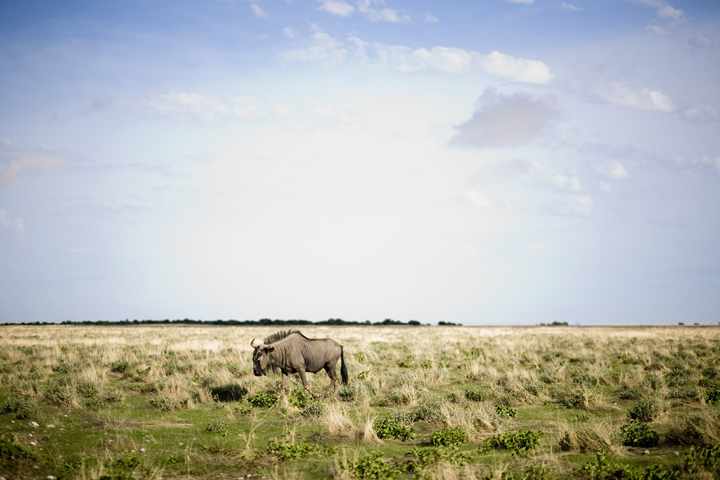
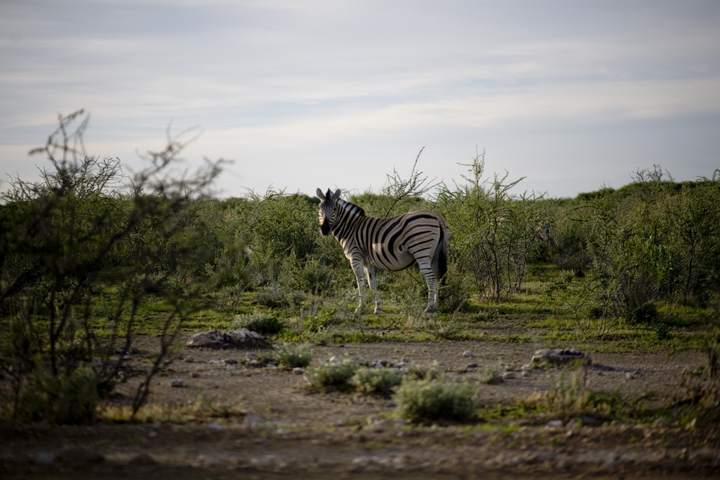
We took off making it to Etosha two days later. The park was impressive, they even maintain a large water hole just five minutes from the camping area and animals are constantly coming to drink. Nearly any time of day you can find huge herds of animals and even lone rhinos and lions.


My House
Posted on November 8, 2012
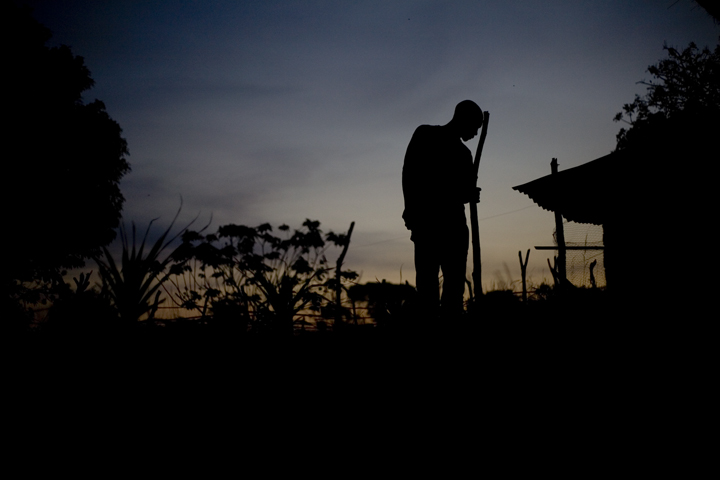
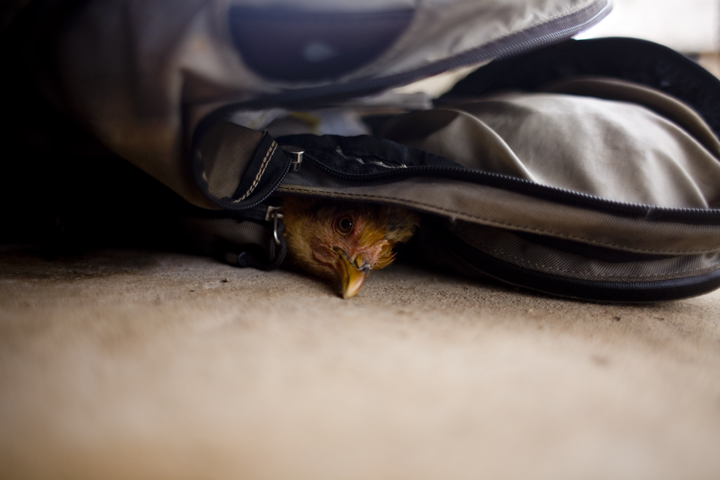
Sunset at my house, Solomon is the son of one of my teachers and he is building a fence for my garden. It should be done by the time I get back. There is also a picture of my kitchen that is now sealed up and a chicken I transport in my backpack.


Mujila Farms Training – Composting demo
Posted on November 3, 2012
A few weeks ago we organized a livestock training at Mujila Falls Farm. It involved about 13 volunteers and 14 community members learning about livestock and the integration of those animals in small scale farms.
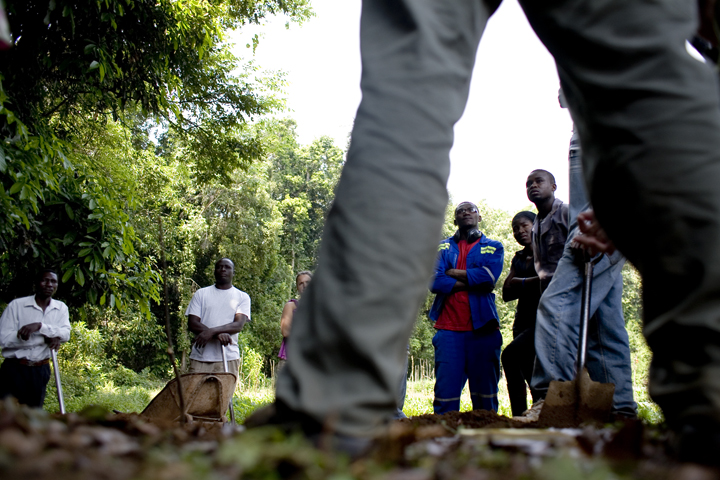
We did a lot of different activities like butchering a pig, skinning a rabbit, composting and much more. These photographs are of the composting demo were we had the community members and peace corps volunteers build a compost pile. The session was taught by Larry Maurin and ended with a tour of Paul’s garden which included strawberries, black berries, comfrey and swiss chard.
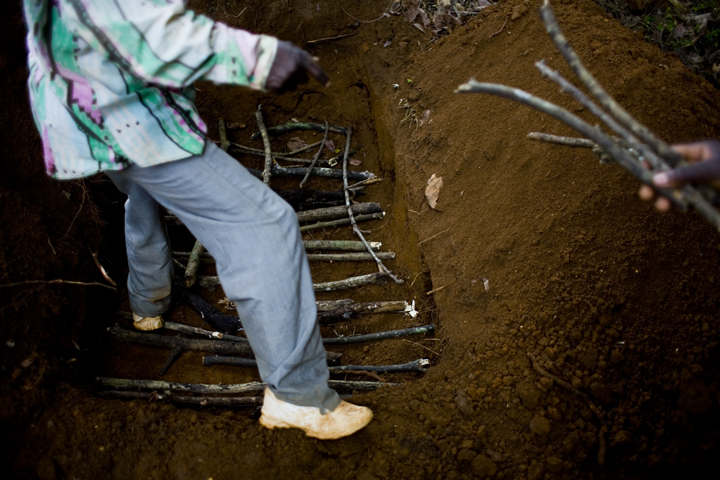
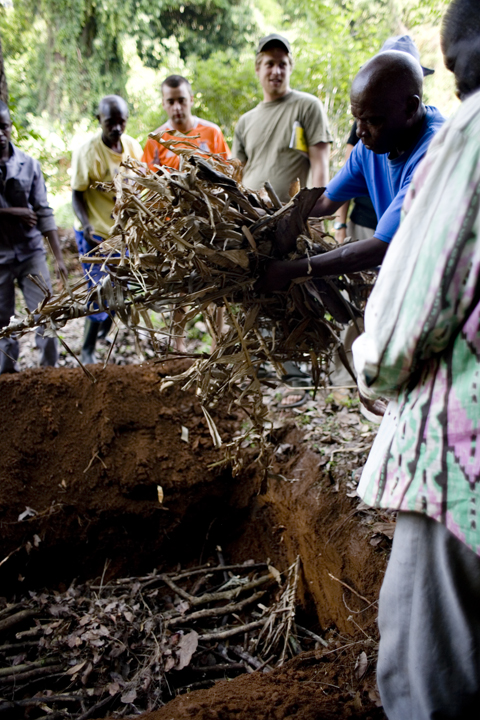
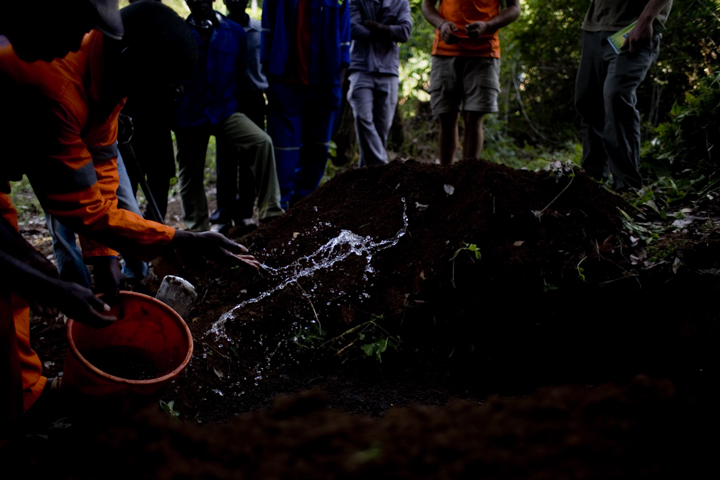
The compost is a mixture of greens, browns and manure over a base pile of sticks. The sticks, shown below, provide air flow in the pile and over time degrade into the manure. Over each layer we sprinkle water on the manure to keep the pile moist.


Updates
Posted on April 7, 2012

I just finished a long stretch in the village, maybe three months, just within my district and neighboring Ikelenge. No trips to Solwezi or Lusaka or to other provinces and by chance no internet (since it is out in our BOMA). Instead I spent a lot of time riding my bike around and visiting other volunteers, including a 270km ride around the province on some backroads to visit volunteers. I’d like to shoot for another long stretch, but that doesn’t seem likely as I’m getting a wonderful visit from my family and heading up to visit friends in a week or so. Tentatively trying to plan a trip for Ethiopia in December as well.
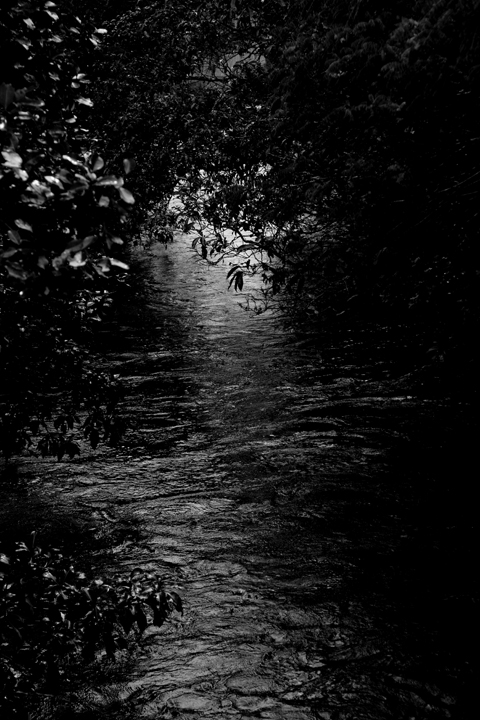
This was our route and a picture of the Chitunta plain and the Lewakela river where we crossed both on a random bush road.


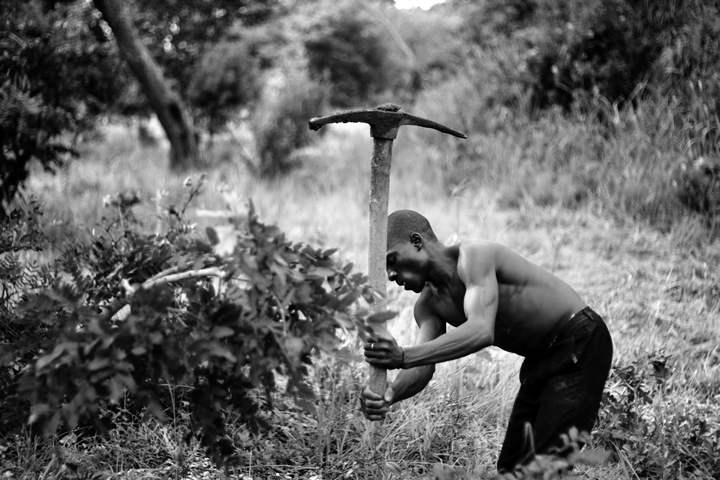
At one point in Matonchi, Ryan Kenny’s village, we came across a man who excavates rocks and crushes them to sell to construction workers in the BOMA.
When we arrived after the longest day of cycling (85km) at Kelondu Village to visit Larry Maurin his family had slaughtered a goat for us.

We spent one day visiting the rapids of the great Zambezi River at Kaleni Hill area and visiting volunteer, Kinsie Rayburn. Below is our friend Alex, from Lusaka, visiting literally and figuratively as far from home as he can in Zambia. Being back in the village was relaxing, I’m including a few random photos at the bottom that I’ve liked although the majority of my pictures lately have been on film that I can’t include . . .

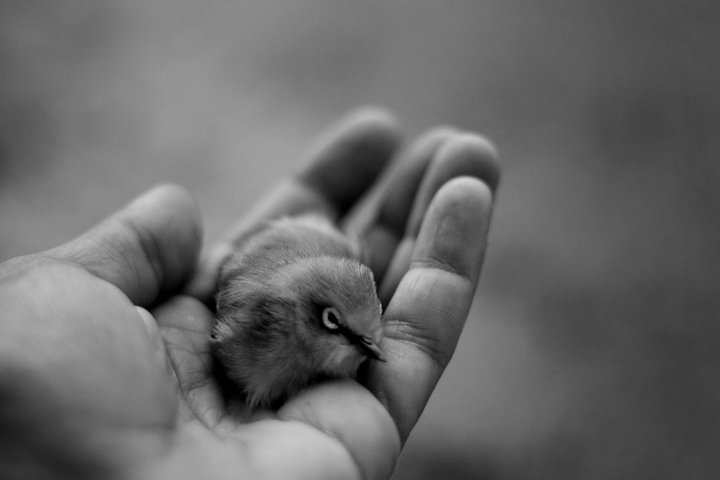
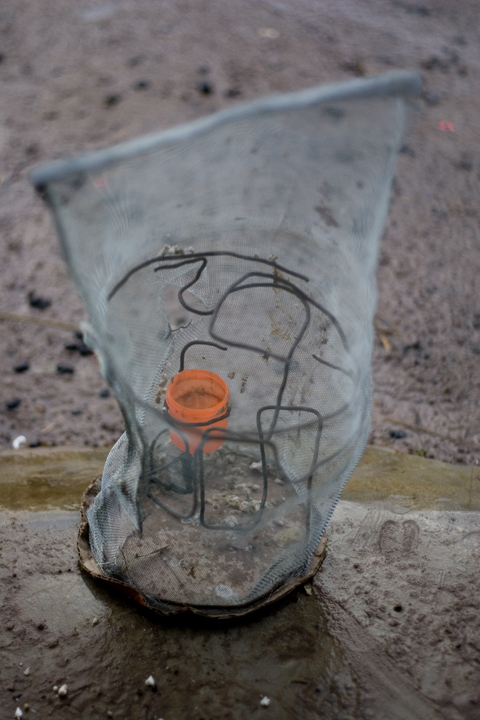
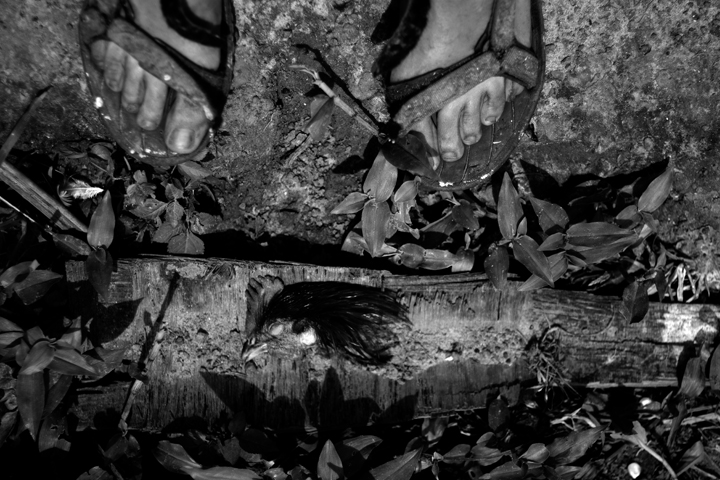
One of my PCV neighbor’s host brother cycled 15km to give me a small cage he had made with two little white eyed __________. I can only remember the first part of the name. They both died within thirty minutes of going into my house, which I only regret more for not releasing them straight off. The cage is pictured below.
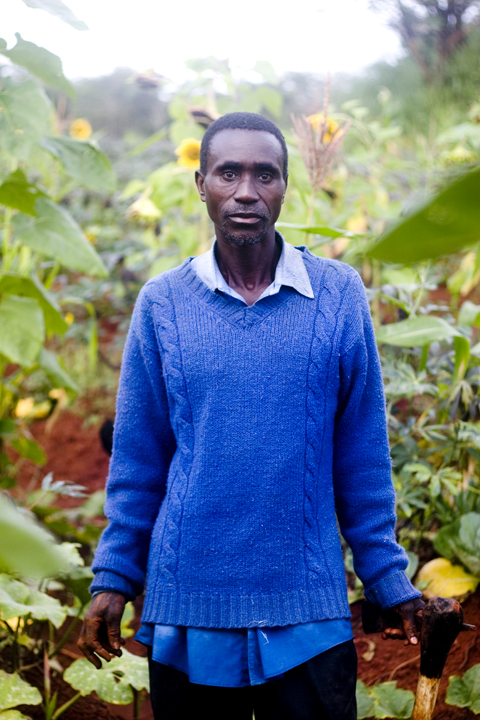
Mr. Kabwita, my counterpart, in his fields.
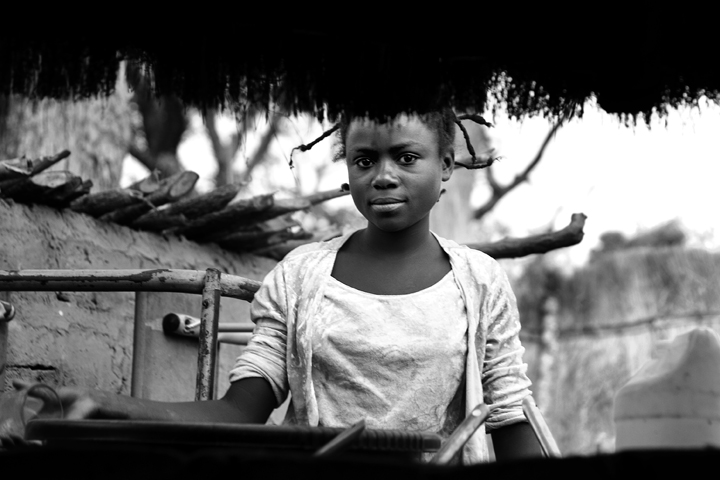
A little girl washing dishes for a teacher at Ikonga School in the bush of Ikelenge
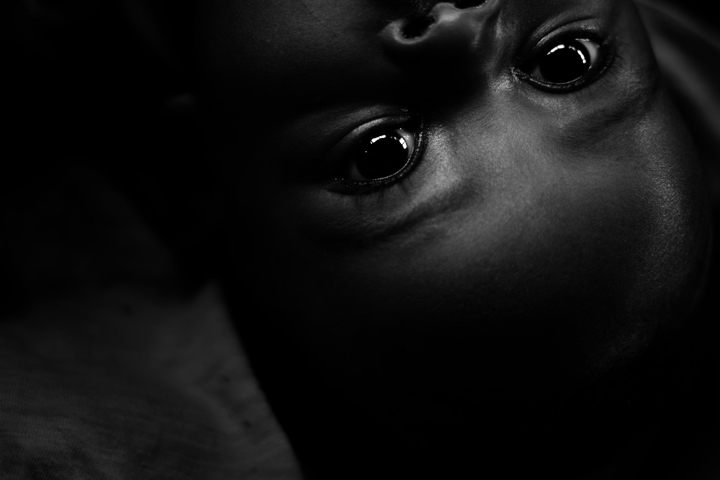
A random kid photograph . . . this was when he was in my lap and still too little to realize I am terrifying and to start crying.
Cassava leaves.

Lunch.
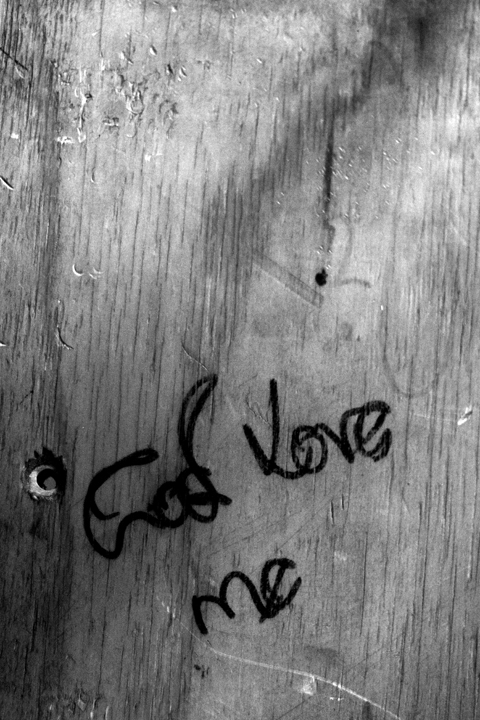
Scrawled on a chair at Mukinge Girls Secondary School. While it is most likely a mistake in grammar, I like the different meaning the phrase gets for omitting one ‘s’.
 Deanna Dent